What is elderberry good for? Small trials suggest black elderberry syrup and extracts may shorten flu and cold symptoms, though the studies are limited. Berries must be cooked before eating, and long-term daily safety is not established.
This guide follows elderberry from shrub to syrup and capsule, covering the evidence, the cooking step and a home method. It sits within the wider field of plant based wellness.
From plant to supplement
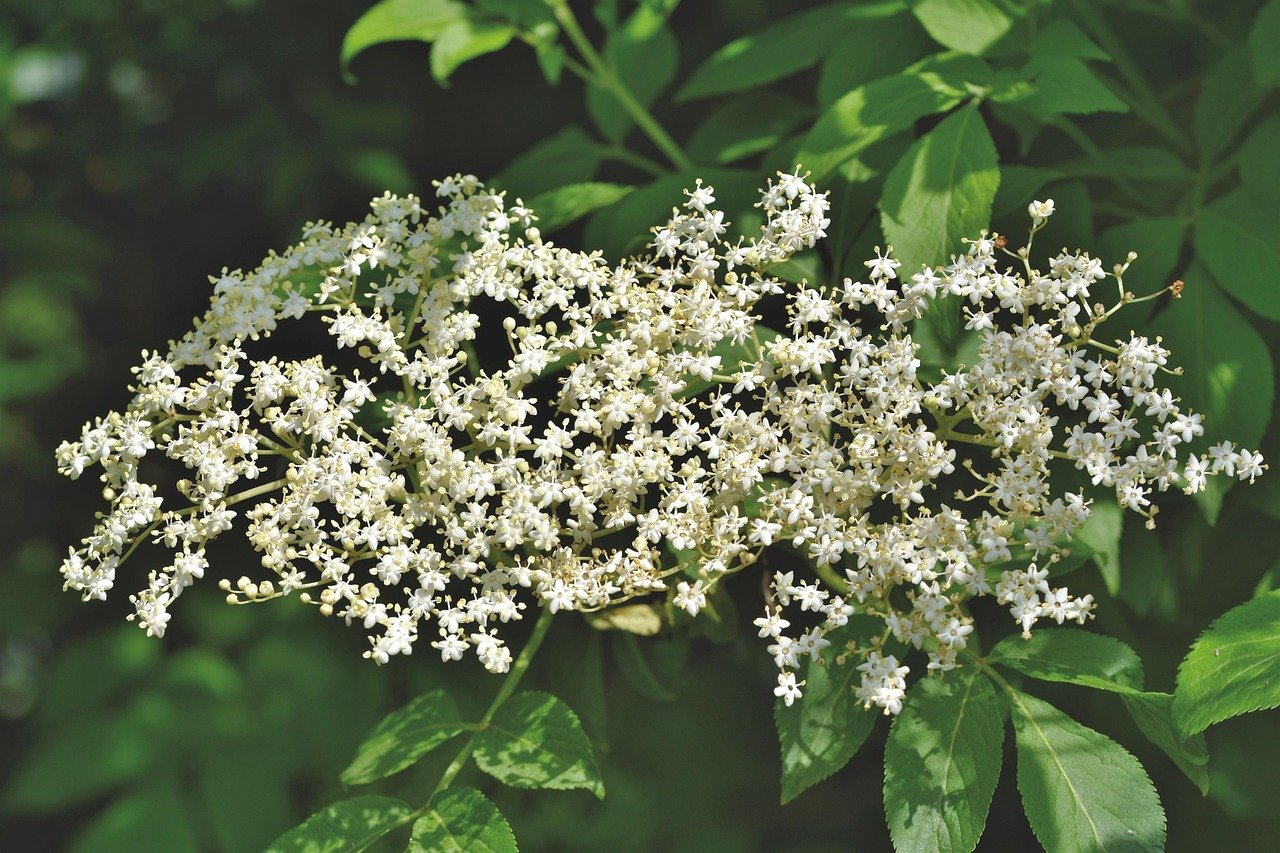
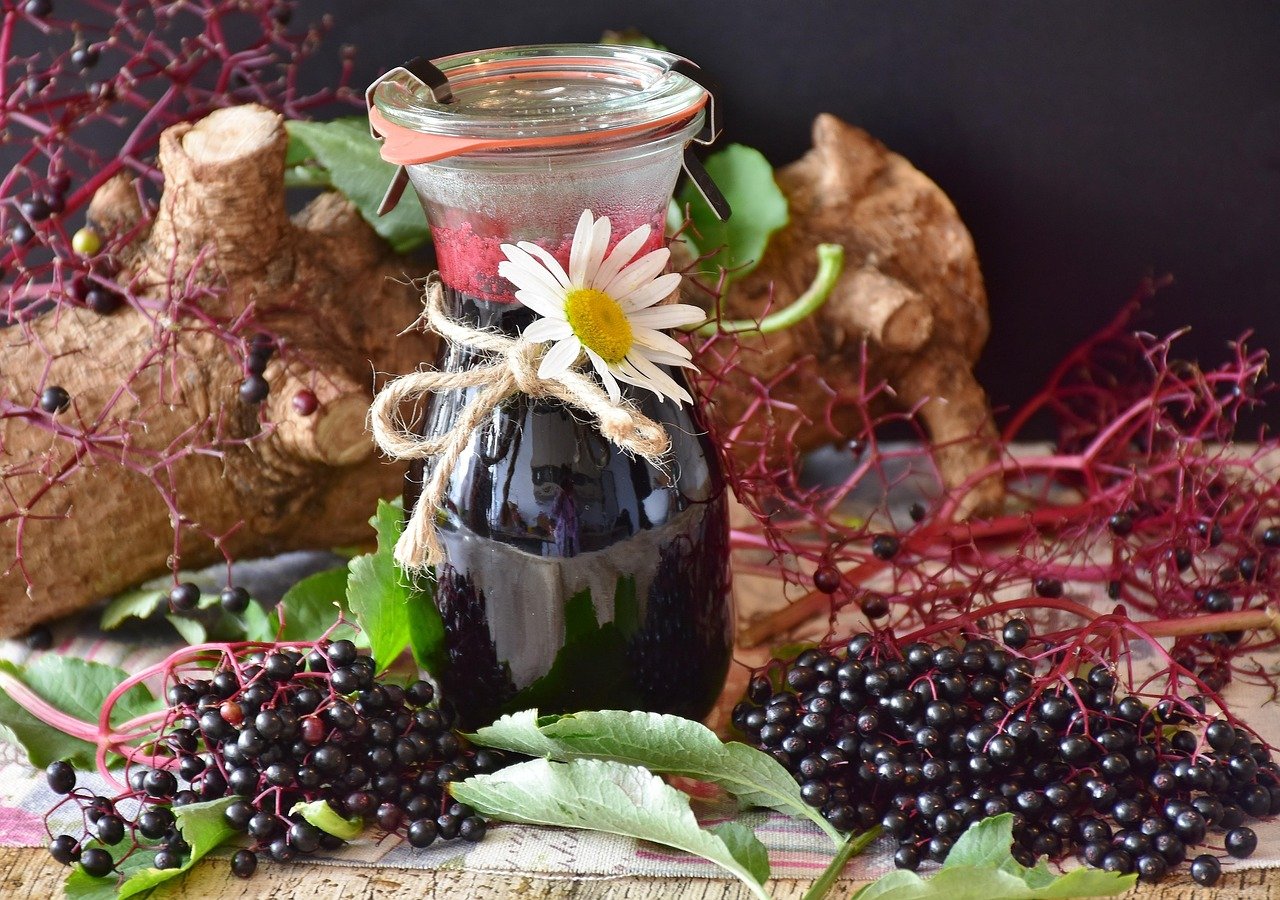
Black elderberry (Sambucus nigra) is a shrub or small tree that, according to Healthline’s nutrition overview, grows up to 30 ft (9 m) tall. Its flat-topped clusters of small white flowers give way to dark berries. Both parts are used in traditional preparations, but the berries are the main ingredient in modern syrups, gummies and capsules.
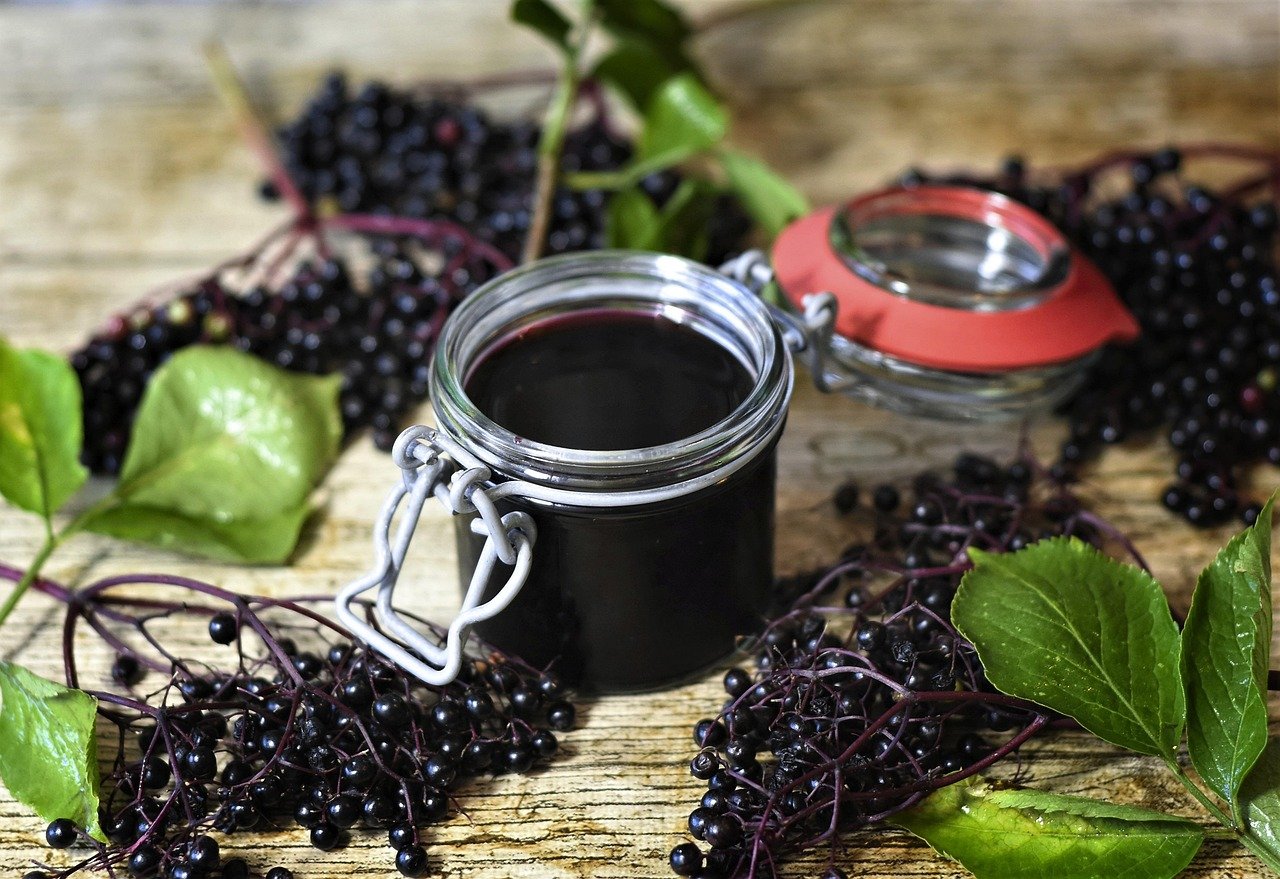
The dark black-purple colour comes from anthocyanins. Healthline describes these compounds as strong antioxidants with anti-inflammatory effects. That description explains much of the marketing around elderberry, but it is a statement about the compounds, not proof of a health outcome in people. Fresh berries are also an ordinary food: one cup (145 g) contains 106 calories, according to the same overview.
As a dietary supplement, elderberry usually arrives as syrup, capsules or similar concentrated products. The sections below separate what trials report from what the plant’s chemistry only suggests.
What research says elderberry is good for
The clearest signal is for respiratory illness, mainly influenza and colds. Healthline reports that black elderberry extracts and flower infusions have been shown to help reduce the severity and length of influenza. The trial figures below come from two public summaries.
| Trial | Participants | Form and dose | Reported result | Planning use |
|---|---|---|---|---|
| Influenza syrup study (2004) | 60 people | 15 mL syrup four times daily | Improvement in 2-4 days versus 7-8 days in the control group | Shows the syrup form and dose that was tested, not a general target |
| Influenza syrup trial | 60 patients | Syrup four times daily for 5 days | Relief about 4 days earlier than placebo | Suggests a short course was studied, so it says little about year-round use |
| Air travel trial | 312 air travellers | Elderberry extract | Less severe cold and flu symptoms and faster recovery than placebo | Relevant to people who want an option around travel, with the same caveats |
Figures are drawn from Healthline’s elderberry overview and Life Extension’s summary of elderberry benefits.
These are small studies, and Healthline notes that further large-scale studies are required to confirm the results. Treat elderberry as a possible symptom-shortening option for a respiratory illness, not as a treatment or a replacement for medical care. For other options people use during colds, see herbal remedies for cold and cough.
Claims the evidence does not support yet
Antioxidant content does not translate neatly into body effects. Healthline states that consuming elderberry in the diet has only a small effect on antioxidant status, and that protective effects in humans appear insignificant. It also notes that a direct reduction in heart attacks or other symptoms of heart disease has not yet been demonstrated. Anyone choosing elderberry for heart health or general antioxidant protection is relying on expectation rather than trial results.
Why elderberries must be cooked
Raw or unripe elderberries and other parts of the plant are poisonous and must be cooked, according to a nutrient guide on elderberry. That source says they contain cyanide-producing compounds, the cyanogenic glycosides, which cause nausea, vomiting and severe diarrhoea. It adds that cooking removes the toxin.
The practical rule is simple. Use only ripe berries, leave out leaves and other plant parts, and heat the berries until cooked before they are eaten or turned into syrup. Healthline also notes the berries are quite tart and need to be cooked to be eaten, and that cooked berries go into juice, jams, chutneys and pies. Cooking is therefore both the safety step and the normal way to prepare them.
Making elderberry syrup at home
Homemade syrup is a cooked-berry preparation, so the cooking step above is not optional. Healthline points out that there is little information about the safety or efficacy of homemade remedies. A home batch should be treated as a food preparation, not as a version of the products tested in trials.
Typical ingredients
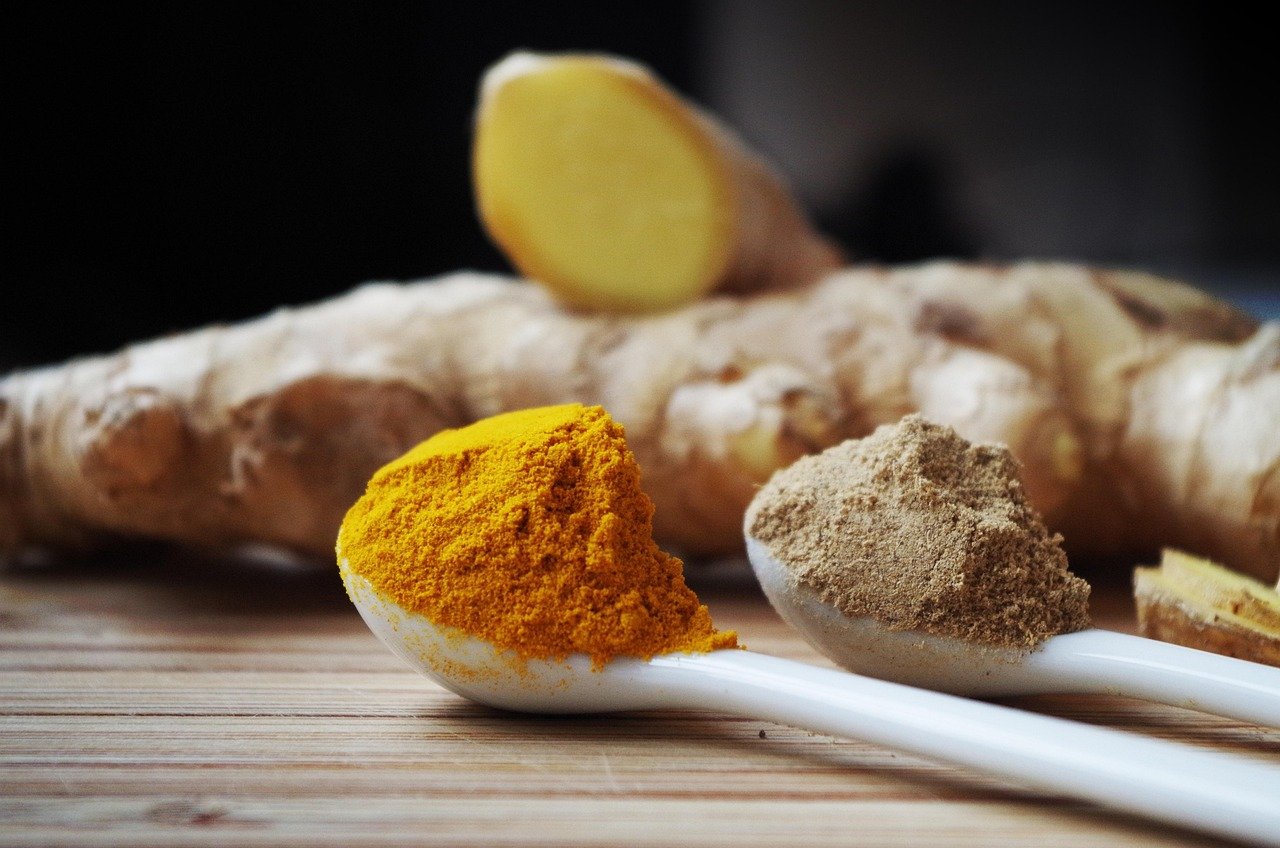
One producer describes its syrup as made from purified water, raw honey, elderberries, ginger, cinnamon and cloves, according to a syrup maker’s benefits page. That gives a recognisable base: berries, water, warming spices and honey as the sweetener. The same page says products containing honey should not be given to infants younger than 12 months.
Method and safety checkpoints
- Sort the fruit. Keep only ripe berries and discard unripe berries and other plant parts, since these are the poisonous material.
- Combine and heat. Put the berries in a pot with water and the spices, then heat until the berries are fully cooked.
- Strain. Separate the liquid from the cooked fruit.
- Sweeten. Stir in honey if the syrup is for adults and older children, and skip it for infants under 12 months.
Reputable public sources in this area do not give a standard simmer time, so judge doneness by the berries being thoroughly cooked and err towards longer heating rather than shorter. Only the cooking step is backed by safety evidence, so a homemade syrup should not be assumed to match the dose or effect seen in a trial.
Daily use, supplement forms and who should avoid them
Is daily use safe?
Long-term daily use has not been established as safe. The syrup trial described earlier tested a course of 5 days, and Healthline says larger studies are still needed. One vendor, Life Extension, recommends 600-720 mg daily for immune system support, but that is a company recommendation rather than a regulator-set dose. Short, occasional use during an illness has the closest link to the studied pattern. Anyone who wants to take it every day should discuss it with a clinician or pharmacist first.
Who should avoid it
Pregnant and breastfeeding people should ask a clinician before using elderberry, as should anyone taking medicines, according to the nutrient guide cited above. Life Extension adds that elderberry has not been studied in pregnant and lactating women. Infants under 12 months should not be given honey-containing syrup.
Reading a supplement label
Because syrups, capsules and other forms differ, the label is the deciding document. Check which part of the plant is used, what else is in the product (honey, for instance), and the serving size the maker states. Compare that with any amount mentioned in studies only as context, not as a target. People exploring other botanicals may also want to read what is ashwagandha.
Frequently asked questions
Does heating reduce elderberry’s antioxidant activity?
Healthline notes that processing, such as extraction, heating or juicing, can reduce antioxidant activity. Cooking is still required for safety, so the step should not be skipped to preserve antioxidants.
Does elderberry protect the heart?
No. Researchers have not yet shown that elderberry lowers heart attacks or other signs of heart disease, according to Healthline.
Are elderberry flowers used as well as berries?
Yes. Healthline reports that black elderberry extracts and flower infusions have been shown to help reduce the severity and length of influenza, though larger studies are still needed.