
Choosing between spirulina vs chlorella on a shelf comes down to processing and labels: chlorella’s tough cell wall must be cracked to be digestible, so check that first, then serving size, ingredients and independent testing.
The comparison below treats both algae as supplements to be judged product by product. It fits into the wider plant based wellness picture, where a label and a clinician’s advice matter more than a trend.
Criteria that decide the choice
A fair comparison of two algae supplements needs the same questions asked of each product. Work through them in this order, because an early failure usually settles the decision.
- Check processing. For chlorella, look for a statement that the cell wall has been cracked or broken. Without it, the main practical advantage of the product is in doubt.
- Read the ingredient list. A short list that names the alga and any capsule or tablet binders is easier to judge than a long blend with undisclosed amounts.
- Find the serving size. Compare products by the amount the label tells you to take, not by the weight of the tub or the number of tablets in the bottle.
- Look for testing. Independent testing reports, where a brand publishes them, say more about a batch than front-of-pack wording does.
- Weigh personal circumstances. Medical conditions, prescription medicines, pregnancy and breastfeeding all call for a conversation with a doctor or pharmacist before a new supplement starts.
Nutrient and health claims need separate caution. A statement on a tub or website is a manufacturer’s description. Treat it as a reason to look for human trial evidence, not as proof that the product will do anything for you. With the criteria set, the biology gives the one firm technical difference between the two.
Cell structure and biology
Chlorella has a tough cell wall that humans cannot digest unless it is cracked during processing, according to a supplier buying guide on spirulina and chlorella. That single feature shapes how chlorella products should be chosen. A chlorella product made without that step may pass through the body without delivering what its label implies.
For shoppers, the consequence is simple. The words “cracked cell wall” or “broken cell wall” on a chlorella label are a meaningful quality signal, while a vague “whole chlorella” description leaves the question open. A brand that explains its processing is easier to trust than one that does not.
Beyond the cell wall, claims about differences in nutrient profile, growing method or cell biology should come from a named source before they influence a purchase. The next section puts the practical comparison in one place.
Side-by-side comparison
| Criterion | Spirulina | Chlorella | Planning use |
|---|---|---|---|
| Cell wall and processing | Check the label for any processing description | Tough cell wall; must be cracked during processing to be digestible | Reject chlorella products that do not state a cracked or broken cell wall |
| Form | Powder, tablets or capsules; read the directions for each | Tablets, capsules or powder; the cell-wall point applies to every form | Pick the form you will actually take consistently |
| Serving size | Use the amount printed on the product | Use the amount printed on the product | Compare products per labelled serving, not per container |
| Side effects | Read the product warnings and ask a clinician if unsure | Read the product warnings and ask a clinician if unsure | Seek advice before use if you take medicines or have a health condition |
| Contamination | Prefer batches with independent testing reports | Prefer batches with independent testing reports | Treat missing testing information as a reason to choose another brand |
The cell-wall row draws on the same supplier buying guide; the remaining rows are decision guidance for comparing any two supplements.
How to take chlorella
Chlorella should be taken according to the manufacturer’s printed directions, using a product whose cell wall is stated to be cracked. Because humans cannot digest an intact chlorella cell wall, the processing step matters more than the form.
- Choose a cracked-cell-wall product. Reject any chlorella product that does not describe its processing.
- Follow the labelled serving. Use the amount and timing the manufacturer gives, and do not scale it up because a product feels mild.
- Stay consistent. Pick one form, tablet or powder, and keep to it so you can tell how you respond.
- Stop and ask if something feels wrong. A doctor or pharmacist can advise on any reaction, particularly if other medicines are involved.
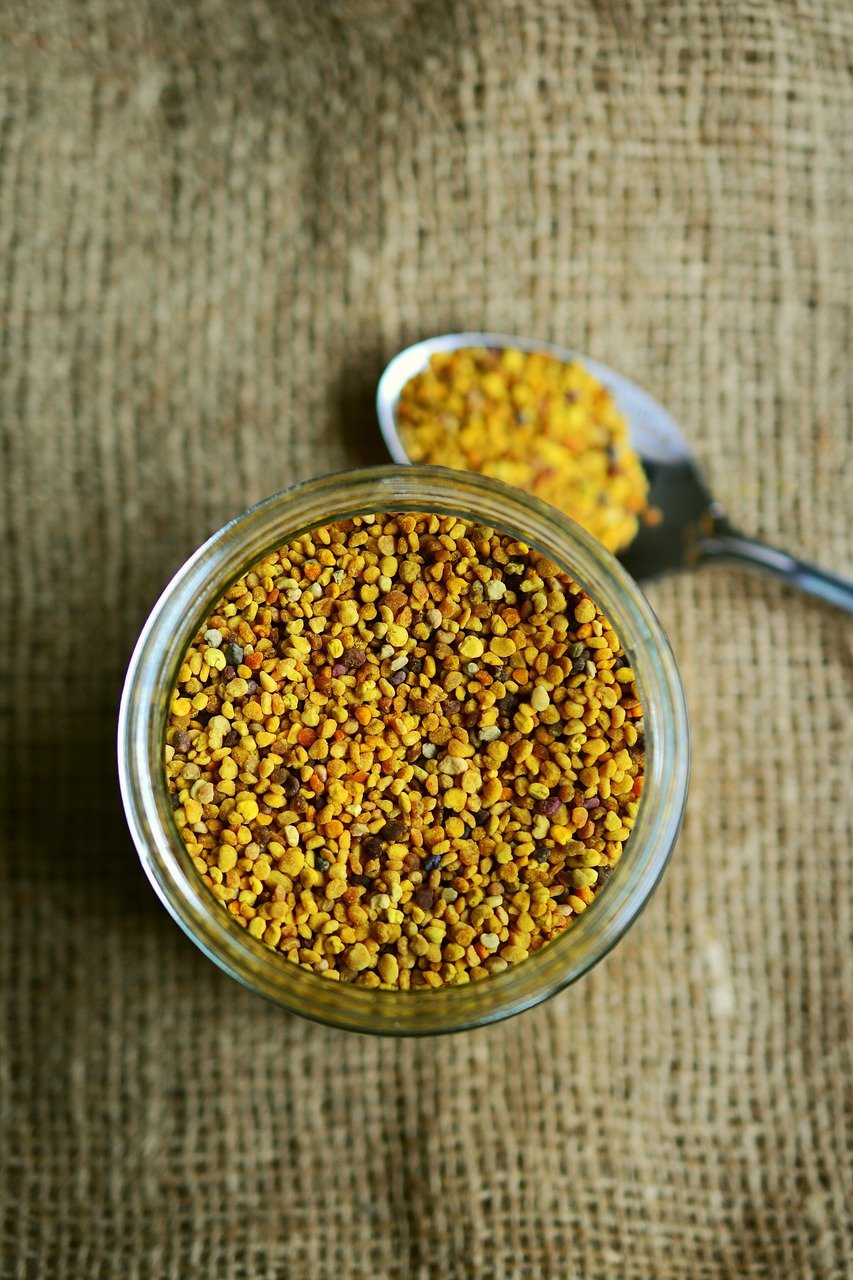
Powder products are measured by the spoon or scoop the maker supplies, so check what size of scoop the serving refers to. Tablets are simpler to count but still need the label’s serving instructions. Spirulina follows the same logic: use the form that suits you and the amount the product states. Tolerance is the other half of the question.
Spirulina side effects and cautions
Anyone searching for spirulina side effects should start with the warnings on the specific product and then speak with a health professional. Individual responses to supplements differ, and a pharmacist can check a product against your medicines.
Several groups have good reason to ask before starting any algae supplement: people who are pregnant or breastfeeding, people taking prescription medicines, and people with an existing medical condition. A supplement is not a replacement for treatment, and an “all natural” description on a label says nothing about suitability for a particular person.
The same principle covers chlorella. A new product is easiest to assess on its own, one at a time, so that any change in how you feel can be linked to a single cause and reported accurately to a clinician.
Labels, contamination and storage
Labels and test reports are the practical way to compare products, because they are the part of a supplement that a buyer can actually read. Contamination risk cannot be judged from the colour or smell of a powder, so look for evidence that a batch has been independently tested.
A useful label names the alga, states the serving, lists every other ingredient and gives the manufacturer’s contact details. Be wary of blends in which chlorella appears among many ingredients without a stated amount, because the dose of each component is then unclear.
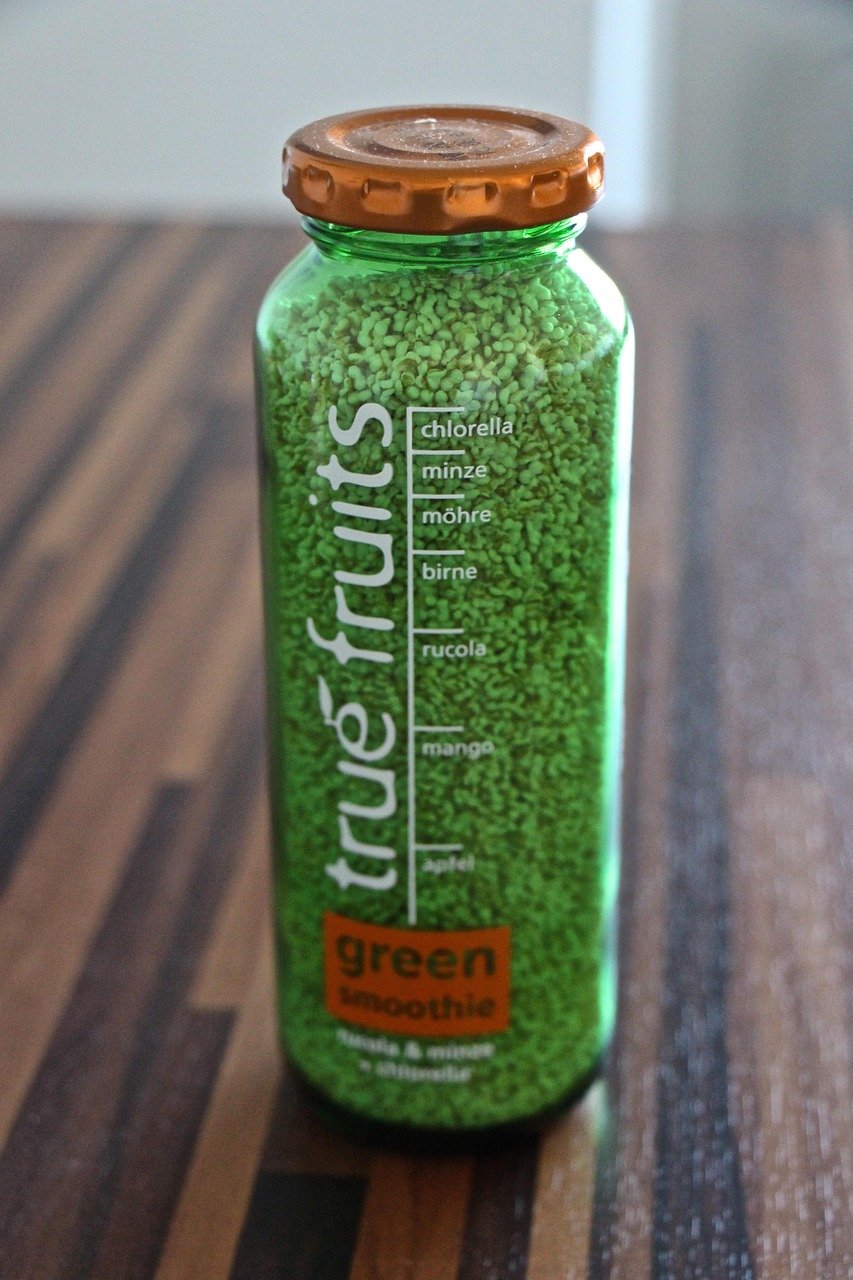
Storage directions belong on the same label, and they should be followed as printed. Powders kept in open or unlabelled containers lose the batch information that makes a problem traceable, so keep the original packaging or copy the batch details.
Who should choose which
Neither organism wins outright on the evidence available here, so the better choice is the product with clearer processing, a readable label and testing information. The decision rules below turn that into practical direction.
- Choose chlorella if you can find a product that states its cell wall is cracked and gives a clear serving size.
- Choose spirulina if its label is more transparent, its testing reports are available and its form suits how you will take it.
- Wait and ask first if you are pregnant, breastfeeding, on medication or managing a condition.
- Look elsewhere if a product relies on bold health claims without pointing to human trials.
Readers weighing other green powders can see what is moringa good for, and those curious about topical plant extracts rather than supplements can read about plant based skincare ingredients.

Frequently asked questions
| Question | Answer |
|---|---|
| Why does chlorella need a cracked cell wall? | Chlorella’s tough cell wall cannot be digested by humans unless it is cracked during processing, so a cracked-wall product is the one worth buying. |
| Is spirulina or chlorella the better supplement? | It depends on the product. Processing, serving size, ingredients and testing information separate a good choice from a poor one more reliably than the choice of alga does. |
| Where should I look for side effect information? | Start with the warnings on the product, then ask a doctor or pharmacist, especially if you take medicines or have a health condition. |
| Can label health claims be taken at face value? | No. Treat them as manufacturer statements and look for human trial evidence before relying on them. |