| Claim or use | What the evidence supports | Planning use |
|---|---|---|
| Nutrition and polyphenols | Leaves and seed pods are nutritious and widely eaten as food. The plant has a high polyphenol content, including phenolic acids, flavonoids and glucosinolates. | Treat moringa as a food ingredient first. Plant composition is not proof of a health effect. |
| Cholesterol | Preliminary findings suggest a small positive effect on lipid profiles. | Do not use it in place of prescribed cholesterol care. |
| Blood sugar | One leaf powder study found increased insulin secretion in healthy subjects. Reviews call for well-designed studies in diabetic or prediabetic patients. | There is no sound basis yet for using moringa to manage diabetes. |
| Pregnancy and breastfeeding | Pregnant and breastfeeding women should avoid moringa. | Skip it during pregnancy and breastfeeding. |
| Medicines | Supplements and medicines can interact, so a healthcare provider should be consulted before taking moringa supplements. | Check with a clinician first if you take regular medication. |
The table summarises the cautions in Memorial Sloan Kettering’s Moringa oleifera herb summary.
What is moringa good for? Mainly it is a nutritious leaf and pod food with a high polyphenol content. Evidence for specific health effects in people is still limited and preliminary, so treat it as a food, not a treatment.
Moringa sits within the wider topic of plant based wellness, where plant ingredients are best judged on what the evidence actually shows.
What moringa is and where it grows
Moringa oleifera is a small, fast-growing tree that is native to Asia and Africa and cultivated around the world, according to Memorial Sloan Kettering. Its leaves, flowers, seeds and roots are used in traditional medicine. The leaves and seed pods are also eaten as everyday food.
The seed pods are the plant part usually called drumstick pods. This split between food use and medicinal use matters for a beginner. Moringa leaf and pod belong in the kitchen, while the many health claims attached to moringa products rest on far thinner ground than the plant’s long history of use suggests.
What the research shows
Nutrient content versus health effects
Memorial Sloan Kettering describes moringa as a nutritionally rich botanical with a high polyphenol content. The polyphenols in question include phenolic acids, flavonoids and glucosinolates. That is a statement about what the plant contains.
It is not a statement about what the plant does once eaten. Studies in humans are quite limited, so the nutrient and polyphenol profile should be read as a reason to enjoy moringa as a food, not as evidence that a given amount will change a health marker. The practical consequence is simple: be sceptical of any product page that moves directly from a compound list to a promised benefit.
Cholesterol and blood sugar
For cholesterol, preliminary findings suggest moringa has a small positive effect on lipid profiles. The word small and the word preliminary both carry weight. They suggest a modest signal worth testing further, not a result strong enough to support dropping or delaying treatment a doctor has prescribed.
For blood sugar, the human evidence is thinner still. A leaf powder was reported to increase insulin secretion in healthy subjects. That finding comes from people without diabetes, and reviews specifically call for well-designed studies in diabetic or prediabetic patients. Anyone managing blood sugar should therefore treat moringa as unproven for that purpose and discuss it with their care team before adding a concentrated product.
Using moringa powder and capsules
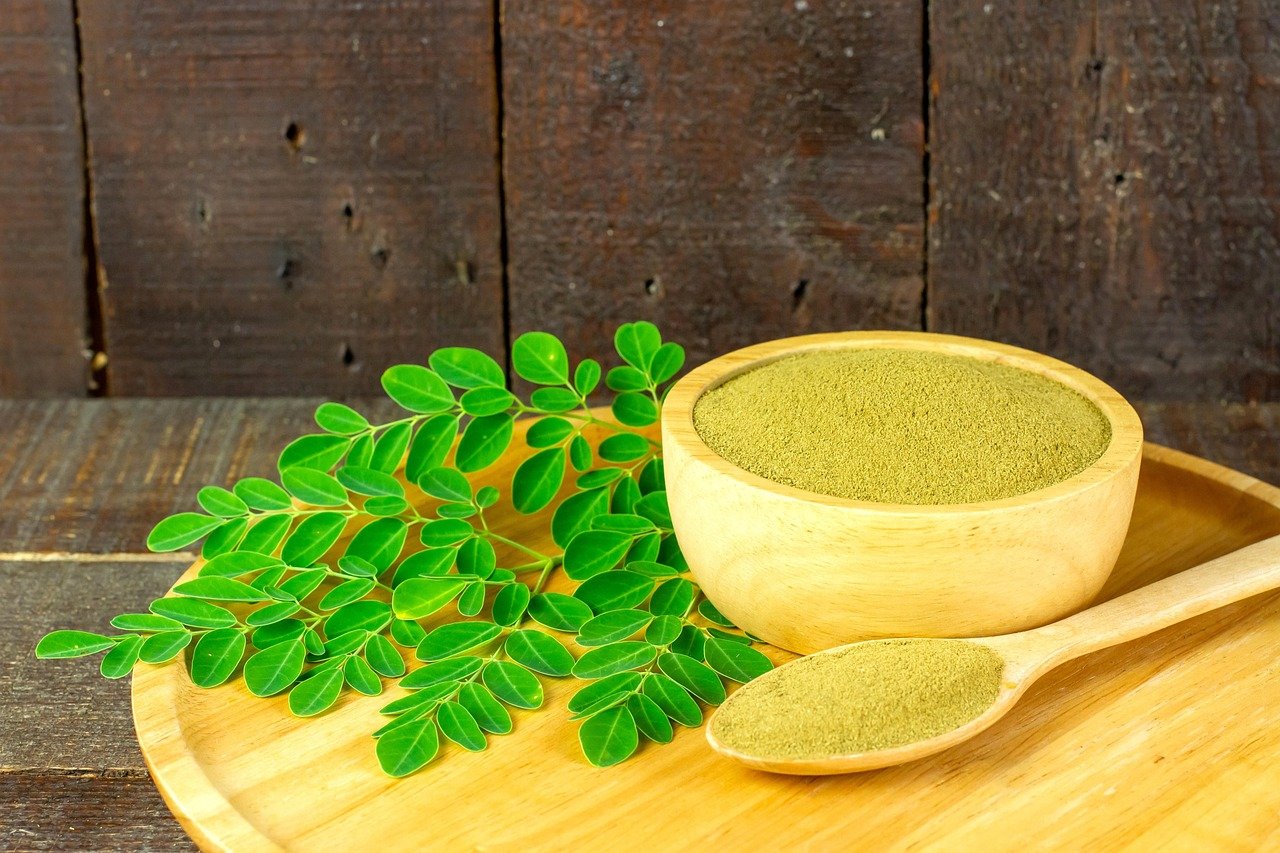
Moringa leaves and seeds can be ground to a powder, and that powder is made into capsules and tablets, according to Memorial Sloan Kettering. The choice of form mostly comes down to how concentrated a product is and how easy it is to know what you are taking.
- Powder: ground leaves, sold loose. It suits people who want to add moringa to foods and drinks they already make, and who prefer to control the amount themselves.
- Capsules and tablets: the same powder in fixed units. They suit people who want a defined amount per dose, but they are supplements and deserve the extra caution described below.
- Fresh leaves and pods: the food forms, covered in the next section. They are the gentlest way to try the plant.
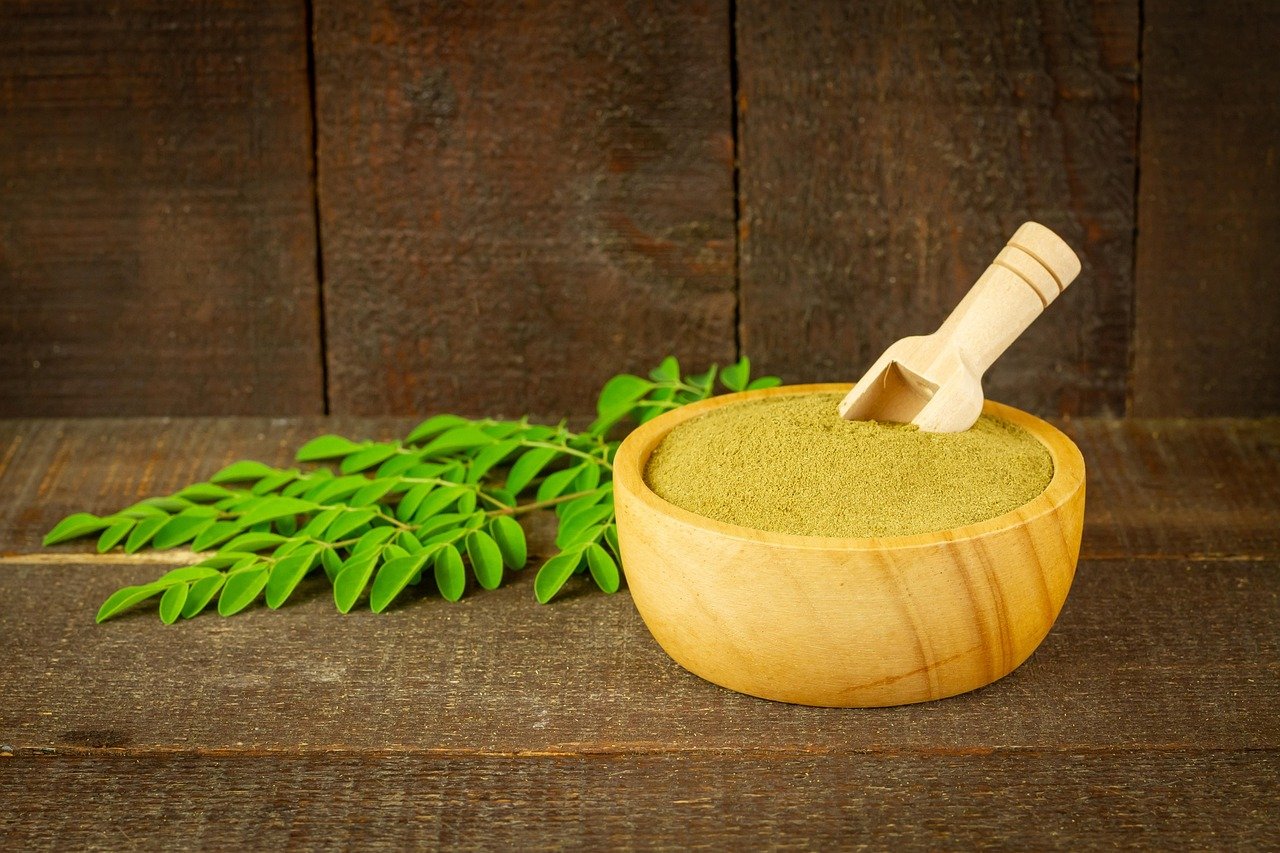
Amount is a genuine variable. One consumer health explainer on Yahoo Lifestyle notes that benefits may depend on how much moringa a person consumes. A product that does not state its amount per serving is harder to judge, and a larger scoop does not mean a better outcome. Follow the label and ask a healthcare provider about a suitable amount for your situation.
Moringa also tends to appear alongside other green powders. If you are comparing options, spirulina vs chlorella covers two of the best-known alternatives. If your goal is filling specific nutrient gaps on a plant-based diet, check a targeted topic such as vitamin b12 for vegans rather than assuming a leaf powder covers it.
Cooking with pods and leaves
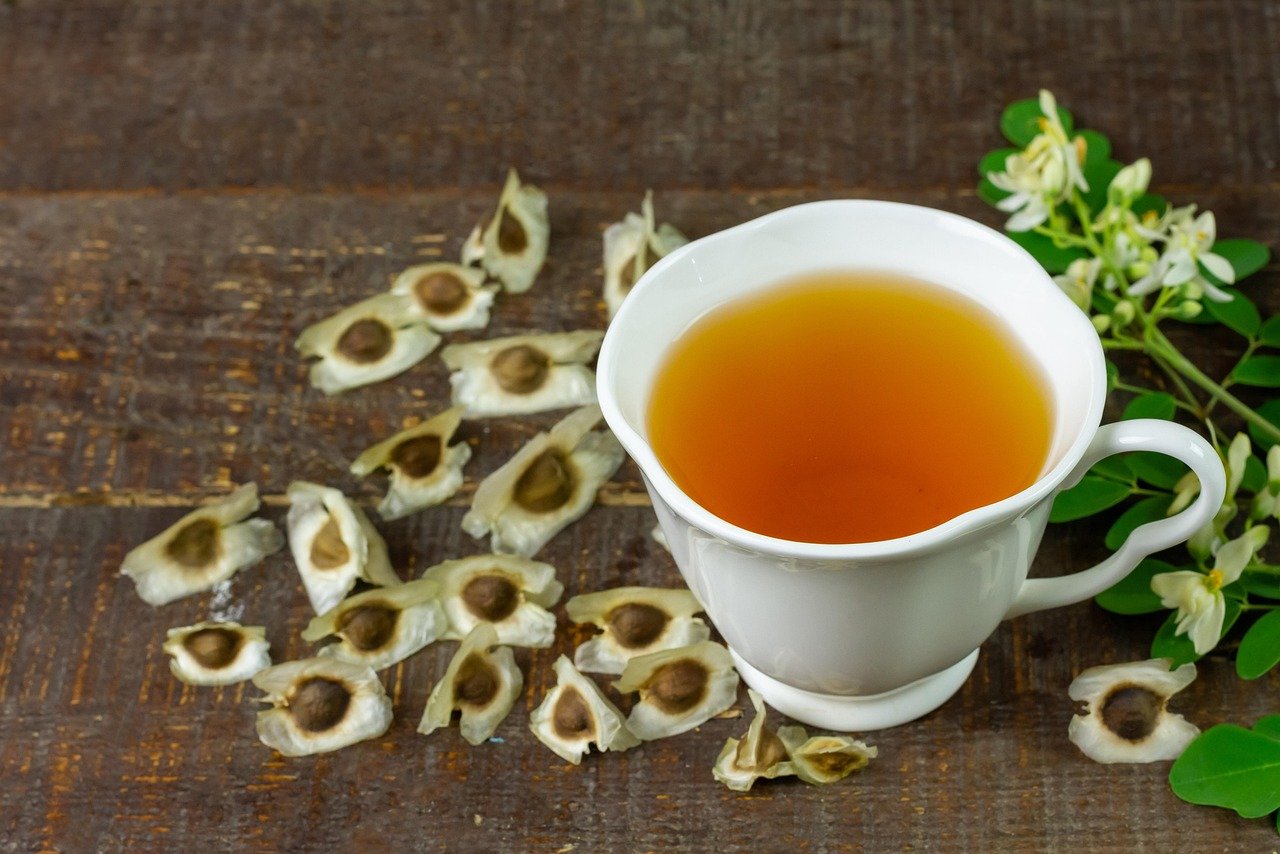
Memorial Sloan Kettering says the leaves and seed pods are nutritious and widely consumed as food. The same source points out that herbal supplements are stronger than the herbs you would use in cooking. This is the main reason food use is the sensible starting point: eating leaves and drumstick pods as part of meals is a different proposition from taking a concentrated capsule.
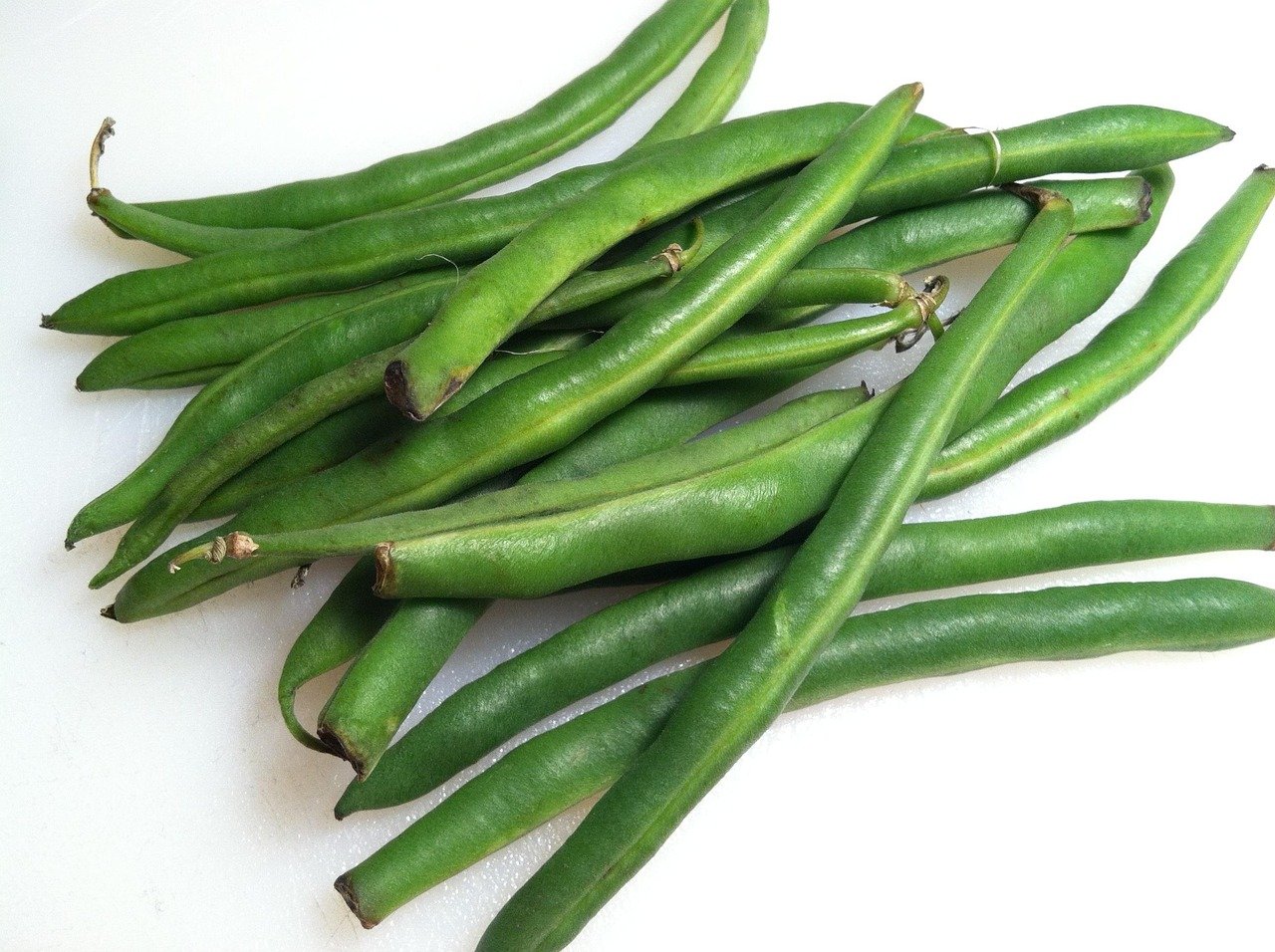
Moringa tea and possible side effects
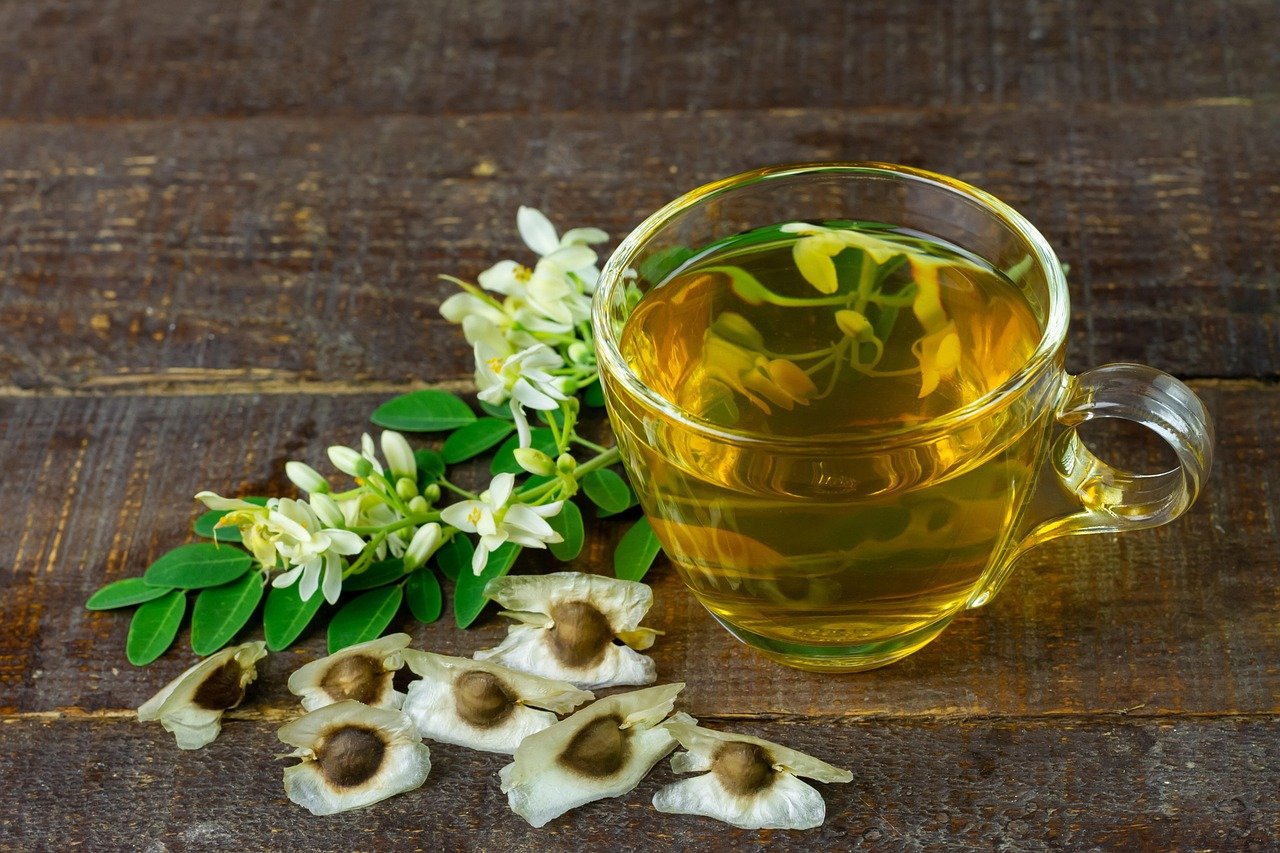
Moringa tea is made from the leaf, the same part that appears in powders and in food. The Memorial Sloan Kettering patient summary states that side effects have not been reported. Its clinician section, however, lists individual case reports linked to moringa leaves.
- Severe skin reaction: a case report describes Stevens-Johnson syndrome, with onset about 14 hours after eating food containing moringa leaves.
- Allergic reaction: a case report describes anaphylaxis with widespread angioedema after consuming moringa leaves.
These are single reports, not measures of how often reactions occur. They are still a reason to stop and seek medical care if hives, swelling, breathing difficulty or a spreading rash appear after tea or any other moringa product. People with a history of serious food or herbal allergies have the strongest reason to be careful before a first cup.
Pregnancy, medicines and who should wait
Memorial Sloan Kettering advises that pregnant and breastfeeding women should avoid moringa. The advice is plain and does not depend on the form, so it is safest to skip tea, powder and capsules alike during these periods.
Medicines add a second layer of caution:
- Talk to a provider first: supplements and medicines can interact, and the same source advises talking with a healthcare provider before taking moringa supplements.
- Preclinical interaction signals: in preclinical models, moringa increased the bioavailability of rifampin, and the findings involve CYP3A4 and other cytochrome P450 substrates. Whether this matters in people has not been determined, so the signal is a prompt to ask a pharmacist, not a proven problem.
- Plan for the longer term: anyone on regular prescriptions or with a chronic condition should raise moringa before starting it, not after a change in symptoms.
Frequently asked questions
Do animal and lab findings prove moringa works in people?
No. The Yahoo Lifestyle explainer describes animal and lab findings as preliminary and says human studies are still needed before firm conclusions can be drawn.
Is moringa sold as a dietary supplement in the United States?
Yes. The dried leaves are sold as dietary supplements in powdered or capsule form, so labels and amounts vary by product.
Should someone taking blood pressure medicine use moringa?
They should speak to a healthcare provider first. The same consumer explainer advises this for anyone taking blood pressure medications.
Are the root and bark used like the leaves?
No. The bark and root are used in folk remedies for their perceived medicinal properties, while the leaves and seed pods are the parts eaten as food. A beginner is better off keeping to leaf and pod products sold as food.