| Phase | Key figures | Planning use |
|---|---|---|
| Understand the gap | Adult RDA of 2.4 mcg per day; low serum B12 in 43% to 88% of vegetarians, especially vegans | Treat B12 as a planned nutrient from the first day of a vegan diet. |
| Add fortified foods | Typically 1-4 mcg per serving | Useful backup, but unlikely to meet needs alone. |
| Choose a supplement | 25-100 mcg daily, or 1,000-2,000 mcg weekly; 250 mcg per day in pregnancy | The main route for most vegans. |
| Test and monitor | Serum B12 below 200-250 pmol/L suggests deficiency is likely | Use results and symptoms to decide whether to adjust the dose. |
These figures come from the Today’s Dietitian review of B12 and the vegan diet and the Vegan Canada B12 update.
Vitamin B12 for vegans comes reliably only from fortified foods and supplements. A daily supplement is the safest default, because fortified foods alone are unlikely to meet needs.
This guide works through the decision in phases, from understanding the risk to testing. It sits within the wider plant based wellness series.
Phase 1: Understand why plants fall short
Vitamin B12 is only synthesized by microorganisms, so plant foods do not supply it dependably, according to Today’s Dietitian. The same review cites a prevalence of low serum B12 between 43% and 88% among vegetarians, and the figures are highest in vegans. The Vegan Society’s position, quoted there, is that the only reliable sources of B12 are foods fortified with B12 and supplements.
The answer to “do vegans need a B12 supplement?” is therefore yes in practice, or at minimum a dependable fortified source. The VNDPG, a dietetic practice group, advises all vegetarians to include a reliable B12 source in their diets, such as fortified foods or supplements. For a vegan, a supplement is the simpler way to meet that advice. Most other nutrients can be found in plants, as the guide to plant foods high in magnesium shows. B12 is the exception that needs planning.
How much B12 adults need daily
The adult RDA for vitamin B12 is 2.4 mcg per day. That figure assumes 50% absorption of the amount ingested in foods. The NIH sets no tolerable upper intake level for B12, because the Food and Nutrition Board did not establish one given its low potential for toxicity.
Phase 2: Add fortified foods
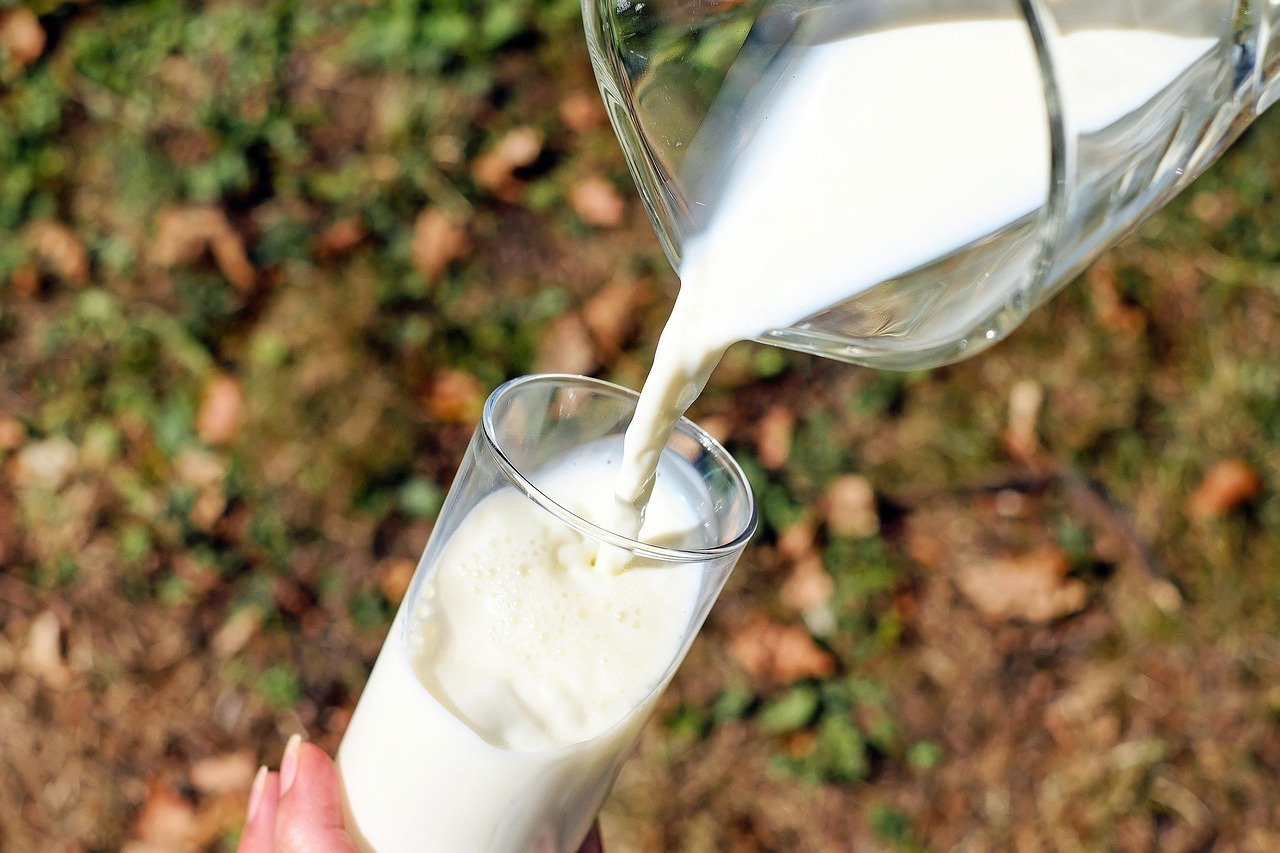
Fortified foods that contain B12 include enriched plant milks, cereals, nutritional yeast and some meat alternatives, according to Vegan Canada. These typically offer 1-4 mcg per serving.
That makes fortified foods a good supporting layer and a poor sole strategy. They suit people who eat the same fortified items daily and read labels carefully. They suit people who rely on irregular fortified choices much less.

- Check the label. Look for B12 in the nutrition panel or ingredient list, since the carton or packet alone does not show whether it was added.
- Count realistic servings. Base the total on what is actually eaten in a day, not on the label’s best case.
Nutritional yeast, cereals and meat alternatives
Nutritional yeast counts as a B12 source when it is fortified, so confirm that on the pack. Breakfast cereals and some meat alternatives follow the same rule. Because each provides a modest amount per serving, they work best as a steady habit.
Phase 3: Choose a supplement and dose
Absorption explains why supplement doses look so large next to the RDA. Only about 1% of ingested B12 from supplements is absorbed, and efficiency also drops as single-dose intake rises, per Today’s Dietitian and Vegan Canada.
Daily or weekly dosing
Vegan Canada lists daily doses of 25-100 mcg, or weekly doses of 1,000-2,000 mcg, as oral options. Typical supplementation for vegans at 25-100 mcg per day safely maintains functional sufficiency. A daily dose suits people who prefer a small amount every day and who want to avoid the lower per-dose efficiency of bigger single doses. A weekly dose suits people who find a daily habit hard to keep.
Pregnancy is the exception to the general range. The VNDPG advises that all women considering pregnancy, and those already pregnant, take 250 mcg per day of a B12 supplement.
Cyanocobalamin or methylcobalamin
The forms differ in how the body handles them. Methylcobalamin and adenosylcobalamin are active in human metabolism. Cyanocobalamin and hydroxocobalamin must be metabolized into those active forms.
| Form | How the body uses it | Planning use |
|---|---|---|
| Cyanocobalamin | The most common synthetic form; converted to active forms | Widely available; may pose a small risk with renal impairment. |
| Hydroxocobalamin | Converted to active forms | Preferred, with methylcobalamin, when kidney concerns exist. |
| Methylcobalamin | Active in human metabolism | A reasonable choice, and a preferred one with kidney concerns. |
| Adenosylcobalamin | Active in human metabolism | Appears as an active form; check product labels for it. |
The form details come from Today’s Dietitian, and the kidney guidance from Vegan Canada.
For most healthy adults, a regular dose in the typical range matters more than the form. The form becomes a real decision when kidney function is a concern.
Phase 4: Watch for symptoms and test
Vitamin B12 deficiency may be characterized by megaloblastic anemia, fatigue, weakness and constipation. It can also involve numbness and memory problems. The neurological symptoms can occur without anemia, so a normal blood count does not rule it out, according to Today’s Dietitian.
The same review warns that large intakes of folic acid, common in vegan diets, can mask the damaging effects of B12 deficiency. A healthy-looking blood picture is therefore weak reassurance for someone with neurological symptoms.
- Note symptoms early. Record fatigue, numbness or memory changes and take them to a clinician.
- Request a serum B12 test. A serum B12 result below 200-250 pmol/L means deficiency is likely, and supplementation is advised.
- Ask about functional markers. Newer guidelines emphasize homocysteine, methylmalonic acid (MMA) and holotranscobalamin (holoTC), per Vegan Canada.
- Adjust with advice. Review the dose with a clinician if results are low.
Phase 5: Settle into a routine
A routine keeps B12 dependable. Choose daily or weekly dosing, keep the same fortified foods in regular rotation, and repeat testing if symptoms appear. Linking the supplement to a fixed meal is a practical way to avoid missed doses.
For another plant-based supplement question, see what is moringa good for.
Frequently asked questions
Is too much B12 harmful?
No consistent evidence of toxicity has been shown from supplemental excess. Randomized controlled trials have used doses from 20 mcg to 2000 mcg per day, and the Food and Nutrition Board set no upper limit.
Can spirulina or seaweed replace a supplement?
Not reliably. Some fermented foods and algae, such as spirulina, contain B12-like compounds, but most are inactive analogues. Many seaweeds also carry analogues, and their activity in humans is unclear.
Which B12 form suits someone with kidney concerns?
Methylcobalamin or hydroxocobalamin is preferred for those with kidney concerns. Cyanocobalamin, the most common synthetic form, may pose a small risk for people with renal impairment.
Who needs extra attention beyond a vegan diet?
Older adults, people with digestive disorders, and those taking medications like metformin or proton pump inhibitors are vulnerable to low B12 absorption. These groups should discuss testing and dosing with a clinician.