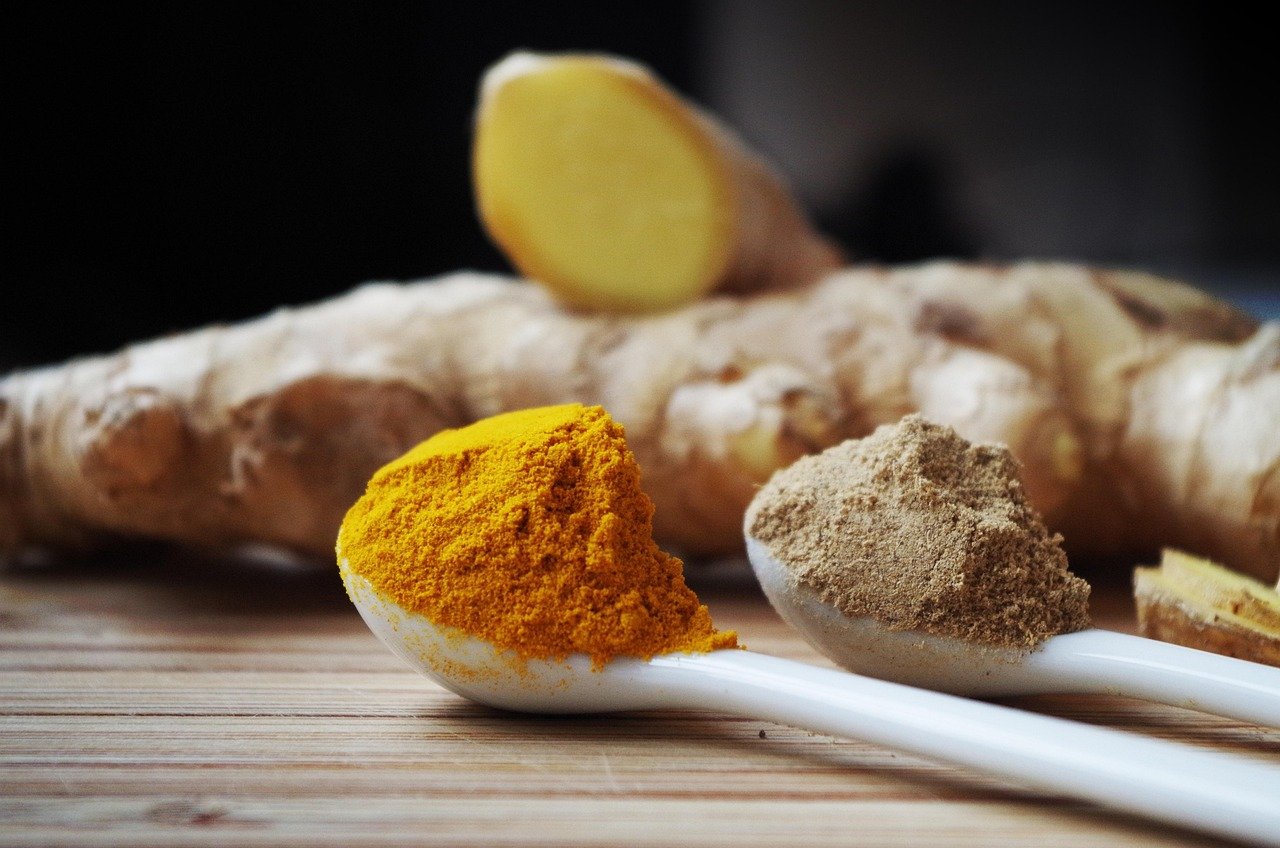
Wondering what is ashwagandha after seeing it on a supplement shelf? It is an evergreen shrub, Withania somnifera, sold as a dietary supplement. Evidence for stress relief is limited, so dose and product quality matter.
This explainer belongs to a wider look at plant based wellness. It separates what trials have measured from what product marketing tends to imply, starting with the plant itself and the most common misunderstandings.
What ashwagandha is and where it comes from
Ashwagandha (Withania somnifera) is an evergreen shrub grown in Asia, Africa and Europe, according to Harvard Health. The name comes from Sanskrit, where “ashwa” means horse and “gandha” means smell. Ashwagandha is considered an adaptogen, a category label for plants traditionally used to help the body cope with stress. Its effects are thought to come from compounds called withanolides.
Those descriptions explain why the plant is popular, but they are not the same as proof. “Adaptogen” describes how the plant is classed. It does not show what a particular dose does in a particular person. Most confusion about ashwagandha starts at that gap, and the table below sets the common beliefs against what the evidence supports.
| Common belief | What the evidence supports |
|---|---|
| It is a proven stress remedy. | Harvard Health describes only limited scientific evidence. A meta-analysis of stress studies, summarised by Memorial Sloan Kettering, calls for higher-quality trials. |
| More is better. | Most clinical trials used 125 to 600 mg per day. Higher doses have not been studied as closely. |
| Natural means harmless. | Mild digestive effects and drowsiness are reported. Rare liver injury has also been reported. |
| A bottle on the shelf has been checked like a medicine. | Herbal supplements are not closely regulated, so the buyer carries more of the checking. |
The figures and cautions above come from Harvard Health and the Memorial Sloan Kettering ashwagandha monograph.
Supplement forms, regulation and product quality
Ashwagandha supplements come as powder, liquids, capsules and gummies, according to Harvard Health. Each form delivers a different amount of plant material or extract per serving. A gummy and a capsule with similar names on the front can therefore differ greatly in what they contain.
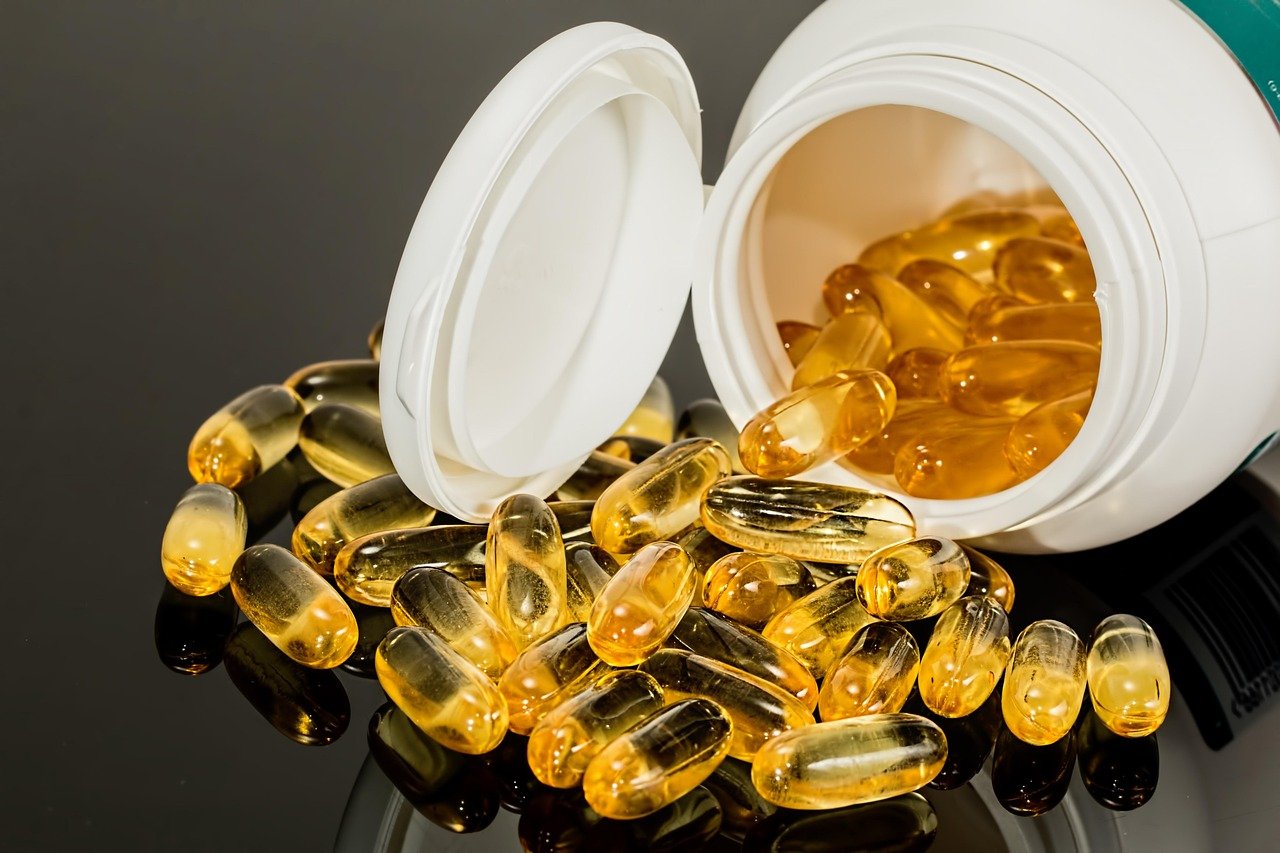
The regulatory position matters here. Harvard Health notes that herbal supplements are not closely regulated. The practical reading is that the label is a claim by the maker, not a verified result. Memorial Sloan Kettering reports a case in which hemolytic anemia and abdominal pain followed ingestion of ashwagandha and mucuna pills that contained high amounts of lead. That is a contamination problem rather than a property of the plant. It still shows why the product, and not only the herb, deserves scrutiny.
Anyone comparing products should look for the serving size and the extract amount printed on the label. Those are the two figures that can be set against trial doses, as the next section explains.
Doses used in clinical trials
Most clinical trials have used doses from 125 to 600 mg per day, and the largest safety study to date used 600 mg per day, as Harvard Health reports. Treat 600 mg as the top of the studied range, not as a target. Higher doses have not been studied as closely, so there is less to say about how they behave.
Individual trials show how much the dose and product vary:
- Sleep research: Harvard Health describes participants who took 120 mg of ashwagandha extract daily for six weeks.
- Cognition: a study of 50 adults with mild cognitive impairment, indexed on Science.gov, gave root extract at 300 mg twice daily or placebo for eight weeks.
- Physical performance: another trial on the same index gave capsules at 500 mg per day for 8 weeks.
These doses belong to specific extracts in specific populations. They do not set a general recommendation for everyone. The useful takeaway is that studied intakes sit inside a fairly wide band, and that the form and strength of the extract should be matched to the label rather than guessed from a product name. Anyone planning to take it regularly should check the amount with a pharmacist or doctor, particularly alongside other medicines.
Stress evidence and its limits
What the trials show
Stress is the main reason people search for ashwagandha, and this is where the evidence is thinnest. In a randomized trial lasting one month, people who took ashwagandha capsules daily reported better well-being, according to Harvard Health. That is a promising signal, but a single short trial with self-reported outcomes cannot settle the question. Harvard Health states that only limited scientific evidence exists for ashwagandha, and the Memorial Sloan Kettering monograph notes that a meta-analysis on stress cited the need for high-quality evidence.

Trial size and design also deserve a look. One double-blind, randomized, placebo-controlled study on the Science.gov index enrolled 50 healthy adults. That is a sound design, but a modest sample, and it tested an athletic outcome rather than stress. Designs like this are what better stress research would need, yet the supportive trials are still few and small. A reasonable reading is that ashwagandha might help some people feel better, while the size of any benefit is not established.

Evening routines and where other plants fit
The trial findings concern capsules taken daily over several weeks, not occasional use. A supplement is also only one part of a routine. A warm drink in the evening is an ordinary, low-risk habit, and readers curious about another plant-based option for winding down can read about chamomile tea benefits.

Side effects reported
Most people who report effects describe mild ones. Harvard Health lists loose stools, nausea and drowsiness. The drowsiness is worth planning around if the product is taken before driving or work.
- Liver injury: Harvard Health notes that ashwagandha has been reported, in rare instances, to cause liver injury or impaired liver function. Rare does not mean absent, and anyone who develops unusual symptoms after starting a product should stop it and seek medical advice.
- Thyroid effects: Memorial Sloan Kettering lists thyrotoxicosis associated with ashwagandha supplements taken for chronic fatigue. These are case reports, which point to a possible link and do not establish how often it happens.
- Contaminated products: as noted above, lead in a mixed product caused harm that has nothing to do with the herb itself.
Who should avoid ashwagandha
Pregnant and breastfeeding women should not take it, according to Harvard Health. Memorial Sloan Kettering adds the reason for pregnancy: ashwagandha may increase the risk of miscarriage. This is the clearest exclusion, and no trial dose changes it.
Memorial Sloan Kettering also advises that people with hormone-sensitive prostate cancer avoid ashwagandha, because it may increase testosterone levels. People who take benzodiazepines, anticonvulsants or barbiturates should likely avoid it too, since it may add to the effects of those sedating drugs. Anyone on prescription medicines, or with a liver or thyroid condition, should discuss it with a clinician first. Those are the groups where a general supplement is least likely to be a sensible casual purchase.
Putting it into practice
For a healthy adult who is not in an avoid group, the evidence supports a cautious, time-limited approach. Pick a product whose extract amount falls within the studied range, use it for a defined period similar to the trial lengths, and judge the result honestly. If nothing changes, there is little case for continuing.
Ashwagandha is one of several botanicals people compare. For a contrast in how much evidence exists for another widely used plant supplement, see what is elderberry good for.
Frequently asked questions
| Question | Answer |
|---|---|
| How long have ashwagandha trials lasted? | The trials described here ran for one month, six weeks and eight weeks, according to Harvard Health and trials indexed on Science.gov. Harvard Health adds that data on use beyond three months are limited, so long-term use is less well understood. |
| Are withanolides the active ingredient? | Ashwagandha’s effects are thought to come from withanolides. An extract stability study on Science.gov found a significant decline in withaferin A and withanolide A content under real and accelerated storage conditions, a reminder that extract content can change after manufacture. |
| Does ashwagandha have other common names? | Yes. Winter cherry and Indian ginseng are two common ones, according to Harvard Health. |