Snowy peaks suggest plenty of water, yet most Colorado farms are irrigated. How does climate affect farming in Colorado? Aridity, altitude and snowmelt decide which crops work and where water must be supplied.
This page sits within the wider guide to colorado agriculture. It corrects the most common misreadings of the state’s climate and ties each mechanism to a practical crop or land-use choice.
Common misunderstandings about Colorado’s climate
Several assumptions about Colorado weather lead to poor expectations of what a farm can grow. The table sets each against what the evidence supports.
| Common assumption | What the evidence supports | Planning use |
|---|---|---|
| Mountain snow means farms have plenty of water. | Most Colorado agriculture is irrigated and depends on groundwater and on surface water from runoff derived from Rocky Mountain snowpack. | Confirm the water supply before choosing the crop. |
| Rain alone decides the crop everywhere. | Dryland wheat responds to individual rain events, such as the over 4 inches that fell in May 2021 at a southeast Colorado dryland wheat farm. In a modeled scenario, wet years lower irrigated corn and milking cow yields but raise non-irrigated wheat and forage yields. | Judge irrigated and dryland crops separately; a wet year does not help both. |
| Climate change simply means warmer weather. | Hotter, drier weather is threatening water supplies and crop yields, and drought is producing less mountain snowpack to feed the rivers. | Watch water supply trends, not only temperature. |
These points draw on a modeling study of Colorado agriculture and water and on Burlington Record reporting on climate and Colorado farming.
Each of these misreadings traces back to water, so the next section starts with aridity and irrigation.
Aridity and why irrigation is the default
Colorado agriculture contributes $47 billion annually and supports nearly 200,000 jobs, according to Burlington Record reporting. That output rests on supplemental water rather than rainfall alone.
Where the water goes
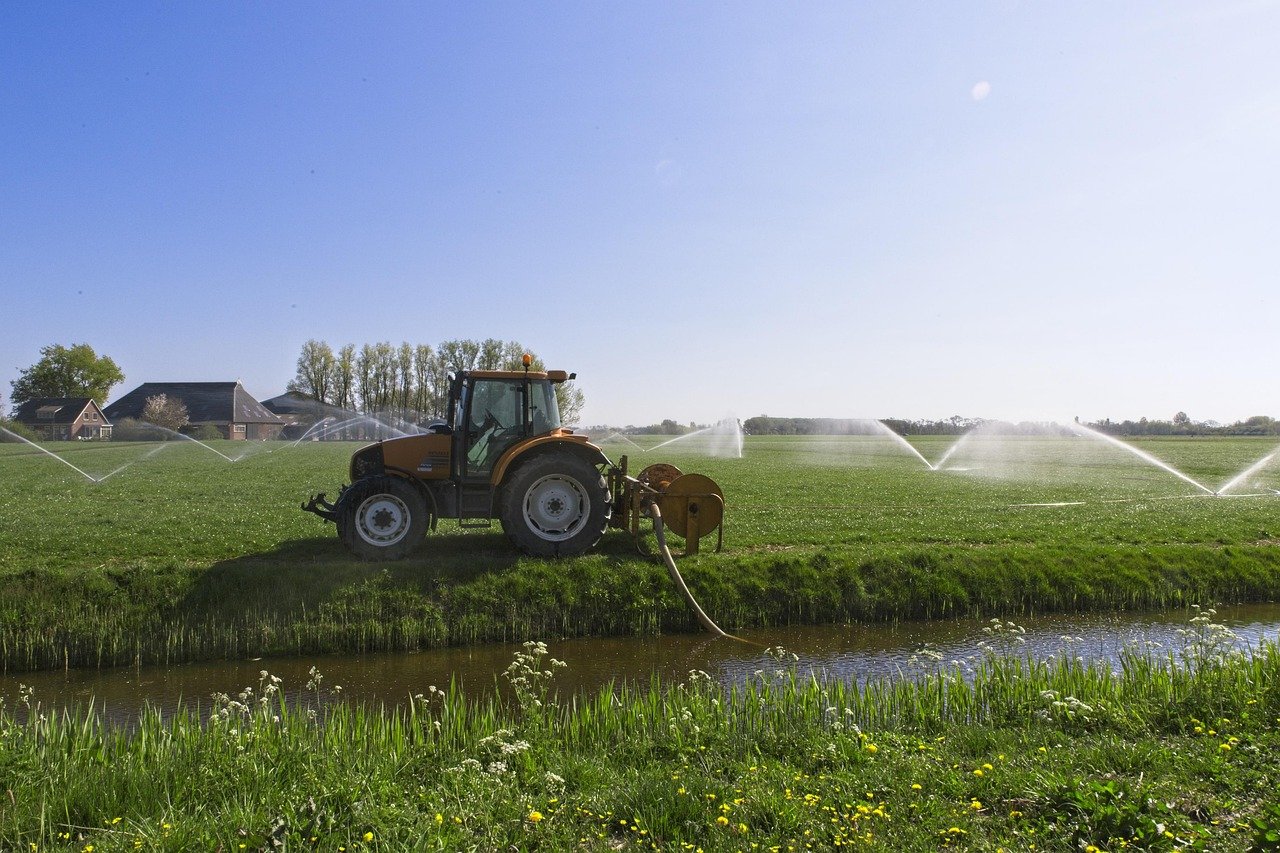
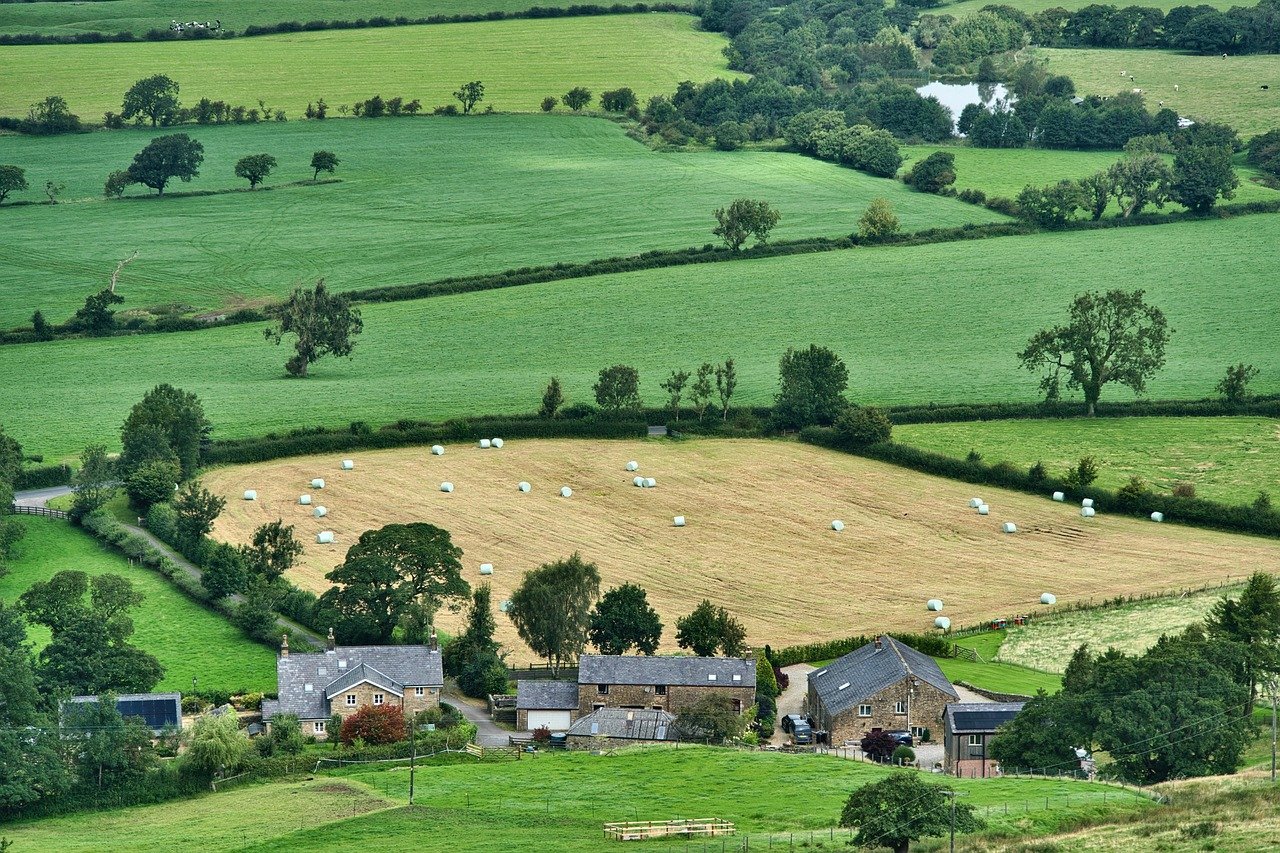
Colorado Department of Natural Resources figures, quoted in the same reporting, put agriculture’s share of the state’s water at 85.2%. The modeling study describes most agriculture as irrigated production that depends on both groundwater and surface water. For a grower, this means the water source is part of the crop decision. A field with reliable irrigation can carry a very different crop from a dryland field a short distance away.
Rainfall on dryland fields
Farmland precipitation is low enough that irrigation is the norm, and dryland farming depends on timing. The southeast Colorado wheat farm that received over 4 inches of rain in May 2021 in several significant rains shows how a dryland crop leans on a handful of events. For county-level rainfall averages, the Colorado Climate Center at Colorado State University is the natural place to check station records for a specific farm location.
Pressure on the supply
The modeling study tests what happens when water gets tighter. Rising municipal and industrial demand alone reduces agricultural water by 10.3% in its base scenario. Climate and groundwater depletion then reduce availability by a further 14.0%, for a combined decrease of 24.3%. The study does not account for farmers’ adaptation strategies, so the figures describe pressure rather than a forecast of lost production. The practical reading is that growers who depend on irrigation have the most to gain from water-efficient crop choices.
Snowmelt and the mountain water supply
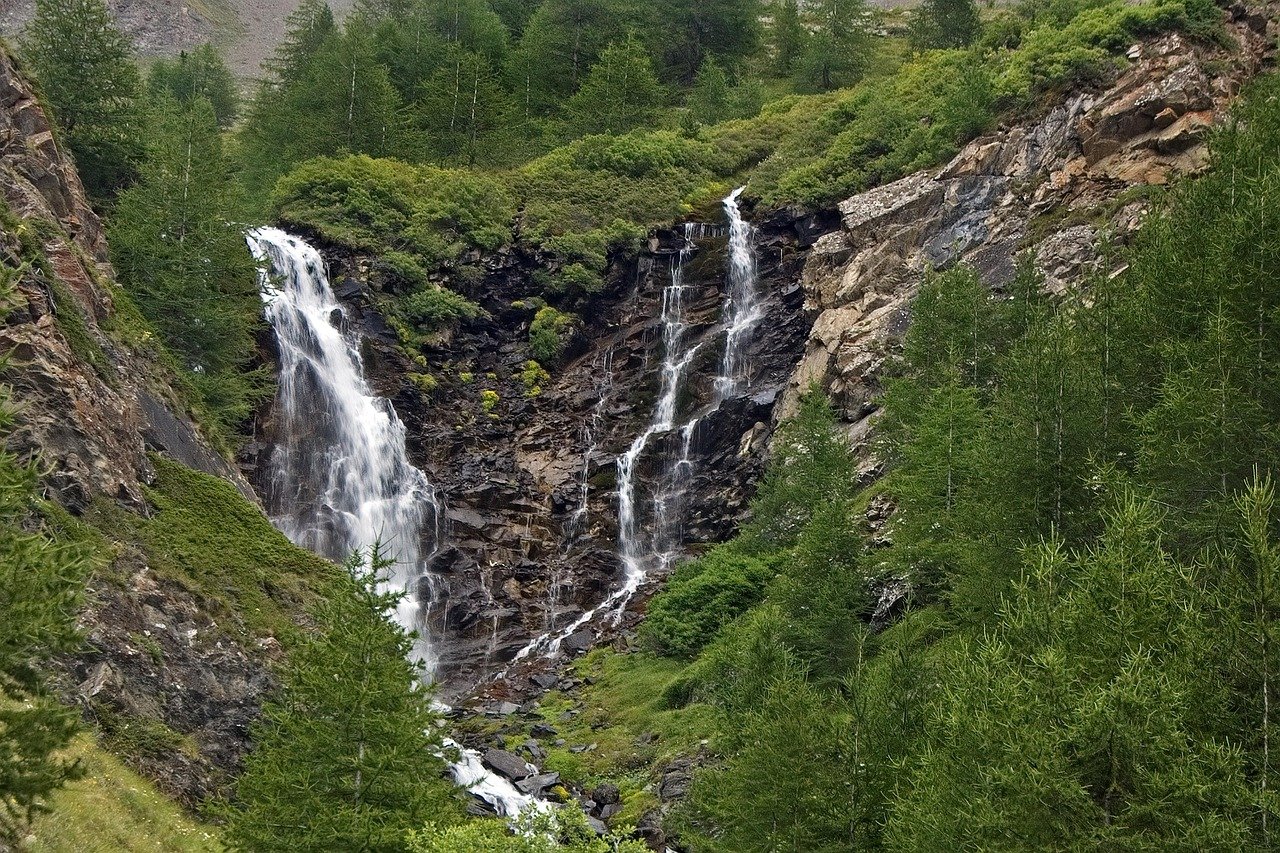
Snowpack in the Rocky Mountains is the source of the surface water that irrigates much of the state. Runoff derived from that snowpack feeds the rivers, and farms downstream draw on it through the growing season.
That link makes mountain winters a farm issue. Drought has been producing less snowpack in the mountains to feed the rivers, so a weak snow year can reach fields far from the peaks. One Colorado River ranch described in the Burlington Record lost its irrigation water altogether in a crippling drought in 2002. On the Western Slope, where river irrigation is central, this matters most for hay, pasture and fruit, which cannot simply wait out a dry season.
Water arriving from the mountains is only half the picture. Altitude also shapes what can be planted once the water arrives.
Elevation and crop choice
Elevation changes which crops make sense, and the crops that fit high ground are largely forage. Reporting on Colorado agriculture describes a study of how much water hay grown at high altitudes consumes, which shows hay is the working crop of high ground and that its water use is a live question.
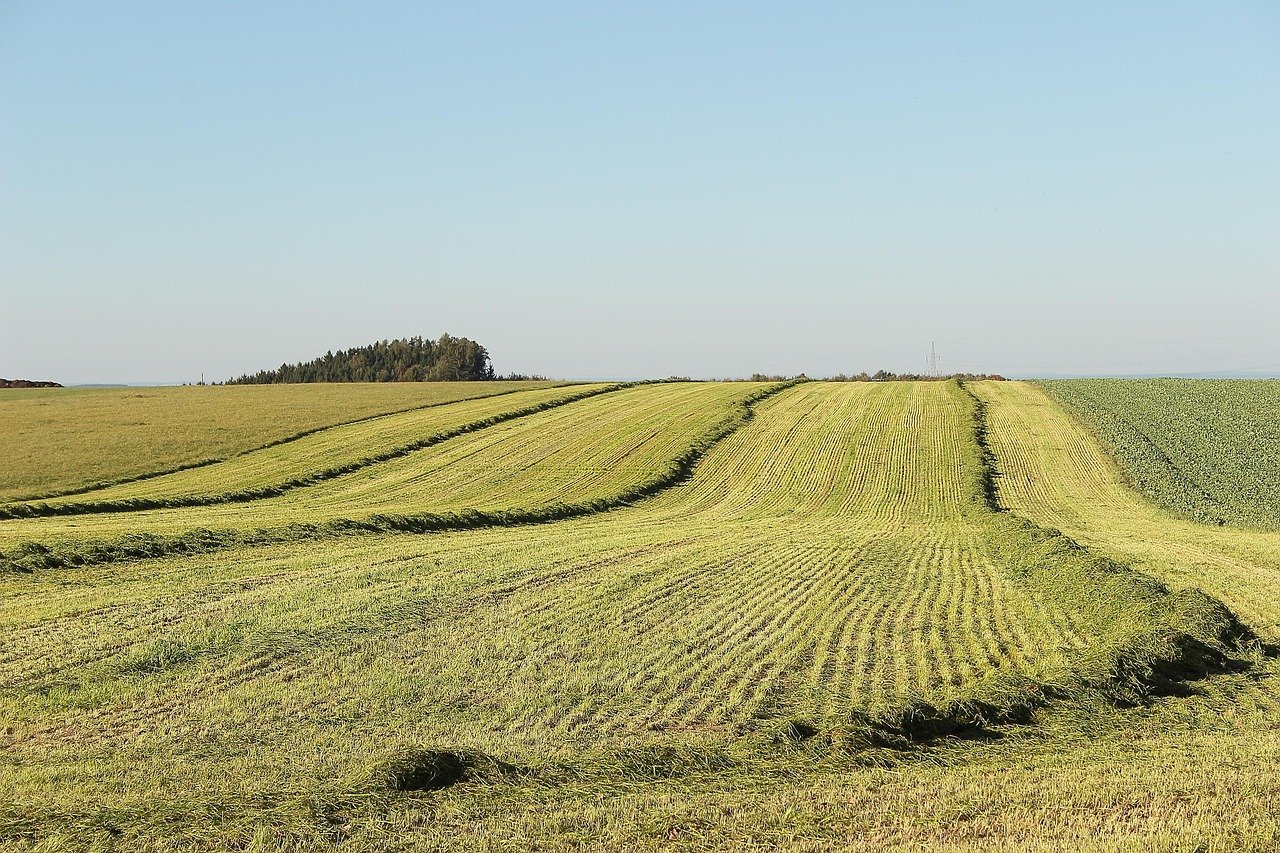
The livestock economy points the same way. Livestock accounts for 67% of total agricultural receipts in Colorado, according to the modeling study. Hay, pasture and rangeland feed that sector, so elevation and climate steer many acres toward forage rather than row crops. Readers comparing the major options can turn to what crops are grown in colorado for the full crop picture; the broader rule here is to match the crop to the water and the altitude together.
Drought, grazing and forage management
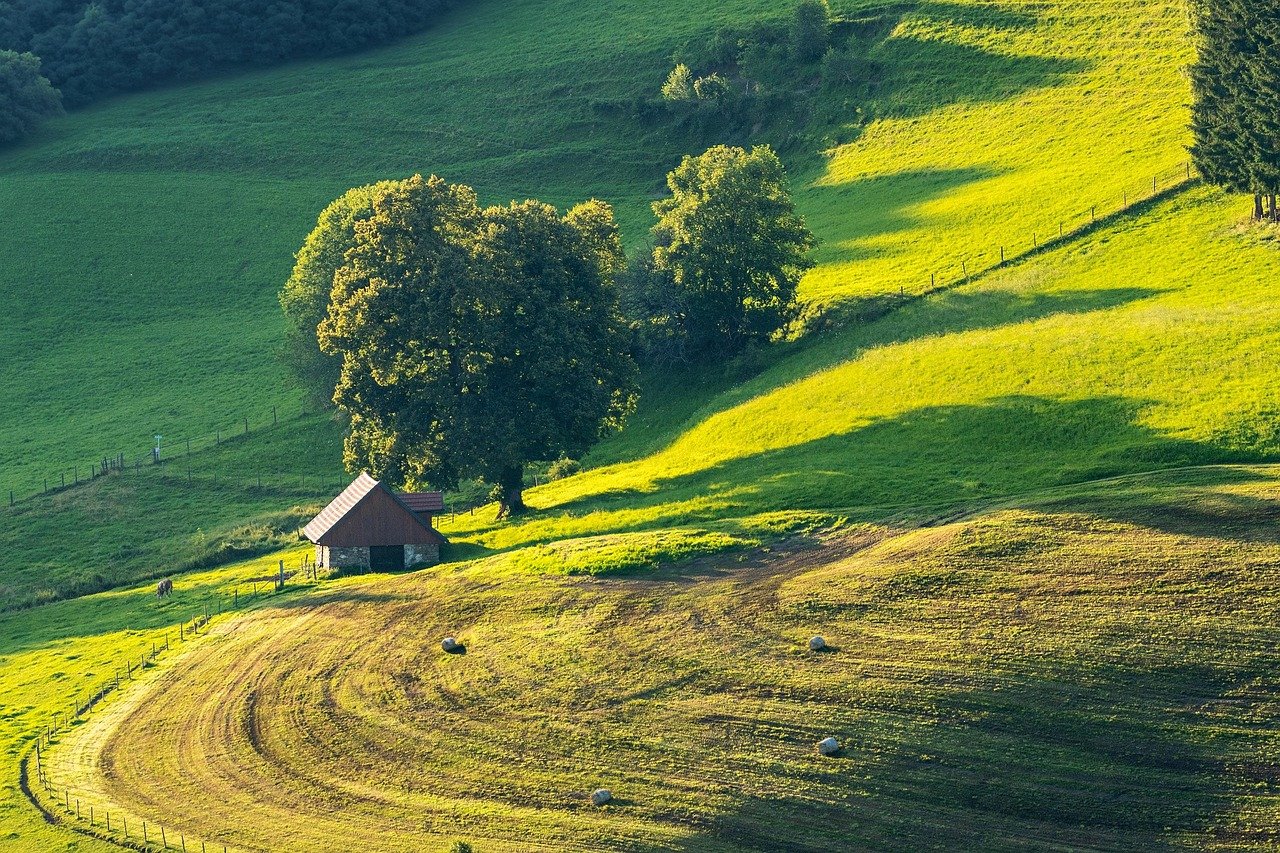
Drought outcomes depend partly on management. Colorado State University Extension states that heavily grazed pastures show greater reductions in forage production during drought than lightly or moderately grazed pastures, and that grazing management is critical for mitigating drought impacts on Colorado rangelands.
For a livestock operation, the decision follows directly: lighter grazing before and during dry spells protects the forage that remains. The Colorado Department of Agriculture adds that climate-smart practices are associated with improved soil health and optimized water usage, which makes them relevant wherever water is the limiting input.
Warming, freezes and hail
Temperature affects Colorado crops through heat, drought and sudden freezes. A group of counties in northwest Colorado and eastern Utah warmed more than 3.6°F from 1895 to 2019, double the global average, according to Burlington Record reporting. Summer 2021 was the second-warmest on record for western Colorado, while statewide August 2021 ranked as the 14th-warmest August in 127 years.
Warmth does not remove frost risk. A southern Colorado agricultural lender’s climate overview adds that warmer weather decreases water availability and yields and raises wildfire risk.
Hail is a storm-by-storm hazard rather than a seasonal trend, so it cannot be read from temperature and drought records. Local exposure is best discussed with a county office of Colorado State University Extension. For how frost dates and warmth define the planting window, see the guide to colorado growing season length.
Frequently asked questions
| Question | Answer |
|---|---|
| Where can ranchers get help with drought planning? | CSU Extension’s drought resources note that technical assistance and cost-share are available through the Natural Resources Conservation Service. |
| Is western Colorado warming faster than the rest of the country? | Parts of western Colorado show some of the most significant warming in the country, according to Burlington Record reporting. |