| Situation | What it means | Planning use |
|---|---|---|
| Older priority date | Under prior appropriation, the older the water right, the more powerful it is | Find your priority date before choosing crops or acreage for a dry year |
| Right dating before June 25, 1929 | Rights perfected before the compact was ratified are exempt from compact-call cutbacks | Confirm the date on your decree, because it can change your exposure to a compact call |
| Water unused for 10 years | Non-use for a decade triggers abandonment review, though intent to abandon is still required | Keep diversion records and evidence of use for every season |
| Right placed on an abandonment list | The list is updated every 10 years and published in local newspapers; holders have one year to object in writing | Watch the notices and act inside the one-year window |
| Temporary reduction in use | A 2013 law (Senate Bill 13-19) lets some users cut use temporarily without jeopardizing their legal rights | Ask about this route before fallowing or conserving |
| Paid diversion-reduction agreement | $250 per cfs per day not diverted, up to 20 days a year | Weigh the payment against the crop you would forgo in those days |
Figures above come from reporting on the state engineer’s protection of old water rights and on 2013 Colorado water legislation.
Colorado water rights for farmers rest on priority: the older the right, the more powerful it is, and irrigation use means growing crops. Losing a right takes more than a dry season, because intent to abandon must also be shown.
This guide explains what that means in practice for irrigators. For wider context on the state’s farm economy, see colorado agriculture, and for how irrigation water is actually applied, see how is water used in colorado agriculture.
What priority means in a dry year
Priority decides who gets water when there is not enough for everyone. Colorado administers a system of prior appropriation, in which, as the state engineer’s office is quoted in Steamboat Pilot reporting, the older the water right, the more powerful it is. That is the plain meaning of “first in time, first in right”: the earliest user to put water to work holds the strongest claim, and later users take what remains.

For a farmer, the practical result is uneven risk. Two neighbors with the same soil, crop and ditch can face very different seasons if their rights carry different priority dates. A senior right may keep delivering when a junior right is shut off.
Priority dates also matter beyond the home ditch. Rights that date to before June 25, 1929, and were perfected before the compact was ratified, are exempt from compact-call cutbacks. A farmer holding such a right has a different risk profile from one whose right is newer, which is one reason the exact date on a decree is worth knowing. The wider river picture is covered in colorado river water farming impact.
Decisions that follow from your priority date
- Crop choice: a junior right suits crops that tolerate a short or interrupted season better than crops that need steady water through the summer.
- Acreage planning: a senior right supports committing more ground to irrigated crops, since it is more likely to be filled in a short year.
- Buying or leasing land: the priority date on the attached water right matters as much as the acreage, so check it before agreeing on a price.
Does use it or lose it apply in Colorado?
Partly, but not in the simple way the phrase suggests. Value in a Colorado water right depends on it being used, yet non-use alone does not end a right. The same reporting states that just not using the water will not lead to abandonment, because there must be an intent to abandon the right.
Abandonment is defined as the termination of a water right, in whole or in part, as a result of the intent of the owner to discontinue permanent use. The owner’s intent is the legal core, and long non-use is evidence a reviewer will look at.
The ten-year review
Every 10 years, engineers and water commissioners from the Colorado Division of Water Resources review every water right. If the water has not been used for 10 years, the right can be flagged for abandonment. The resulting list is updated every 10 years and published in local newspapers, and holders then have one year to file an objection in writing.
The sensible reading is that a decade of silence is the danger zone, not a single fallow year. A farmer who has idled a field should still keep records, because diversion records or observed use are what show the right is alive.
What to do with an idle right
- Keep records: log diversions each season, including partial use, so the file shows continuous activity.
- Read the notices: the abandonment list appears in local newspapers, and the one-year objection window is short enough to miss.
- Object in writing: if a right is listed in error, file a written objection within the year rather than waiting.
- Make intent clear: if you plan to use the water again, say so and keep evidence of that plan.
Conserving, leasing and selling a right
Conserving water used to carry legal risk. Before 2013, according to coverage of that year’s legislation, a water user who conserved could legally be considered to be abandoning valuable rights. Senate Bill 13-19 changed that by allowing some water users to temporarily reduce their water use without jeopardizing their legal rights.
Rights can also be sold or leased. The same coverage lists purchasing and leasing water rights among the statutory tools used by Colorado’s water trust, alongside agreements around the timing of reservoir releases. So a farmer can treat a right as an asset, not only as a farming input.
One example shows how a short-term arrangement can pay. Under an agreement described in that coverage, participants were paid $250 per cfs per day not diverted, for up to 20 days a year. The right stays with the farmer, and the farmer is compensated for leaving water in the stream during a limited window.
Choosing between the options
- Short-term reduction: suits a farmer who wants the right back in full next season and can spare a few weeks of water.
- Lease: suits a farmer who wants income from water without giving up ownership.
- Sale: is a permanent step that removes the right from the farm, so it deserves advice from a water attorney before any commitment.
Any change to how or where water is used is a legal matter, not just a business one. A water attorney or the Division of Water Resources can confirm what approvals a particular change needs.
How a water right is built
A Colorado water right has three parts: a priority date, a quantity, and a beneficial use. The priority date fixes its place in line. The beneficial use is the purpose the water serves, and for irrigation, beneficial use means growing crops.
Decrees and adjudication
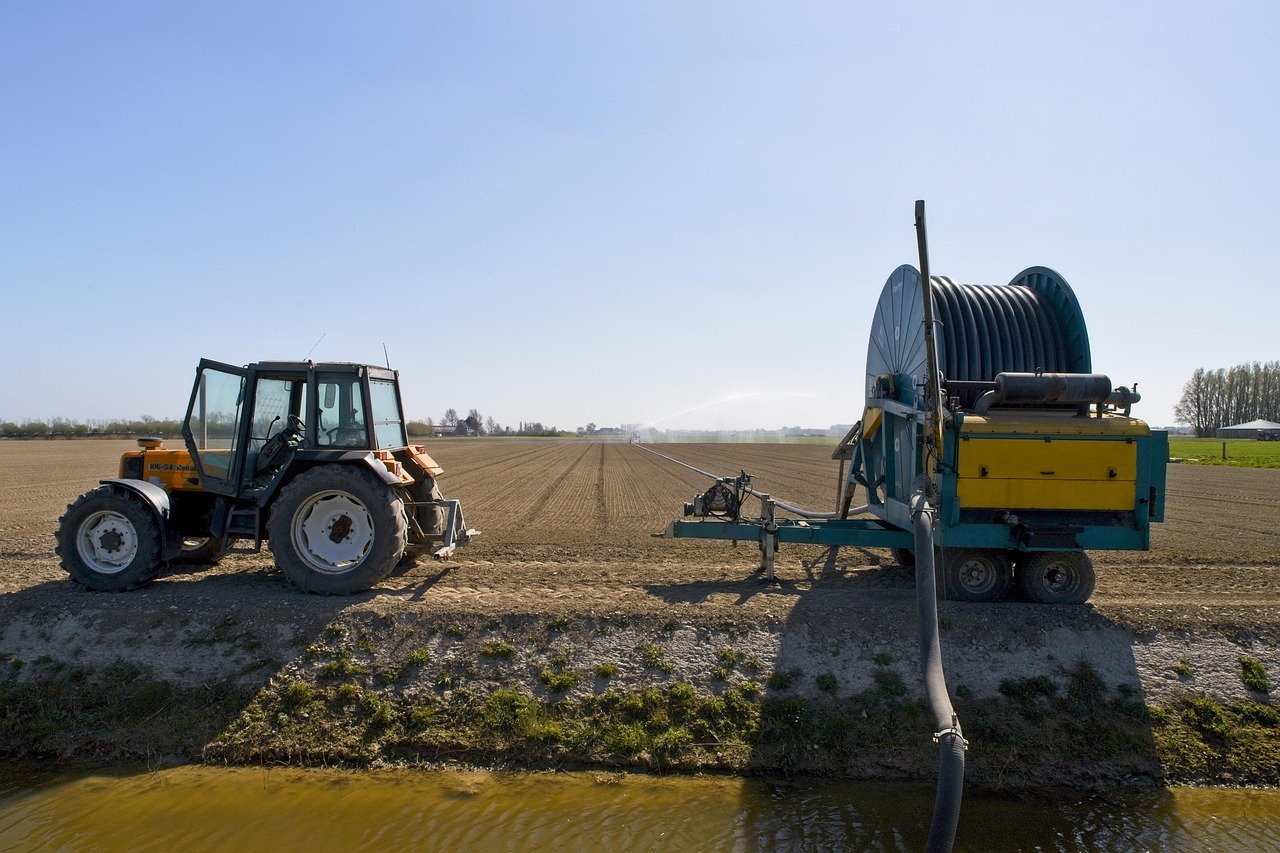
Rights are adjudicated, meaning they are decreed through the water court system, and the adjudication record is where a priority date is established. Adjudication years can differ even on one ditch. On the Helms Ditch, for instance, about half the rights were adjudicated in 1903 and the other half in 1936, according to the 2013 legislation coverage. A farmer reading a decree should look for both the date and the amount, because both affect what can be diverted in a given year.
The statutory footing
The prior appropriation doctrine is the foundation of Colorado water administration, and the Division of Water Resources applies it through its engineers and water commissioners. Individual farmers rarely need the statute text itself. What they need is the decree for their right, since that document states the priority and the amount.
Ditches, companies and day-to-day delivery
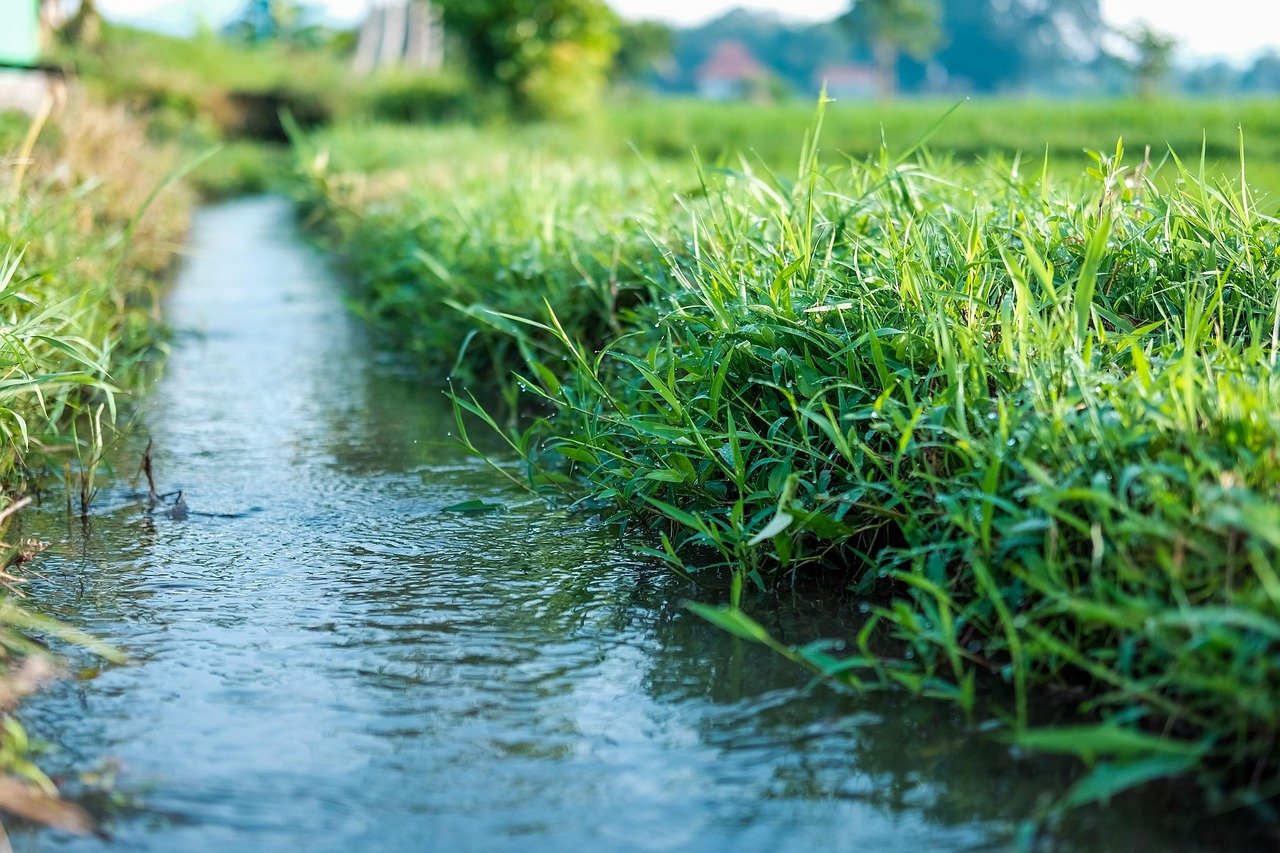
Rights are exercised at the ditch. A ditch company, where one exists, is the body through which several users on a shared ditch receive water, so a farmer on a shared system should ask how deliveries are scheduled and how use is recorded. Those records are the same evidence that protects a right during an abandonment review.
Not every ditch is shared. The Helms Ditch, for example, is not shared with any neighbors and can divert up to around 6 cfs. That sets a ceiling on what the ditch can carry, and it is a useful reminder that a ditch’s capacity and the right it serves are separate questions. A big right on a small ditch cannot be fully used, and the reverse is also true.
Frequently asked questions
Who checks whether a water right has been abandoned?
Every 10 years, division engineers and water commissioners from the Colorado Division of Water Resources check each water right.
How long does a holder have to object to an abandonment listing?
Holders have one year to file an objection in writing after the listing is published.
Does conserving water put my right at risk?
Before 2013 it could, because conservation could be treated as abandonment. Senate Bill 13-19 now allows some users to reduce use temporarily without jeopardizing their rights.
Does a younger right ever outrank an older one?
Under prior appropriation, the older the water right, the more powerful it is, so a younger right ranks behind an older one.
What counts as beneficial use for irrigation?
For irrigation water, beneficial use means growing crops.