Quick answer: Organic farming in Colorado begins with choosing a certifier, deciding which certification scopes you need, and claiming state cost-share reimbursement where it is offered. Water planning and season length then shape which crops make sense.
Organic production is one part of broader colorado agriculture, and the choices below help you decide whether to certify now, transition first, or sell through a different channel.
Choosing your route
The right starting point depends on how your land is managed today and where you plan to sell. Four criteria do most of the work.
- Current land management: Fields already run without prohibited inputs are the best candidates for certifying now. Fields still using conventional inputs belong in a transition plan first.
- Scope: Certification is issued by scope. Crops, livestock, wild crops and handling (processing) are the scopes named in the federal cost-share notice, so a farm that also packs or processes its own produce may need more than a crop certificate.
- Market channel: Direct sales and wholesale-style sales reward different scales of operation.
- Water and season: Irrigation access and a short growing window limit what you can grow. Settle these before paying for certification.
| Decision | Verified value | Planning use |
|---|---|---|
| Certification cost reimbursement | 75% of allowable expenses, up to $750 per certification scope | Treat the cap as a ceiling, not a typical refund. Budget certification as a net cost after reimbursement and keep receipts. |
| Scopes covered by cost-share | Crops, livestock, wild crops and handling | Certify only the scopes you will actually sell under the organic label, since each scope carries its own cap. |
| Direct-to-consumer sales (national, 2021) | $310 million through farmers markets, on-farm stores, CSAs and online | Suits growers building a local customer base with modest volumes. |
| Sales to retail, institutions and food hubs (national, 2021) | $2.02 billion | Suits growers who can supply steady volumes to buyers rather than individual shoppers. |
Cost-share figures come from the federal organic certification cost-share notice, and sales figures from the 2021 USDA NASS Organic Survey results.
Becoming a certified organic farmer in Colorado
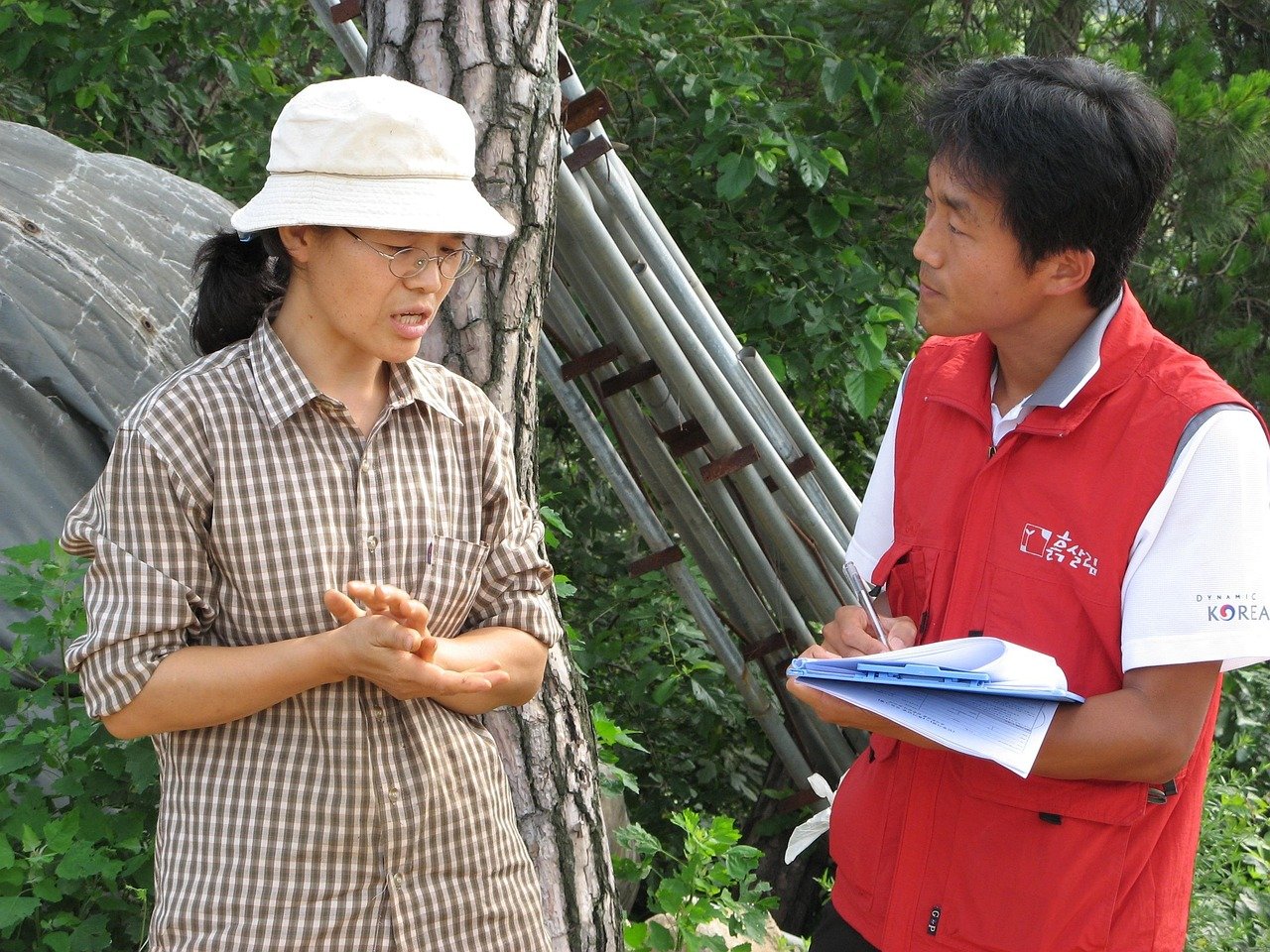
Certification follows the standards of the USDA National Organic Program and is carried out by a certifier. The Colorado Department of Agriculture’s organic certification program is the state-level starting point for Colorado operations to ask about certification and state assistance. The practical order of work looks like this.
- Choose a certifier. Compare their fee schedules and the scopes they certify before committing.
- Write an organic system plan. Describe fields, inputs, fertility, pest management and record-keeping.
- Document your land history. The certifier needs to know what has been applied to each field.
- Host the inspection. The certifier reviews records and walks the fields and any handling areas.
- Keep certification current. Keep records and receipts, because the same paperwork supports a cost-share claim.
Certification is the point at which organic practice becomes a marketable claim, so the records matter as much as the fields. Once certified, the main ongoing question is cost, which begins with the transition.
Transition period and what it costs
The transition period is the stretch of organic management that land must complete before its crops can be sold as certified organic. Your certifier confirms when each field qualifies, and that date drives your first organic harvest. Because the transition years carry organic costs without an organic price, plan cash flow around them rather than around certification fees alone.
The reimbursement program described in the federal notice repays certified organic operations, so it is aimed at certified status, not at transition-year spending. The USDA NASS Organic Survey treats transitioning producers as their own group: the 2025 survey was sent to known organic farms as well as producers transitioning to certified organic production. That gives transition-stage farms a place in the national data.
Cost-share for organic certification
Cost-share does exist, and it can offset a meaningful part of certification costs. Per the federal cost-share notice, state agencies may reimburse certified operations for 75% of allowable certification expenses, up to a maximum of $750 per certification scope. The scopes are crops, livestock, wild crops and handling.
Funding comes from the USDA Farm Service Agency, which provides it to eligible state agencies that then run the reimbursement program. For the fiscal 2023 round, the funding available was about $10 million for the National Organic Certification Cost-Share Program and about $943,000 for Agricultural Management Assistance.
Timing matters. In that round, costs had to be incurred between October 1, 2022 and September 30, 2023, with requests due November 1, 2023. Those dates belong to that year, so ask the Colorado Department of Agriculture for the current eligibility window before you pay a certifier. A farm that certifies both crops and handling can claim for each scope separately, up to the per-scope cap.
Which crops are grown organically
National data shows where organic demand is concentrated. The 2021 NASS Organic Survey results, summarised by Ag Net West, report these national sales.
- Fruits, tree nuts and berries: $2.2 billion, up 9%.
- Vegetables: $1.91 billion, down 8%.
- Field crops: $1.50 billion, up 27%, with corn for grain at $424 million, up 53%.
These are national totals, not Colorado output, so they show demand rather than what a Colorado farm can grow. Field crops grew fastest, which favours growers with larger acreage and equipment. Vegetables fell, which is a reason for small growers to test their market before expanding. For the state’s commodity picture, see what crops are grown in colorado, then match a crop to your water supply and season length.
Production in dry, short-season conditions
Organic systems replace synthetic inputs with soil management, so fertility and soil cover carry much of the workload. In a dry climate with a short growing window, three decisions deserve attention before planting.
- Water first: Confirm your irrigation supply before choosing crops, since an organic plan cannot fix a water shortfall.
- Fit crops to the season: Favour crops that mature within your frost-free window and avoid ones that depend on a long, warm season.
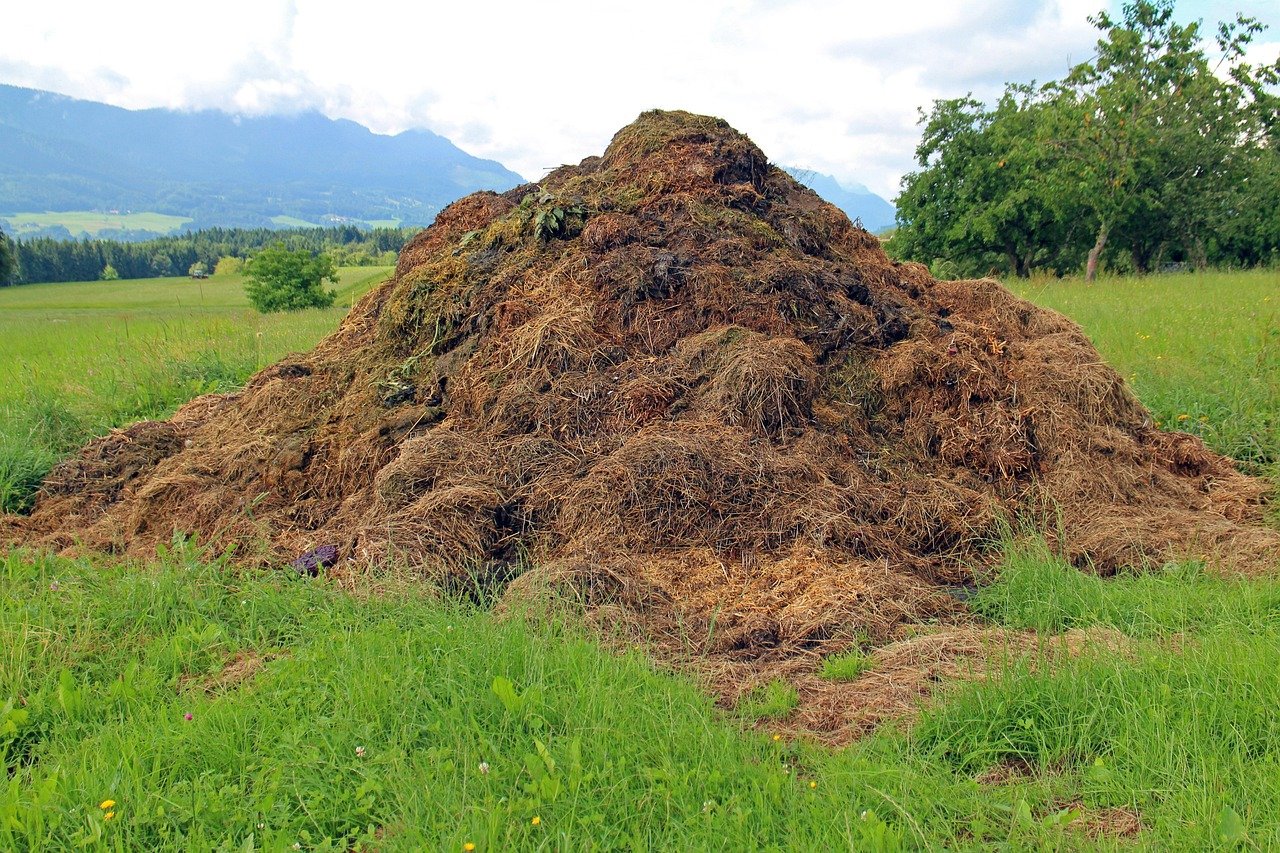
- Build fertility on the farm: Compost and plant residues feed the soil without prohibited inputs, and each material you bring in needs to be recorded for your certifier.
Fertility planning is mostly record-keeping and sequencing. Materials built up on the farm should be documented so the certifier can trace each input.
Organic sales and farm numbers
The USDA NASS Organic Survey is the main public count of organic operations and their sales. In the 2021 round, summarised by Ag Net West, total US organic sales were $11.2 billion, up 13% from 2019. There were 17,445 certified organic farms nationally, a 5% increase from 2019. Those totals are national; Colorado’s own farm and acreage counts come from the state tables of the survey results.
The next round is already under way. According to AgriNews, NASS is conducting the 2025 Organic Survey, last run in 2021. The questionnaire asks producers about acreage, production and sales, and the response deadline was Feb. 5.
For a grower choosing a channel, direct sales are the lower-volume option and wholesale-style buyers the larger one, as the table above shows. Direct sellers can start with the colorado farmers markets guide to see where local shoppers buy.
Frequently asked questions
Do I apply to USDA for certification cost-share?
No. Under the federal notice, individual farmers and organic businesses do not apply directly to USDA. Operations apply through their state agency’s program, so Colorado farms should ask the Colorado Department of Agriculture.
Where can I find a list of Colorado organic farms?
The USDA Organic Integrity Database lists certified operations and can be searched by state. The Organic Survey results provide statistical totals rather than named farms.
Does the Organic Survey include farms that are not yet certified?
Yes. The 2025 survey was sent to known organic operations and to producers transitioning to certified organic production, so transition-stage farms can appear in the data.