What crops are grown in Colorado? The main list covers wheat, corn, hay, sorghum, barley, potatoes, sunflowers and tree fruit such as peaches. Each crop clusters in particular regions, and USDA Census tables rank them by harvested acres.
This guide ties each crop to its growing region and points to the official tables for exact figures. It sits within the wider colorado agriculture picture, where crops and livestock share the state’s farmland.
How this list is ordered
This list is an ordered selection, not a ranking. A true ranking needs harvested acres for the same year, and the USDA National Agricultural Statistics Service (NASS) publishes those in its Census of Agriculture county tables.
The selection criteria are simple:
- Field crops first. Wheat, corn, hay, sorghum, barley, potatoes and sunflowers are the crops a reader most often asks about when comparing Colorado’s harvested acreage.
- Region as the organizing idea. Each crop is tied to the part of Colorado where it is associated, so the list works as a map as well as a catalogue.
- Fruit as a separate case. Peaches and other orchard crops are counted in a different Census table and come from a different part of the state than the grain belt.
Major crops and where they grow
Wheat on the Eastern Plains
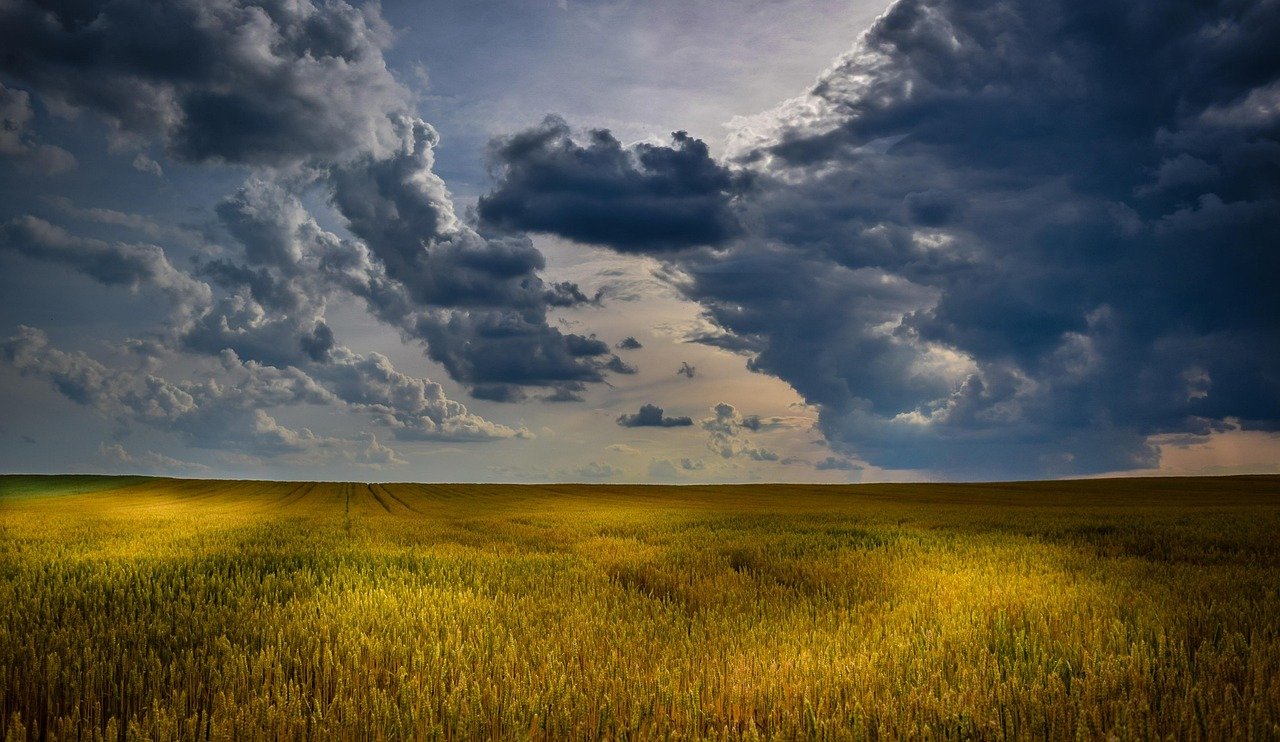
Wheat is the crop most closely linked to the Eastern Plains, the wide, flat country east of the Front Range. It suits readers who want the state’s broad-acre grain story, because it is a field crop grown over large areas rather than a specialty crop grown on small acreage. For harvested acres, check Table 24 of the 2022 Census county tables for Colorado. A limit to remember: a regional association tells you where a crop is typical, not how its acreage compares with other crops.
Corn under irrigation in the northeast
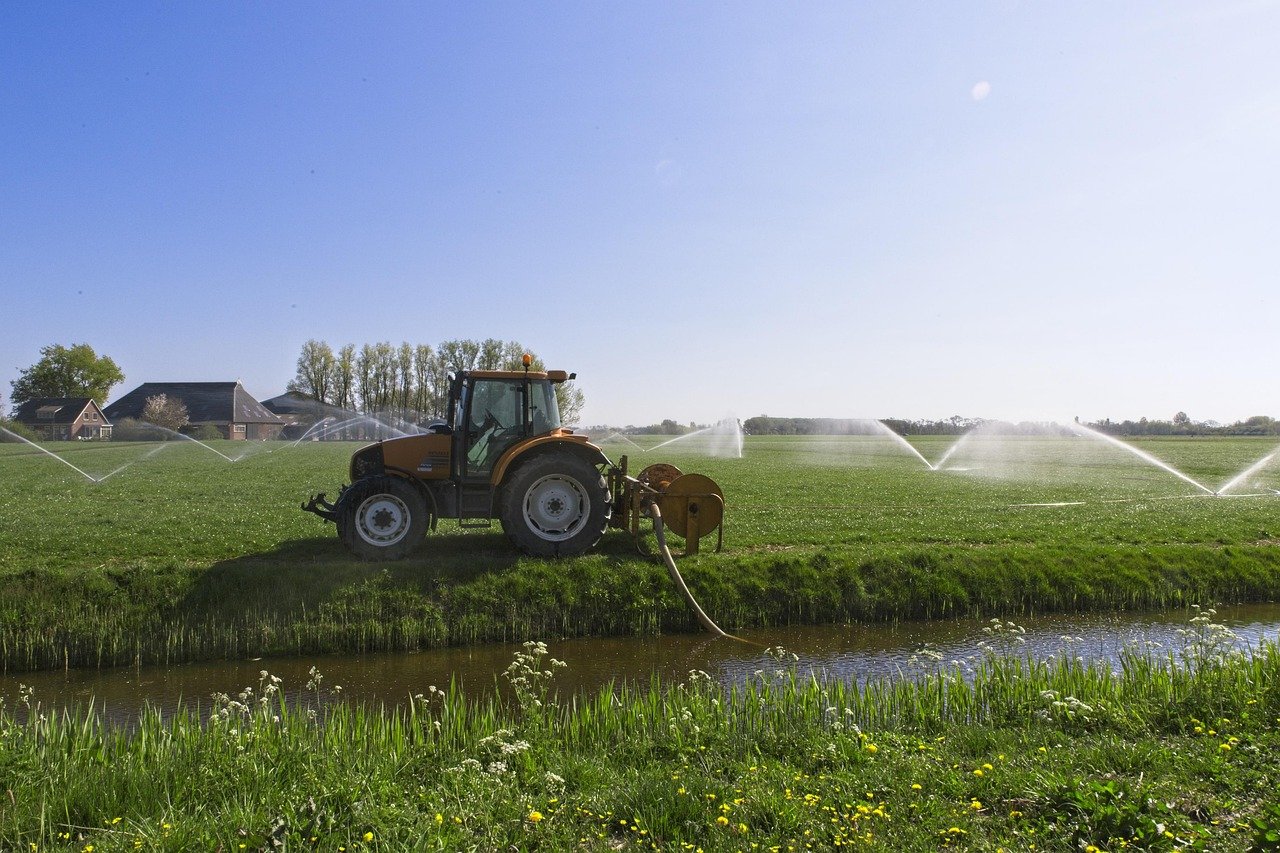
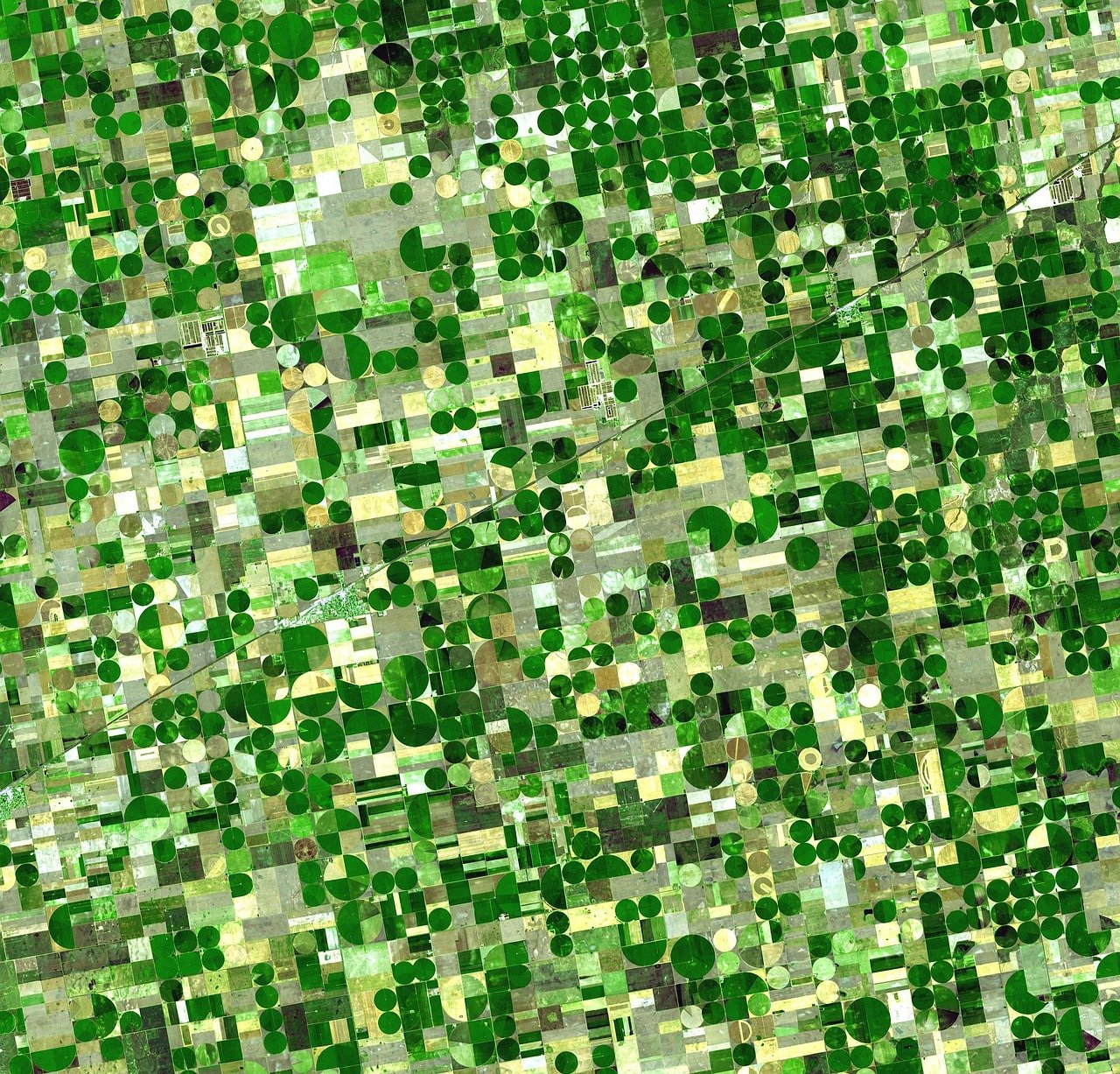
Corn is a major irrigated crop, and northeastern Colorado is the region most often paired with it. Center-pivot systems are the familiar sight there, watering circular fields. Corn suits readers interested in how water shapes cropping choices, since irrigated ground supports crops that rainfall alone might not.
The reasons different regions favor different crops are explored in how does climate affect farming in colorado.
Hay and forage across the state
Hay is the crop that turns up in nearly every part of Colorado, from irrigated valley meadows to plains operations. It is usually grown to feed livestock, which is why it connects crop statistics to the state’s cattle sector. The Census reports it with other forage under Table 26, “Field Seeds, Grass Seeds, Forage, Hay, and Silage: 2022 and 2017”. Hay suits readers who want to understand how crop and livestock farming depend on each other. It also explains why the hay total can look modest in dollar terms while it still matters to ranches.
Sorghum and barley
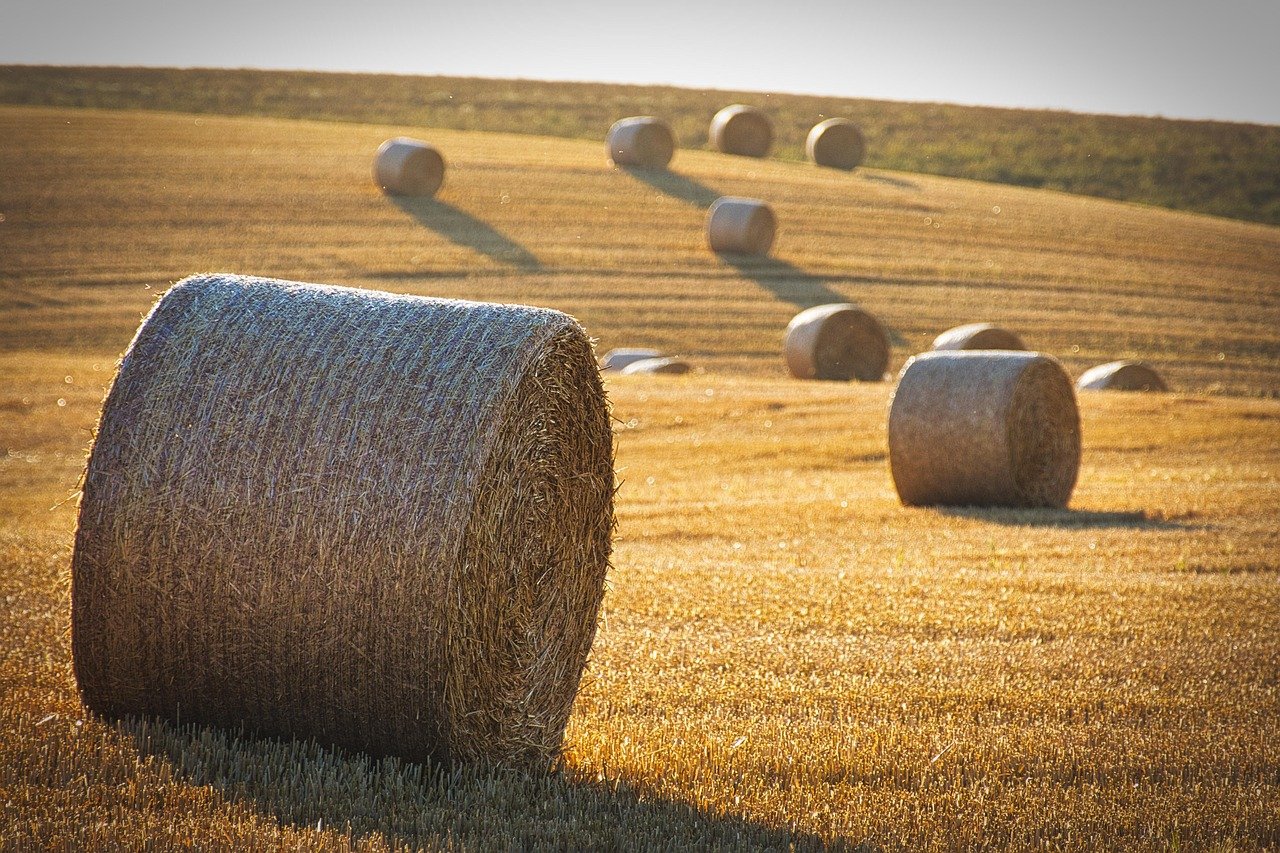
Sorghum and barley are the lesser-known grains in the field-crop group. Both appear in Table 24 alongside wheat and corn, so the county tables show where each is concentrated. They suit readers comparing grain options, but a regional claim for either is best taken from the county values rather than from general assumption. Reading the county rows directly avoids pinning a crop to the wrong part of the state.
Potatoes in the San Luis Valley
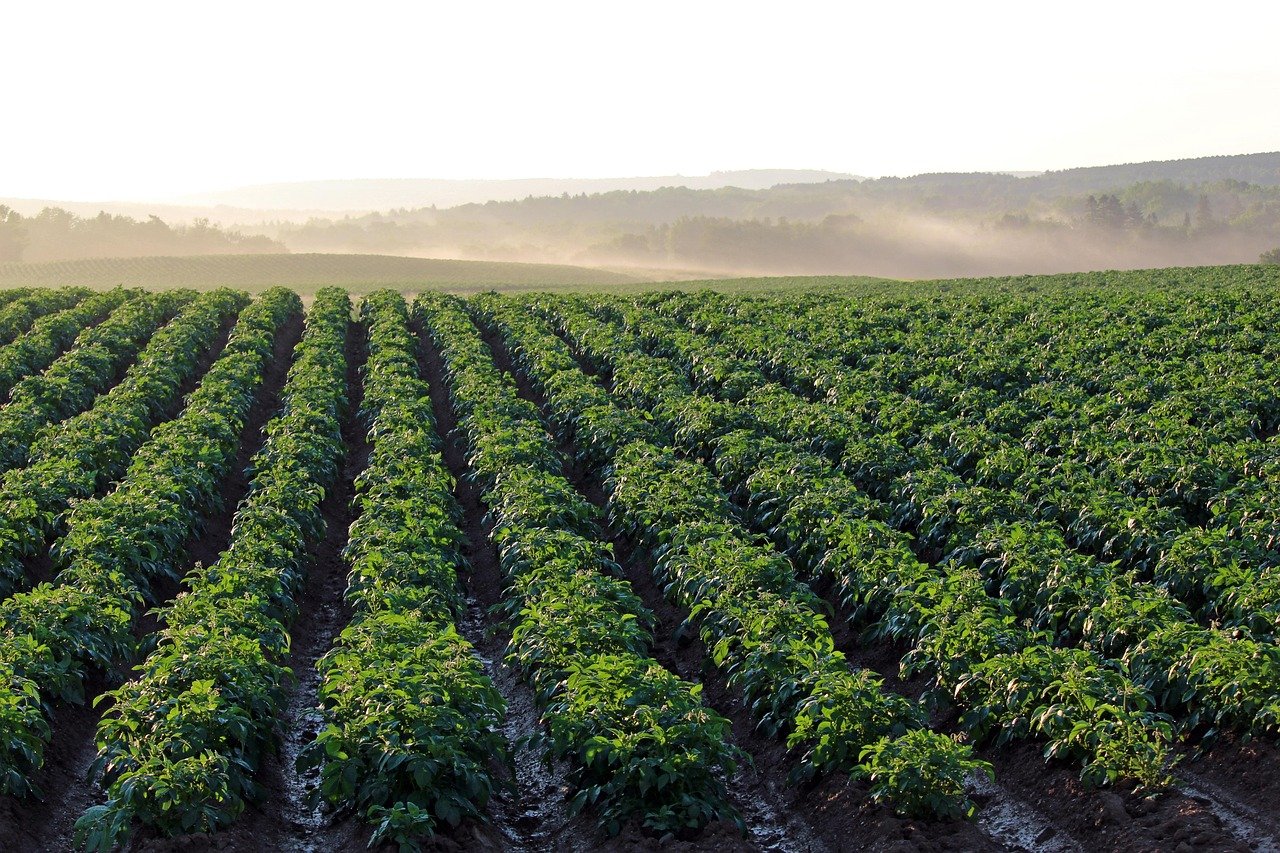
Potatoes are tied to the San Luis Valley, the high valley in south-central Colorado. Potatoes suit readers interested in a crop concentrated in one distinct region rather than spread across the state like hay. Because they are a specialty vegetable crop with their own harvest figures, they are listed separately from the grains in Table 24.
Sunflowers
Sunflowers round out the field-crop group named in the Census’s selected crops list. They suit readers looking for an oilseed alternative to the cereal grains. As with sorghum and barley, the county rows in Table 24 show where harvested sunflower acres are located, which is more dependable than assuming a region.
Peaches and other tree fruit on the Western Slope
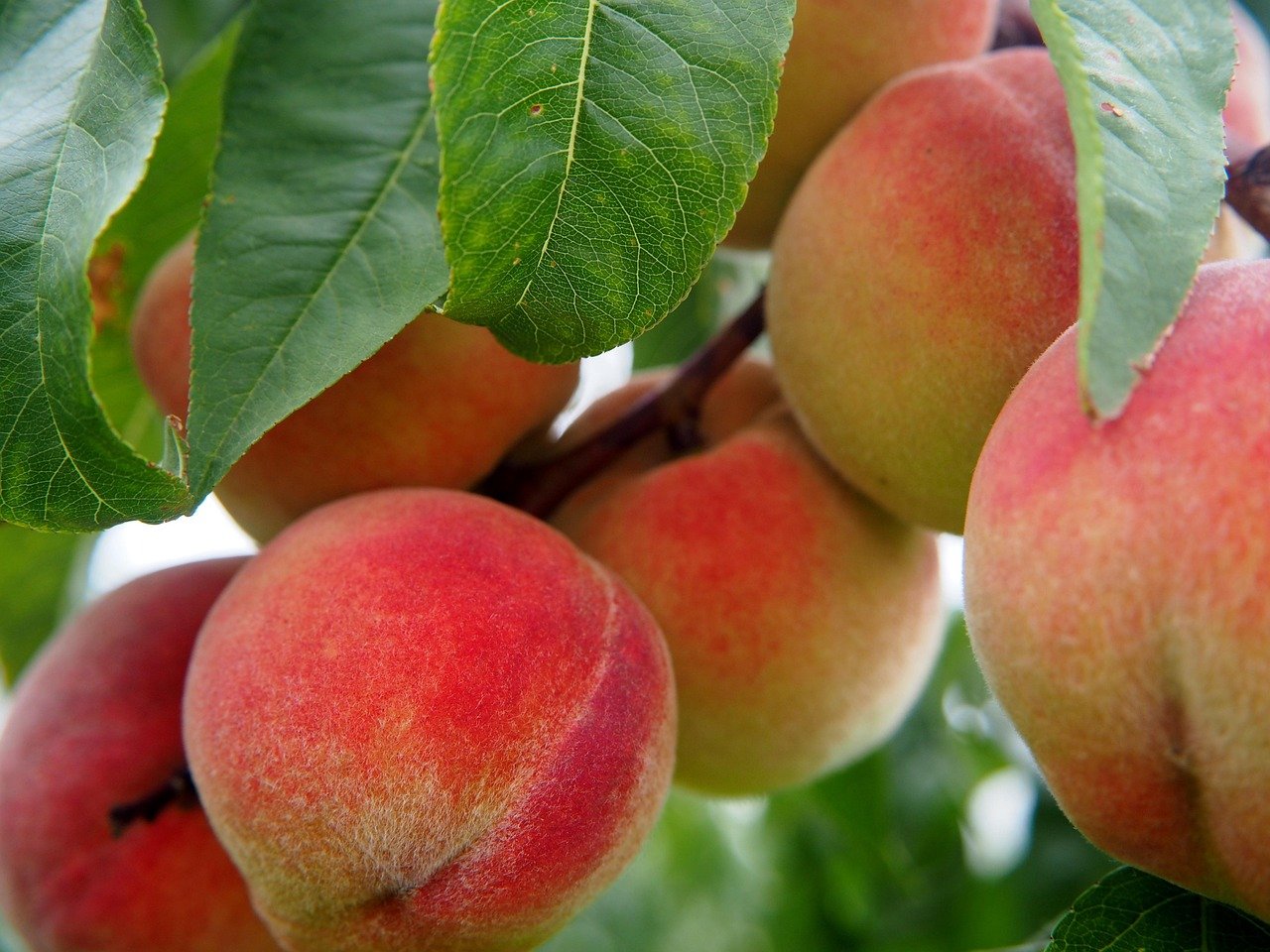
Peaches are Colorado’s signature fruit, and Palisade on the Western Slope is the place most associated with them. This answers a common question about what Colorado is known for growing: peaches from the west, potatoes from the San Luis Valley, and grain and corn from the plains. Fruit suits readers who want a high-value specialty crop, though it covers far less ground than field crops.
Crops compared at a glance
| Crop | Region most associated | Census table | Planning use |
|---|---|---|---|
| Wheat | Eastern Plains | Table 24 | Check harvested acres for the broad-acre grain picture |
| Corn | Northeastern Colorado, irrigated | Table 24 | Use when studying irrigated cropping |
| Hay | Found across the state | Table 26 | Use to link crops to livestock feed |
| Sorghum, barley, sunflowers | Read from the county rows | Table 24 | Locate concentrations county by county |
| Potatoes | San Luis Valley | Table 24 | Use for a single-region specialty crop |
| Peaches and tree fruit | Western Slope, including Palisade | Table 31 | Identify the top fruit counties |
The table names come from the Census of Agriculture county-level tables for Colorado, published by NASS.
Crop sales versus livestock sales
It lets readers see how sales split between the two sides and how that split changed between the two Census years. Hay is the bridge: it counts as a crop but is largely grown for animals, so a crop-versus-livestock comparison should be read with that overlap in mind.
Finding exact crop production statistics
For current numbers, use NASS Quick Stats. The tool lets users customize a query by commodity, location or time period, so a reader can pull Colorado wheat, corn or potato figures for a chosen year. The Census tables above suit county-level questions, while Quick Stats suits year-by-year comparisons.
- Choose the question first. A county comparison points to the Census tables. A trend over time points to Quick Stats.
- Match the year. Compare crops only within the same year, since the tables cover 2022 and 2017.
- Keep acres and dollars apart. A crop with many harvested acres is not automatically the top seller, and a specialty crop such as fruit can matter more in sales than in acreage.
Readers focused on how these crops are produced without conventional inputs can continue with organic farming in colorado.
Frequently asked questions
Is hay really a crop in Colorado?
Yes. The Census groups hay with forage, field seeds and silage in Table 26, and it is grown widely because it feeds livestock.
Where can the top peach-growing counties be found?
Table 31, covering fruits and nuts for 2022 and 2017, lists fruit data by county. Palisade on the Western Slope is the place most associated with Colorado peaches.
What is Colorado known for growing?
Peaches from the Western Slope, potatoes from the San Luis Valley, and grain and irrigated corn from the plains are the best-known associations.
Which agency publishes Colorado crop statistics?
The USDA National Agricultural Statistics Service publishes both the Census of Agriculture tables and the Quick Stats database.