| Situation | What to use | Key condition | Planning use |
|---|---|---|---|
| Choosing a first market | Colorado Farmers Market Association map and the state’s 2026 Colorado Farmers’ Market Locations list | Over 120 markets statewide; map filters cover County, Market Day(s), Months Open and Programs | Filter by county and market day first, then compare months open. |
| Buying peaches by the case | Ask vendors about full cases | August, sometimes into September | Plan preserving trips for August rather than the shoulder months. |
| Buying tomatoes | Market stalls | August through the first frost, generally but not always mid-October | Treat mid-October as a typical end, not a guarantee. |
| Stocking up for cold months | Bulk onion, squash and other storage crops | October and November | Buy storage crops in autumn rather than waiting for winter. |
| Starting a garden | Plant starts and seeds at the market | April, May and early June | Spring visits suit gardeners, not cooks. |
| Paying with SNAP | EBT swipe at the market information booth | $1 in Double Up Food Bucks per $1 of SNAP spent, up to $20 per visit | Visit the booth before shopping at stalls. |
| Wanting a regular share | CDA’s Community Supported Agriculture resource and Find Colorado Products page | Listed on the CDA Markets Division page | Start from the state listings, then compare farms. |
Figures above come from the Colorado Farmers Market Association and the Colorado Department of Agriculture Markets Division.
Colorado farmers markets number over 120 statewide, and the right one depends on the season, how you pay and whether you want a single trip or a weekly share.
For the wider picture of how food reaches these stalls, see the overview of colorado agriculture. The sections below are grouped by what a shopper is trying to do.
If you are choosing where to shop
The Colorado Farmers Market Association says there are over 120 farmers markets across Colorado, so the practical task is narrowing the list. Two official tools do that, and a third covers farm stands beyond markets.
Association map with filters
The Colorado Farmers Market Association map lets shoppers search by County, Market Day(s), Months Open and Programs. It suits anyone who knows the weekday they are free, because market day and months open decide whether a market is usable at all. The Programs filter is the place to start when benefits matching matters.
State location list and Farm Fresh map
The Colorado Department of Agriculture Markets Division publishes a 2026 Colorado Farmers’ Market Locations list and a 2026 Farm Fresh Interactive Map. The Markets Division describes its mission as increasing marketing and processing opportunities for Colorado agriculture, so these lists are built around producers selling directly. The printed-style list suits planning a route, while the interactive map suits browsing from a phone.
The Colorado Proud Farm Fresh Directory Map goes wider than markets. It covers hundreds of farmers markets, u-picks, roadside stands, wineries and more. A state library blog describes the directory as published for nearly 40 years in English and Spanish, with regional lists of farms and markets. Choose it over a markets-only list when a roadside stand or u-pick is the goal.
If you are timing your shopping by season
Availability follows the crop calendar, and the market season is not a single block. The Colorado Farmers Market Association points shoppers to the Colorado Produce Calendar from the Colorado Fruit and Vegetable Growers Association as a reference for what is ready when.
Spring: plant starts and seeds
Spring markets suit gardeners. The Association notes that plant starts and seeds are sold at markets in April, May and early June. A shopper who only wants produce can wait for later months.
Late summer: peaches and tomatoes
August is the key month for two crops. Palisade peaches are among the best-known Colorado products, listed alongside Olathe sweet corn, Rocky Ford melons and Pueblo chiles in a state library summary of the Farm Fresh Directory. The Colorado Farmers Market Association suggests asking about full cases of peaches in August, and sometimes into September. Tomatoes run from August through the first frost, which is generally but not always mid-October.
Autumn: storage crops
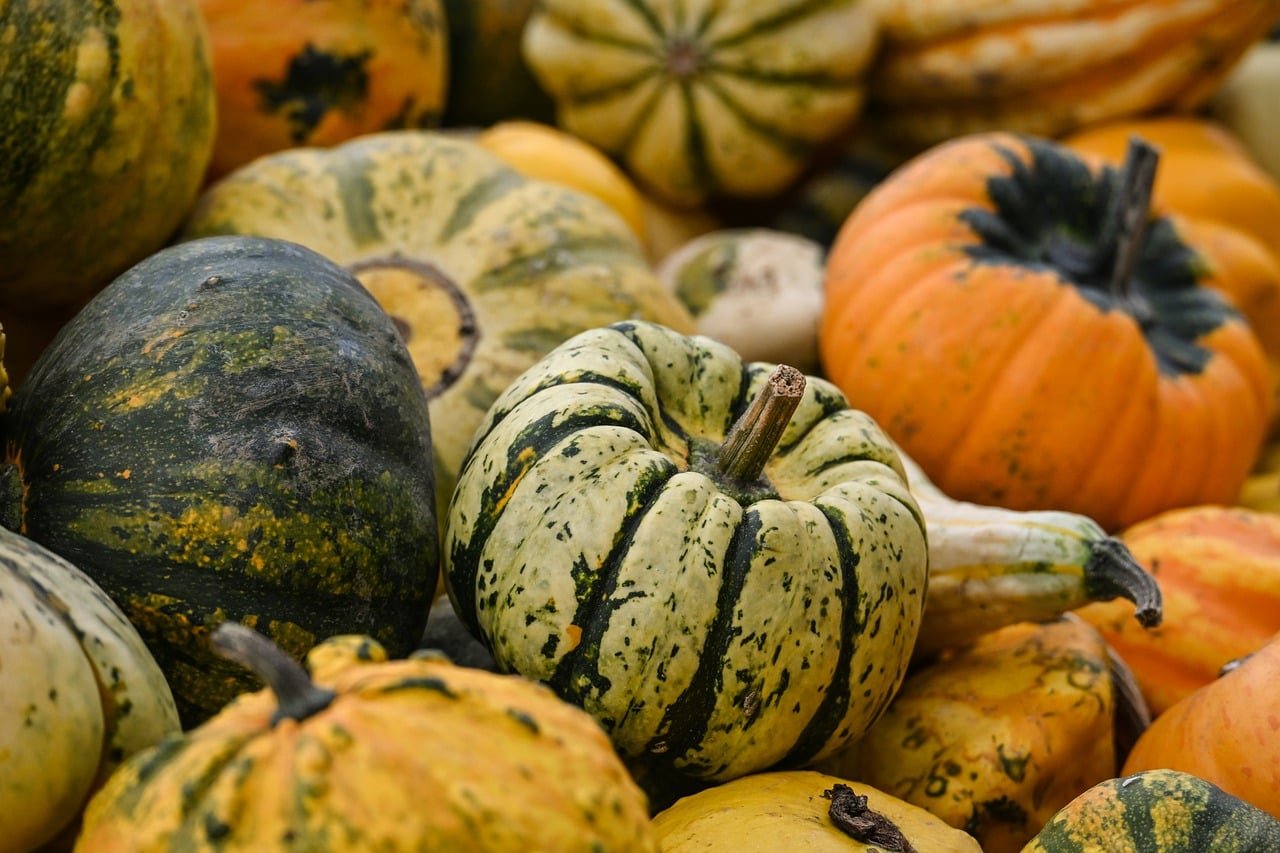
Late in the year the emphasis shifts to produce that keeps. The Association suggests asking about bulk onion, squash and other storage crops at markets in October and November. This is the best window for a shopper who wants to fill a pantry before winter.
If you are shopping with SNAP benefits
Colorado markets can stretch SNAP dollars, but acceptance and bonus programs are not identical everywhere. Check the Programs filter on the Association map and then confirm with the market itself.
Using an EBT card
According to the Colorado Farmers Market Association, a SNAP shopper swipes an EBT card at the market information booth for the amount they want to spend. Vendors then take market tokens. Decide the amount before visiting the booth, since the swipe is for a set spend at that market.
Double Up Food Bucks
- Match rate: for every dollar spent with SNAP, the shopper receives $1 in Double Up Food Bucks.
- Visit cap: the bonus is up to $20 per visit, so the match is a ceiling per trip rather than a target to reach every time.
- Best fit: households buying fruit and vegetables regularly, who can spread purchases across several visits.
If you want a CSA share
Community supported agriculture lets a household subscribe to a farm for regular produce, instead of choosing stall by stall. The Colorado Department of Agriculture lists Community Supported Agriculture and a Find Colorado Products page as resources on its Markets Division page. Those listings are the natural starting point for Colorado CSA farms.
Choosing between a share and a market
- Pick a CSA if you prefer one regular arrangement with a single farm and are happy to cook what the season supplies.
- Pick a market if you want to choose items, buy by the case or compare vendors on the day.
- Use both when a share covers the basics and the market fills gaps, such as plant starts in spring or bulk storage crops in autumn.
The crop calendar above is a reasonable guide to what a share can hold at different points of the year. Ask a farm directly about its season before committing.
If you want to confirm food is local
Buying at a market does not by itself prove every item was grown nearby, so a few checks help. For wider figures on the farms behind these products, see the colorado agriculture statistics guide.
Colorado Proud logo
Colorado Proud is a program of the Colorado Department of Agriculture that connects local producers with shoppers. It advises looking for the Colorado Proud logo when shopping at local grocers. This suits supermarket shoppers, who cannot ask the grower.
Questions for vendors
At a market, ask the vendor directly. The Colorado Farmers Market Association suggests asking: do you grow or raise everything you sell? If not, who grows it, and where? A clear answer is more useful than a sign. Shoppers who also care about growing methods can read organic farming in colorado, which treats that as a separate question from distance.
If you want farm to table dining
Farm to table restaurants build menus around ingredients from nearby producers. The same producers appear in the Colorado Proud directory, which includes wineries alongside markets and stands.
Eating out
The origin question that works at a stall also works at a restaurant. Ask which farms supply a dish, and treat a named farm or a named product, such as Palisade peaches in summer, as a stronger signal than a general claim about local sourcing.

Cooking at home
Home cooks can follow the same logic by building meals around whatever the calendar says is peaking. Late-summer tomatoes and August peaches reward a quick visit, while autumn storage crops reward a larger one.

Frequently asked questions
| Question | Answer |
|---|---|
| What is Colorado Proud? | It is a program of the Colorado Department of Agriculture that connects local producers with consumers, and it runs the Farm Fresh Directory Map. |
| What does the CDA Markets Division do? | Its stated mission is to increase marketing and processing opportunities for Colorado agriculture, and it publishes the annual market locations list on its Markets Division page. |
| Do markets sell only fruit and vegetables? | No. A state library summary notes that markets are also places to buy and sell cottage foods such as spices, teas, jams, honey and baked goods. |
| Is the Colorado Produce Bonus available at every market? | No. The Colorado Farmers Market Association describes it as a new pilot program available at a few markets in its first year, with expansion planned for the following year. |