Quick answer: how to start a hemp farm begins with a license, not seed. Contact your state department of agriculture, get licensed under a state, tribal or USDA program, and line up a buyer before you plant.
This beginner checklist sits under the wider guide to industrial hemp farming. It follows one crop year from paperwork to first sale. For what happens in the field after planting, see hemp growth stages.
Choices to make before you apply
Four decisions shape the rest of the first year. Make them in this order, because each one narrows the next.
- Program path. Under the USDA final rule, as summarized by Hodgson Russ, a producer must be licensed or authorized under a state, tribal or USDA hemp program. USDA recommends that producers first contact their state department of agriculture or tribal government, so that call decides which route applies to you.
- Scale. A small plot suits a first crop. It keeps the sampling and harvest steps described below manageable, and it limits what you lose if a lot fails testing. Scale up only after one crop has cleared testing and been sold.
- End market. Decide who will buy the crop before choosing a variety. Seed, harvest method and drying all follow from the buyer’s specification.
- Budget. Price the license, seed, sampling, lab testing and a contingency for a failed lot before committing land. The business plan section below lists the lines to include.
With those choices made, the table below puts the compliance checkpoints in the order a first-year grower meets them.
First-year checkpoints at a glance
| Checkpoint | Requirement | Planning use |
|---|---|---|
| License | Licensed or authorized under a state, tribal or USDA hemp program; licenses are non-transferable | Apply before buying seed, in the name of the person who will run the crop. |
| Site details | Street address and geospatial location of each production site | Gather field location data before filling in the application. |
| Acreage report | Report hemp acreage to the Farm Service Agency within 30 days of planting | Put the deadline in the calendar on planting day. |
| THC sample | Collected by a USDA-approved agent, no more than 30 days before harvest, from the top 5 to 8 inches of the main stem | Book an agent before the crop nears harvest. |
| Harvest | Harvest no later than 30 days from sample collection | Have labor, equipment and drying space ready before sampling. |
| Testing lab | After December 31, 2022, labs must be registered with the DEA | Confirm a lab’s DEA registration before sending a sample. |
| THC level | 0.3 percent hemp THC level is the acceptable limit | Treat it as a ceiling to stay under, not a target to approach. |
These figures come from Hodgson Russ’s summary of USDA’s final rule for domestic hemp production.
Licensing and registration
Yes, you need a license to grow hemp. Every producer must be licensed or authorized under a state, tribal or USDA program. Producers growing hemp for research also have to obtain a USDA hemp production license, according to Hodgson Russ.
Start with a call or visit to your state department of agriculture, or your tribal government, and ask four things: which program covers your land, what the application requires, what fees apply and how long approval takes. Fee schedules and processing times are set by the licensing agency, so take them from that agency directly rather than from a general guide.
Expect to describe where you will grow. Licensees must provide a street address and geospatial location for each production site, so decide which fields you will use before you apply. A license is also non-transferable. If a partner or relative will run the crop day to day, the application should name that person, not whoever happens to own the land.
Once the license is in hand and the crop is planted, the acreage report to the Farm Service Agency follows within the window in the table above. Seed is the next purchase.
Seed and variety choice
No single hemp type is right for every beginner. The sensible choice is whichever type your buyer has asked for, grown from one variety at modest scale. Trialing several varieties in a first year splits your attention across more testing and harvest decisions.
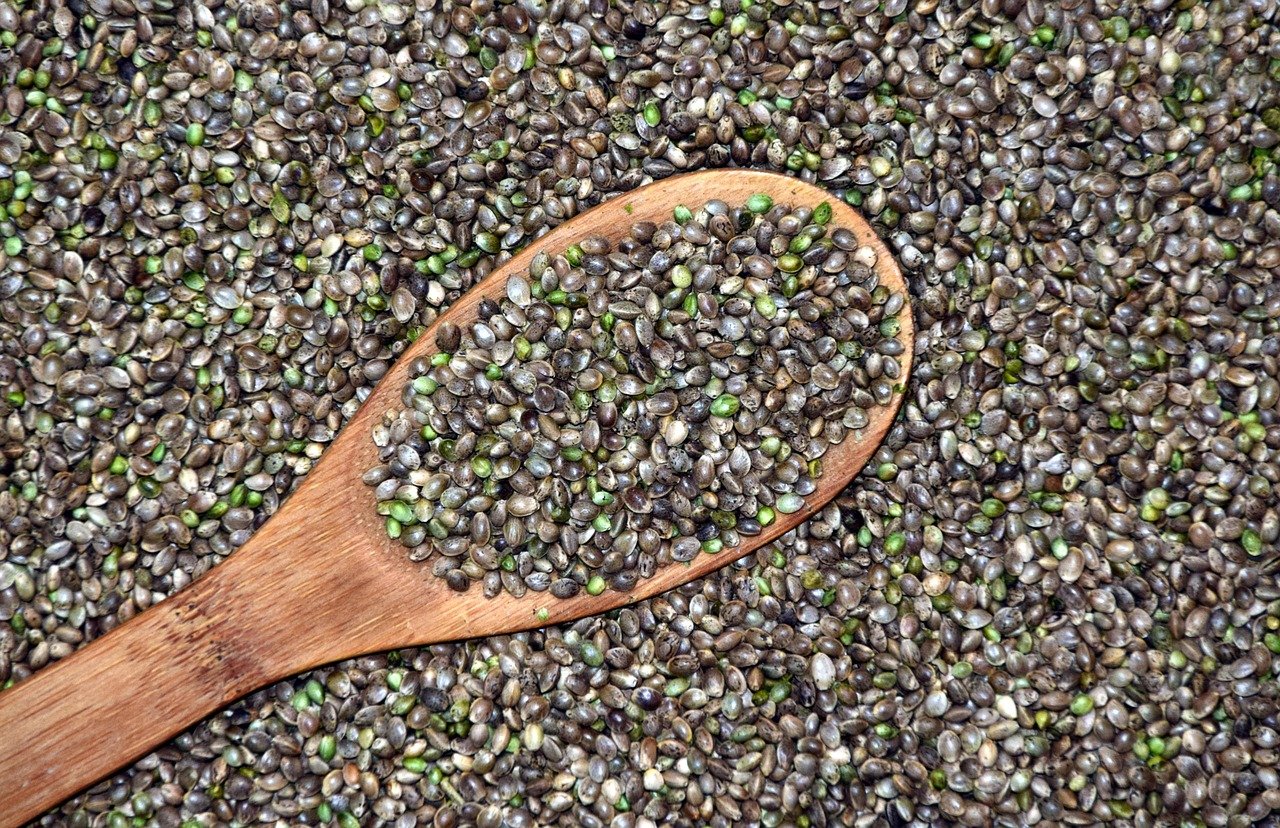
Buy certified hemp seed from a supplier that can document what you are getting, and keep those records with your license file. Ask the state department of agriculture whether it has any seed requirements before you order. For comparing varieties, USDA’s Hemp Descriptor and Phenotyping Handbook was updated to version 3.0, and Marijuana Moment reports that it has expanded sections on seed evaluation and fiber quality. It is a useful reference when a seed seller describes traits you want to check.
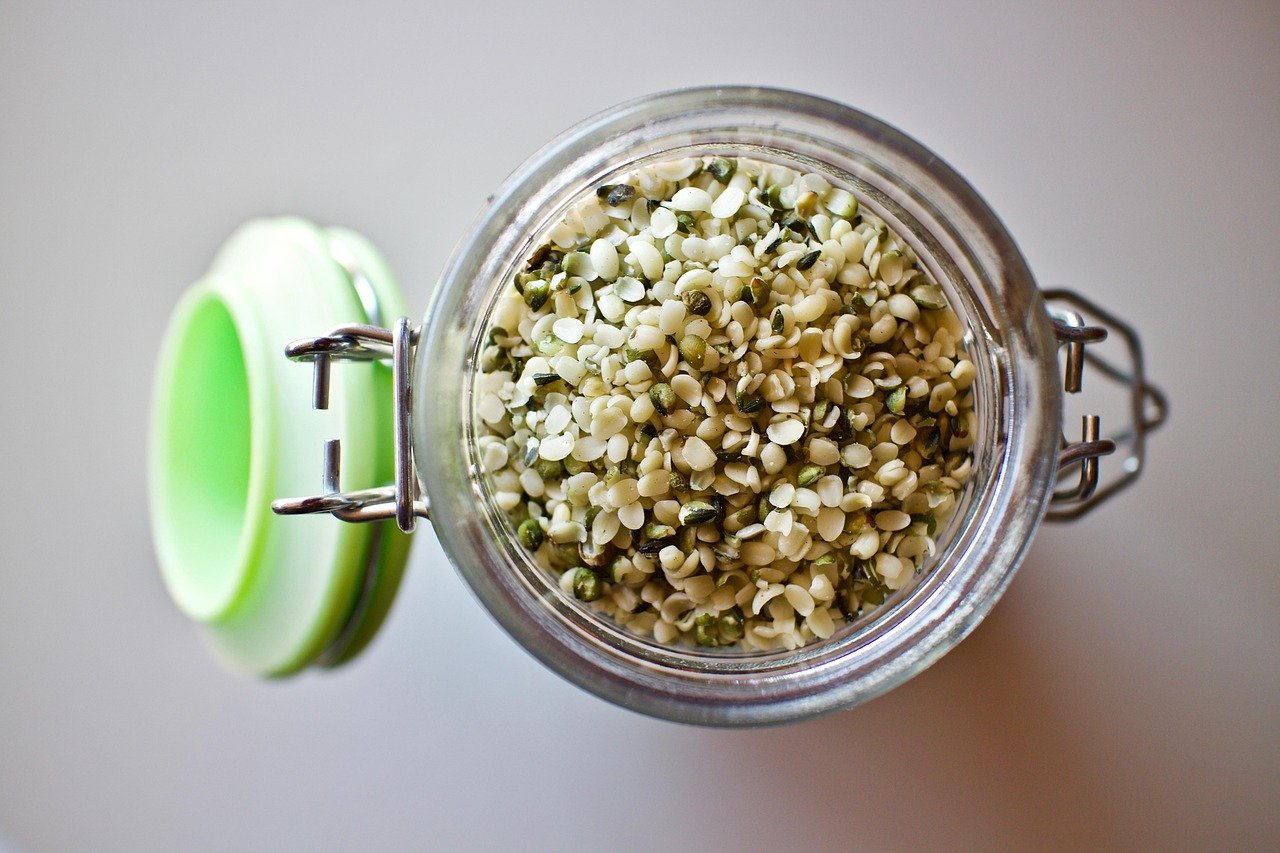
THC compliance testing and harvest timing
Hemp has been federally legal only since the 2018 Farm Bill, as Marijuana Moment notes. The federal line separating hemp from non-hemp is the 0.3 percent hemp THC level in USDA’s final rule. A crop that exceeds it is non-compliant.
The same summary describes a negligence safeguard. A grower is not treated as negligent when total THC is no more than 1.0 percent on a dry weight basis. That is a protection against a negligence finding, not a level a crop may reach and still count as compliant hemp.
Testing follows a fixed sequence:
- Book a sampling agent. Samples must be collected by a USDA-approved agent, because producers cannot collect their own.
- Allow for sample timing. The sample is taken no more than 30 days before harvest, by cutting the top 5 to 8 inches from the main stem.
- Use a registered lab. After December 31, 2022, licensees must use laboratories registered with the DEA.
- Harvest on time. Producers must harvest no later than 30 days from sample collection.
Because sampling starts a clock, a small plot that one crew can cut in a short push is easier to run than a field that needs weeks. The harvest step also decides when drying space and a buyer need to be ready, which leads into the sales side.
Buyer, budget and business plan
Finding a buyer before planting is the step beginners most often skip. Get a written purchase commitment that names the variety or type, the expected quantity, delivery terms, price and what compliance paperwork the buyer wants. A verbal interest is not enough to justify a planting decision.
Market conditions justify the caution. Marijuana Moment attributes the hemp sector’s downturn to the lack of FDA regulations on marketing hemp derivative products. A grower selling into derivative-product markets should expect buyers to be cautious and should ask them how they plan to handle that uncertainty.
A first-year hemp farming business plan can stay short if it covers these lines:
- Licensing costs. The application fee and any renewal, taken from the agency that licenses you.
- Seed and field work. Seed from a documented supplier plus soil, planting and weed control.
- Compliance costs. The sampling agent and a DEA-registered lab.
- Harvest and storage. Labor, drying and a place to hold the crop until delivery.
- Loss contingency. Money set aside for a lot that fails testing, plus hemp crop insurance if it is available to you.
Keep the plan to one crop and one buyer. The aim of year one is a compliant, sold crop and a paper trail you can repeat.
First-year mistakes and what to do about them
Most first-year problems come from sequence, not from growing skill. Watch for these:
- Buying seed or planting before the license is settled. The license is the first requirement, and it is non-transferable, so a mismatch in whose name it is under cannot be fixed by handing it over later.
- Forgetting the acreage report. It falls due after planting, when field work dominates, so schedule it as soon as seed goes in.
- Trying to sample your own crop. Producers cannot collect their own samples, so a self-collected sample is not a compliance test.
- Letting a sampled crop wait. The harvest deadline runs from sample collection, so equipment and labor have to be ready before the agent arrives.
- Having no plan for a failed lot. Hodgson Russ describes the options for non-compliant plants: disposal through a DEA-registered reverse distributor or law enforcement, on-site disposal, or remediation. Decide which you would use before planting.
- Treating violations casually. A licensee who negligently violates the license three times in a 5-year period has the license revoked, with a five-year bar.
If a test result goes badly, contact your licensing agency before moving or selling the crop, and use the disposal or remediation route it permits.
Frequently asked questions
How long does a USDA hemp license last?
A USDA-issued license is valid until December 31 of the third year after issuance. It can be renewed by applying before it expires. USDA accepts applications on a rolling basis, so there is no single annual window.
Can a past conviction stop you getting a hemp license?
It can. Under the USDA rule, an applicant convicted of a felony related to a controlled substance in the last 10 years is disqualified.
Is hemp farming legal everywhere in the US?
Hemp was federally legalized under the 2018 Farm Bill, according to Marijuana Moment. Growing still requires a license or authorization under a state, tribal or USDA program, so check with your state department of agriculture first.
Do hemp research growers need a license too?
Yes. Producers who grow hemp for research must also obtain a USDA hemp production license, per Hodgson Russ’s summary.