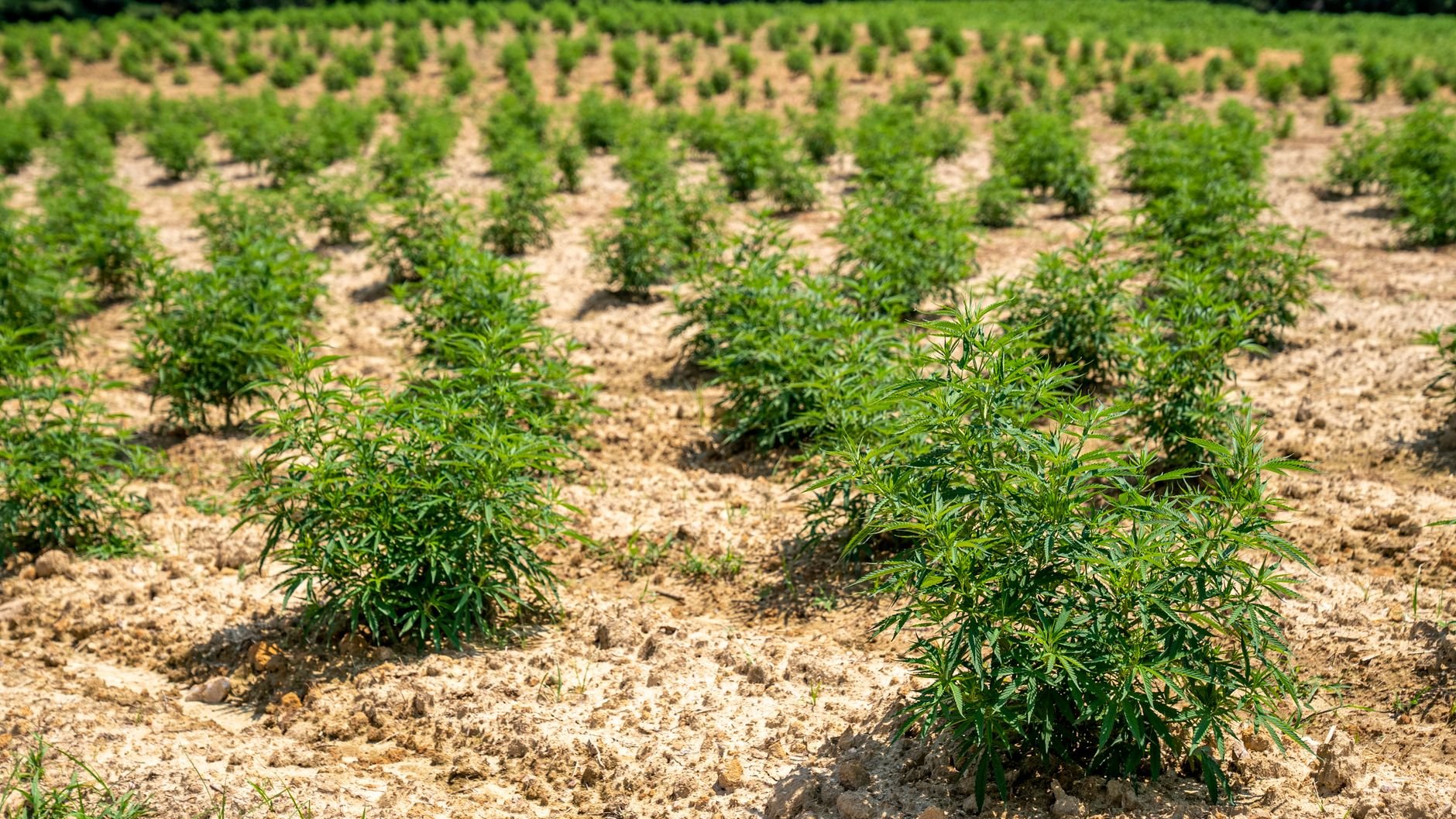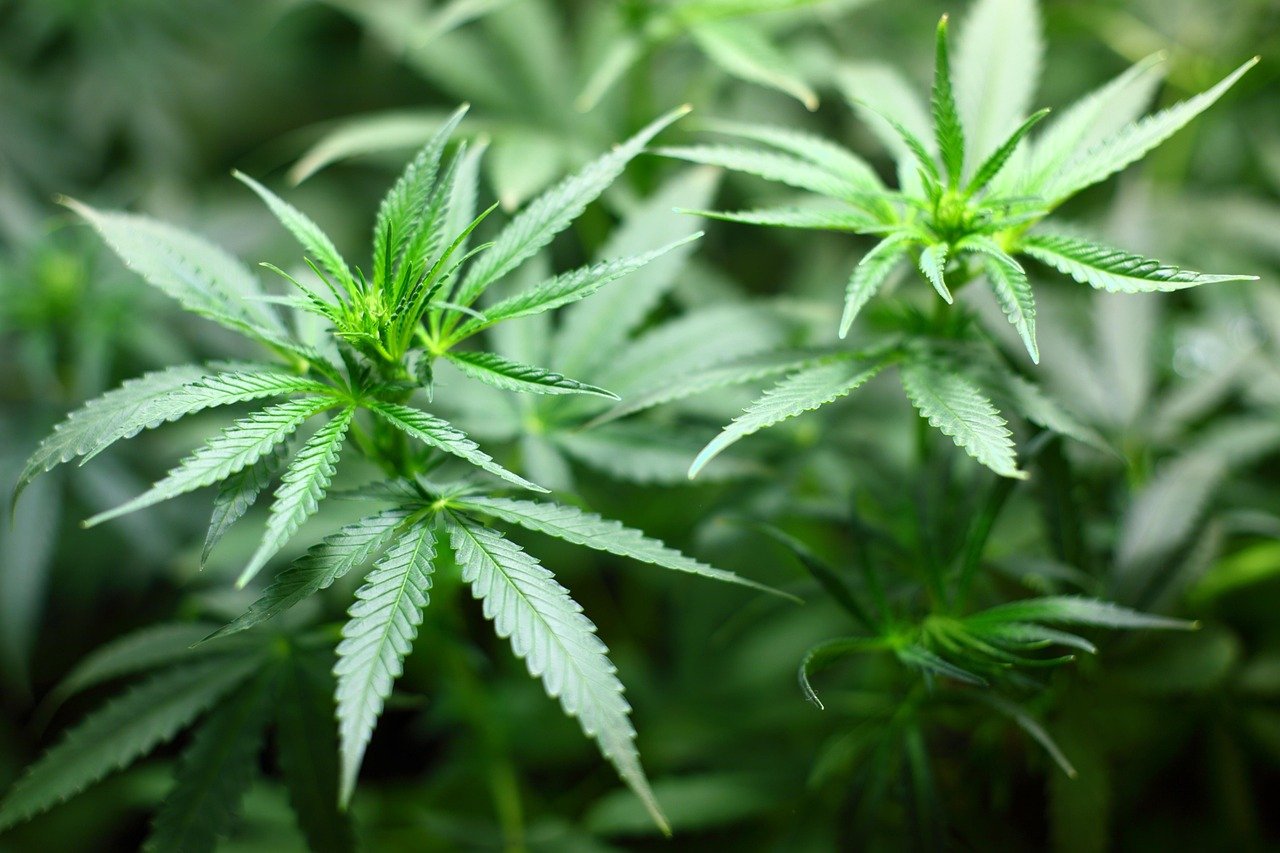
| Stage | Typical timing | What the plant is doing | Planning use |
|---|---|---|---|
| Germination | 1–7 days or 3–10 days, depending on the guide; 21 to 26 °C suits germination | The dormant seed takes up water and light cues, sends out a root, then pushes the stem tip above ground | Time sowing around warmth, because seeds can be damaged or die at low or freezing temperatures |
| Seedling | 2–3 weeks | Cotyledons open, then leaves gain more blades | Expect a slow, small-plant phase before vigorous growth |
| Vegetative | 2–8 weeks; around 4 weeks for autoflowering types | Leaf and stem growth, with sex becoming visible at the end | The most variable stage, so it absorbs most of the difference between varieties |
| Flowering | 8–11 weeks; 18–26 °C is a warm, suitable range | Pistils form on females and flowers develop | Triggered by day length for most plants, so the calendar and latitude matter |
| Whole cycle | 4 to 8 months, depending on location | Seed to mature plant | Check that the full span fits the growing season of the site |
Stage timings come from cannabis growing guides by Mr. Hanf and Amsterdam Seed Center. Both treat the figures as estimates that shift with strain and conditions.
Hemp growth stages run from germination through seedling, vegetative and flowering phases, and variety and day length set the pace. Treat every day count as a planning estimate, not a promise.
This timeline sits inside the wider crop cycle described in our guide to industrial hemp farming. The sections below tie each stage to what the plant is doing and what that means for decisions.
What the timeline means for planning
Each stage carries a different risk and a different decision, so the order of events matters more than any single day count. Growers who are still working out sowing dates and acreage can pair this timeline with the guide on how to start a hemp farm. The main consequences are these.
- Variety decides what triggers flowering. Most plants wait for the days to shorten. Autoflowering types change stage by themselves after a vegetative stage of around 4 weeks, according to Amsterdam Seed Center. Choose a light-triggered variety if you want flowering timed by the season, and an autoflowering one if you want it timed by plant age.
- Location sets the season you need. Mr. Hanf puts the time to maturity at 4 to 8 months depending on location. A site with a short season leaves little room for a slow variety.
- Cold is a risk at the start. Seeds can be damaged or die if exposed to temperatures that are too low or below freezing. An early sowing date is only an advantage if the soil and air are warm enough.
- Sex shows late. Hemp is typically dioecious, with male and female organs on separate plants. Females develop two white pistils and males develop pollen sacs as plants leave the vegetative stage, and the onset of flowering is the last chance to remove males or hermaphrodites.
The detail behind these points begins with the seed.
Germination and the seedling stage
A hemp seed stays dormant until it is exposed to light and water, per Mr. Hanf. That guide puts germination at 1–7 days, while Amsterdam Seed Center gives 3–10 days and a germination temperature of 21 to 26 °C. The two ranges overlap, so a week is a sensible expectation. Slow emergence outside that window is a cue to look at temperature first.
After the root forms, the tip of the stem emerges from the ground within a few days. Two cotyledons, the seed lobes, then open to catch the first light. The first true leaves have only a single ridged blade, and later leaves gain more blades. That change in leaf shape is the easiest visual marker that the plant has moved beyond its seed reserves.
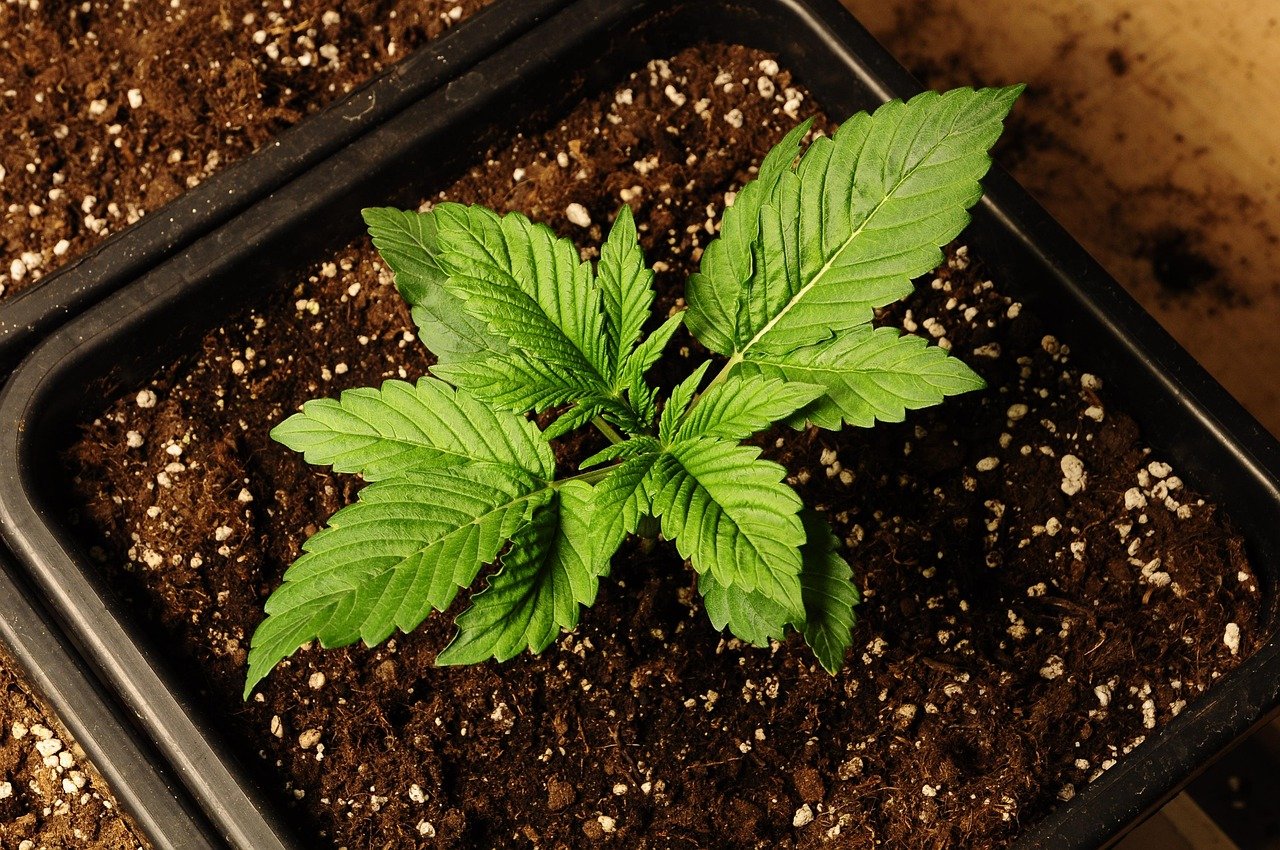
The seedling stage lasts 2 to 3 weeks in both guides. Plants are small and growth looks slow, but this is when the first leaves set up the canopy that drives the next stage. Guidance on hemp seedling care is mostly about protecting this fragile phase from the cold and wet extremes that kill seeds and young plants.
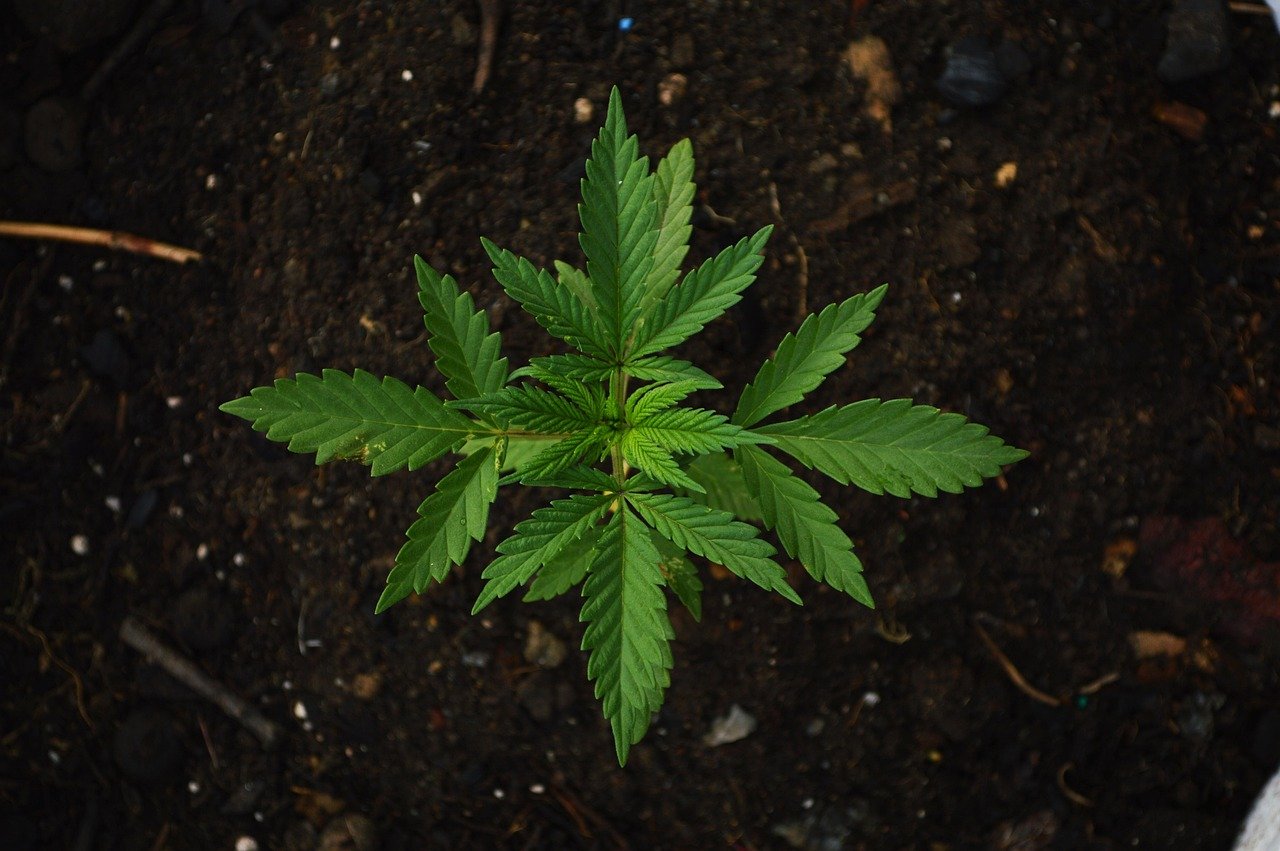
The vegetative stage
The vegetative stage is the most variable part of the cycle, with Mr. Hanf giving 2–8 weeks. The plant puts its energy into leaves and stems here, so the length of this stage largely decides how large the plant is before flowering begins. Autoflowering types are the exception: Amsterdam Seed Center describes a stage of around 4 weeks, after which the plant changes stage automatically.
A wide range means that comparing your own crop against one fixed day count is unreliable. Strain, environment and growing conditions all move the end date. Watch for the physical signal instead: as plants leave this stage, females begin developing two white pistils and males begin developing pollen sacs.
Management choices such as topping hemp plants are made in this growth phase, before flowering starts, and the dedicated guide on topping hemp plants covers the technique itself.
When hemp starts flowering
Hemp starts flowering when the light cycle changes. Outdoors, Amsterdam Seed Center says the stage is initiated by the shortening of days after the summer solstice has passed. Indoors, the equivalent is a photoperiod of 12 hours of light and 12 hours of complete darkness.
This is why photoperiod is the central idea in the timeline. For plants that respond to day length, the onset of flowering follows the season’s light, not only the plant’s age. A plant sown early gets a longer vegetative stage, and a plant sown late may have less time before the days shorten. Autoflowering varieties break that link by switching on their own schedule.
Once flowering begins, Mr. Hanf gives a flowering phase of 8–11 weeks. Amsterdam Seed Center describes warm temperatures of around 18–26 °C for this stage. Pistils on the females are the visible sign that flowering has started.
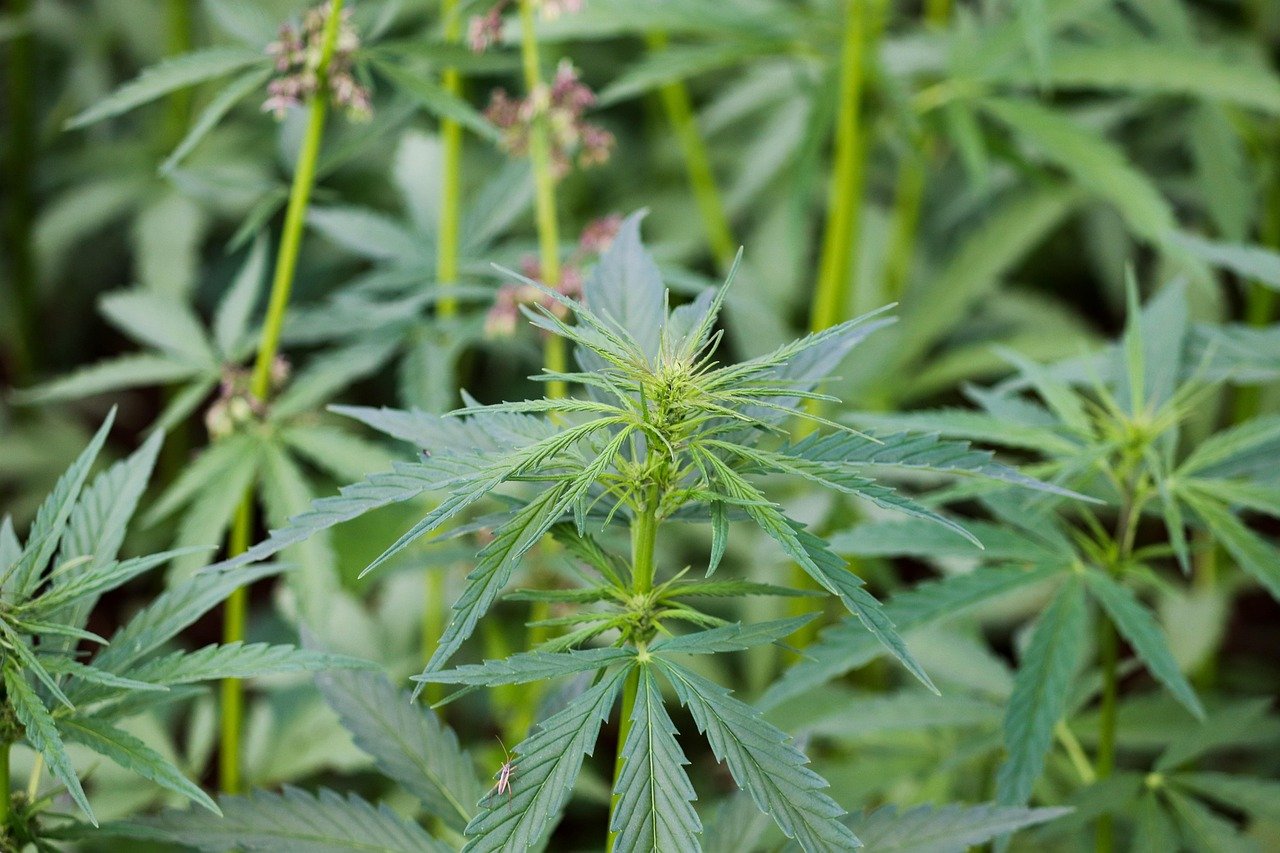
Days to maturity by variety
Days to maturity depend on how long the plant stays vegetative and how long it takes to finish flowering, and both change by variety. Amsterdam Seed Center gives flowering lengths by cannabis type: indica about 8 weeks, up to 10; sativa up to 10–12 weeks; and hybrids 6–10 weeks. Add the vegetative stage and the picture splits further, because autoflowering types commit after around 4 weeks while light-triggered types can stay vegetative for as long as the season allows.
Across the whole cycle, Mr. Hanf reports 4 to 8 months depending on location. These descriptions come from cannabis guides, so for a specific industrial hemp cultivar the breeder’s listed days to maturity are the better planning figure. Use the ranges here to judge whether a listed maturity is short, typical or long for the type.
Frequently asked questions
Can you tell a hemp seed’s sex before planting?
No. According to Mr. Hanf, there is currently no way to determine a seed’s sex through examination. Because plants are typically dioecious, sex only becomes clear when pistils or pollen sacs appear at the end of the vegetative stage.
Does light during the dark period affect flowering?
Yes. Amsterdam Seed Center calls it extremely important not to interrupt the hours of darkness for the plant to start flowering correctly, so a stray light source can disrupt the 12-hours-dark cycle used indoors.
Why do published stage lengths differ?
Mr. Hanf describes its timings as estimates that vary with the strain, and the guides cover different growing conditions. Germination is a clear example, with 1–7 days in one guide and 3–10 days in the other.