Industrial hemp farming starts with one decision: whether you are growing fiber, grain or cannabinoid hemp. That choice shapes seed, rules and harvest. Under the 2018 Farm Bill, hemp is Cannabis sativa below 0.3% THC.
Treat this guide as a decision path. Pick the crop type, confirm the legal route, then work through seed, planting, crop care, harvest and drying. Newcomers can pair it with how to start a hemp farm. Anyone unsure about their state should read is it legal to grow industrial hemp before buying anything.
Start with the crop type
Fiber, grain and cannabinoid hemp are the same species grown for different end products. An Illinois Extension presentation on hemp and cannabis in the prairie state frames production and regulation around exactly these groups: grain, fiber and cannabinoids. The crop you choose decides almost everything downstream, so settle it before you look at seed catalogues or equipment.
Four criteria separate the options in practice:
- Who will buy the harvest. Each type sells into a different market. Line up a buyer or processor for the product before committing acres.
- Regulatory load. Every type must meet the same legal THC ceiling, but state licensing and sampling arrangements are set by each program. Read your state’s rules for the specific type you intend to grow.
- Equipment and labour. Cutting stalks for fiber, threshing seed and handling flower are different jobs. Match the crop to machinery you own, can borrow or can hire.
- Seed access. Adapted varieties and certified seed are not equally easy to find for every purpose and region.
Fiber hemp
Fiber hemp is grown for the stalk. The NIMSS regional research project describes fiber for traditional textiles and rope, as well as hurd for industrial applications. This suits growers who can reach a processor that takes stalk, since the stalk is the product. If no such processor is within practical hauling reach, fiber hemp is hard to justify. The companion guide on how to grow hemp for fiber goes deeper into this path.
Grain hemp
Grain hemp is grown for seed. The same NIMSS project notes that hemp seed is consumed directly as human food and can also be processed into oil for health care products, with press cake as a further product. That gives grain hemp more than one outlet, and it suits farms already set up for annual grain crops. Hemp seed oil is a plant oil pressed from seed and should not be confused with crude oil, the fossil product covered in its own explainer.
Cannabinoid (CBD) hemp
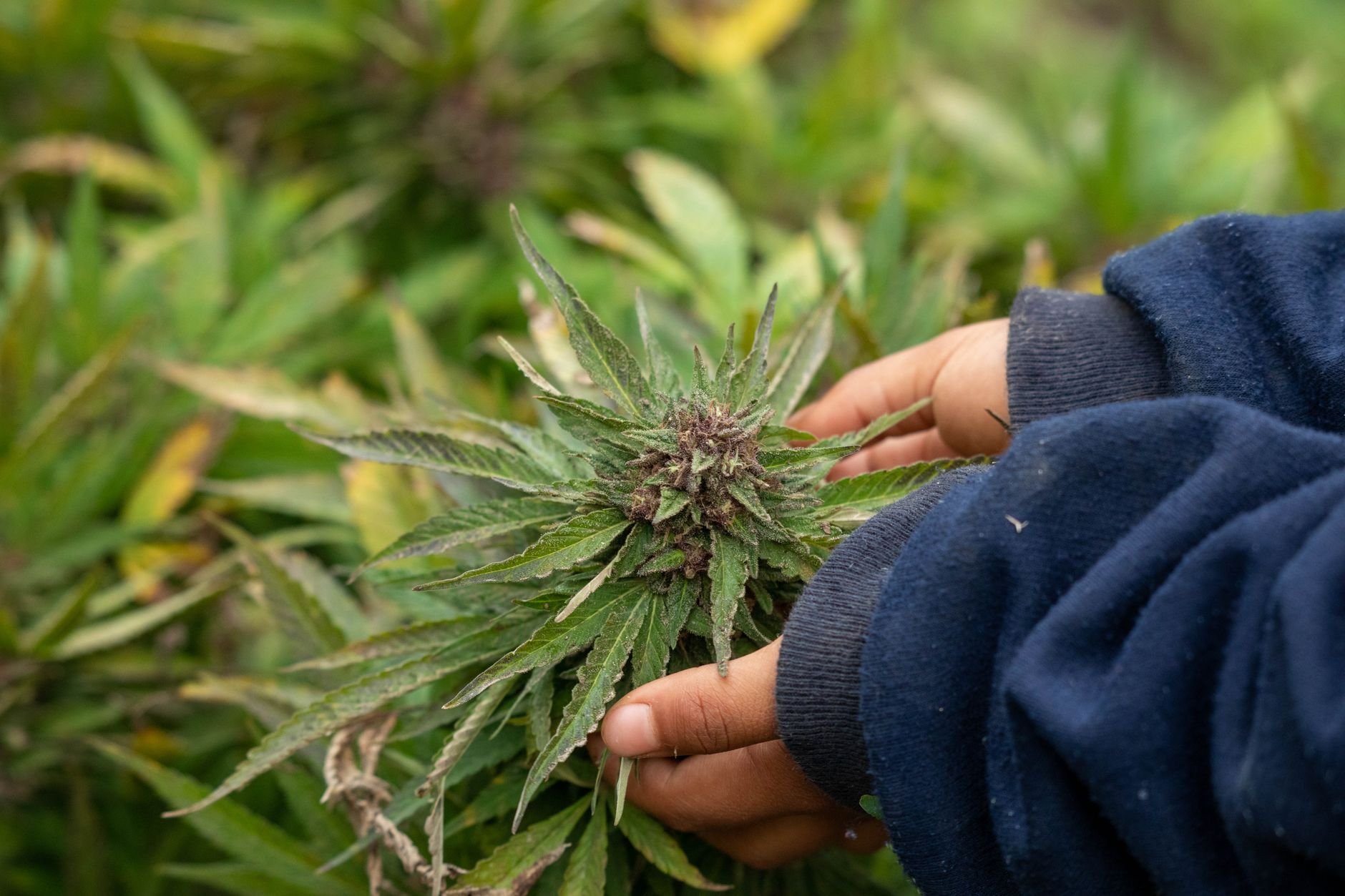
CBD hemp is grown for its cannabinoid content rather than stalk or seed. It is the type where the legal THC ceiling matters most day to day, because the plant is managed for flower. Illinois Extension lists it alongside grain and fiber as a distinct production and regulation topic, and state licensing may treat growers and processors separately. Choose it only if you are prepared to follow your state program closely and to document compliance.
Choosing between them
Pick fiber if a processor is reachable and you want a stalk crop. Pick grain if you already run grain equipment and want food and oil markets. Pick cannabinoid hemp only after reading your state’s licensing and sampling conditions. If you cannot name a buyer for any of the three, hold off planting and settle the market question first. The profitability spoke on is hemp farming profitable picks up that question.
Legal route and licensing
Hemp farming is legal in the United States when the crop meets the federal definition and the grower follows the applicable program. The 2018 Farm Bill legalized hemp, defined as Cannabis sativa under 0.3% THC. Once the Farm Bill passed, farmers showed strong interest and 48 states developed hemp programs, according to the same NIMSS project.
That means two layers of rules apply to you: federal requirements under the USDA hemp program and the rules your own state has set. The state layer is where most practical questions get answered, including who needs a license and what happens to a crop that fails a test. Illinois is one worked example. Illinois Extension refers to Hemp Growers and Processors licensed under the Illinois Industrial Hemp Program, so growing and processing are licensed activities there. Other states differ in detail, so do not assume the Illinois pattern carries over.
Steps to take before buying seed
- Contact your state department of agriculture and ask how its hemp program is administered.
- Confirm whether your intended type, whether fiber, grain or cannabinoid, needs a specific license class.
- Ask how sampling and THC testing are scheduled and what a failed result means for the crop.
- Check whether a processor or buyer needs your license number or test results before taking delivery.
- Apply for the license before spending on inputs. The walkthrough on how to get a hemp growers license covers the application side.
What staying under the THC limit means for farm decisions
The 0.3% THC line is part of the definition of hemp, so a crop that exceeds it is outside the legal category. Treat that as a reason to plan compliance from the start rather than at harvest. Use seed from a supplier who can tell you about the variety, follow your state’s sampling instructions, and keep records of what you planted. Where your program sets a testing window before harvest, build your cutting date around it instead of treating it as an afterthought.
Seed selection and sourcing
Seed is the first purchase where your crop type turns into a real commitment. NIMSS notes that access to adapted cultivars and high quality, certified seed is still a significant issue for producers. That is a warning to start sourcing early, ask suppliers pointed questions and avoid last-minute substitutions.
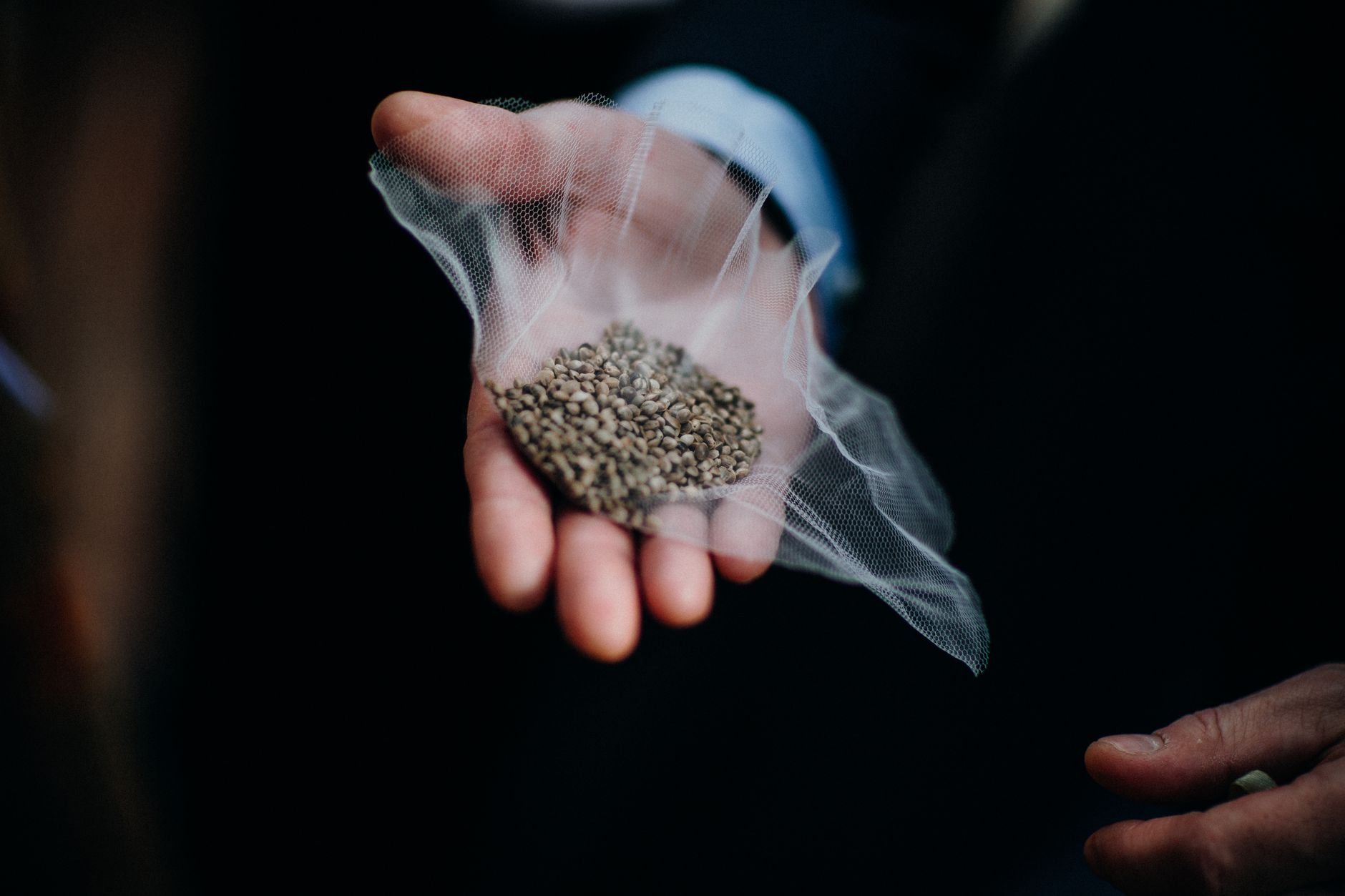
Ask a seed supplier these questions before ordering:
- Intended use. Is the variety meant for fiber, grain or cannabinoid production? A variety chosen for one purpose is not interchangeable with another.
- Certification and documentation. Is the seed certified, and can the supplier provide paperwork your state program or buyer may ask to see?
- Adaptation. Has the variety been grown in conditions like yours? Local extension staff can often tell you which varieties have been tried nearby.
- Germination information. Ask for the germination test result for the lot you are buying.
Seed you buy but do not plant immediately needs proper handling. The spoke on how to store hemp seeds covers storage and germination checks. Typical seeding rates differ by crop type and by local conditions, so take the figure from your seed supplier and your state’s extension service rather than from a general rule of thumb.
Planting and propagation
Hemp is an annual plant with many of the same production needs as other annual crops, according to the NIMSS regional project. That is reassuring for farms with annual crop experience: field preparation, seedbed management and stand establishment follow familiar logic. It does not mean you can borrow another crop’s schedule unchanged.
The same project points out that more than 80 years without USDA and academic research left an incredibly thin knowledge base. In practice, that means locally gathered information carries extra weight. Ask your land-grant extension office what trials exist in your area, and treat any single grower’s advice as one data point rather than a rule.
Direct seeding or transplants
Direct seeding suits grain and fiber crops where the plant is grown for its seed or stalk and you want to cover acres with ordinary equipment. Transplanting from trays suits smaller plantings where each plant is managed individually, such as some cannabinoid operations, because it gives you control over what goes in the ground. The decision comes down to scale and labour.
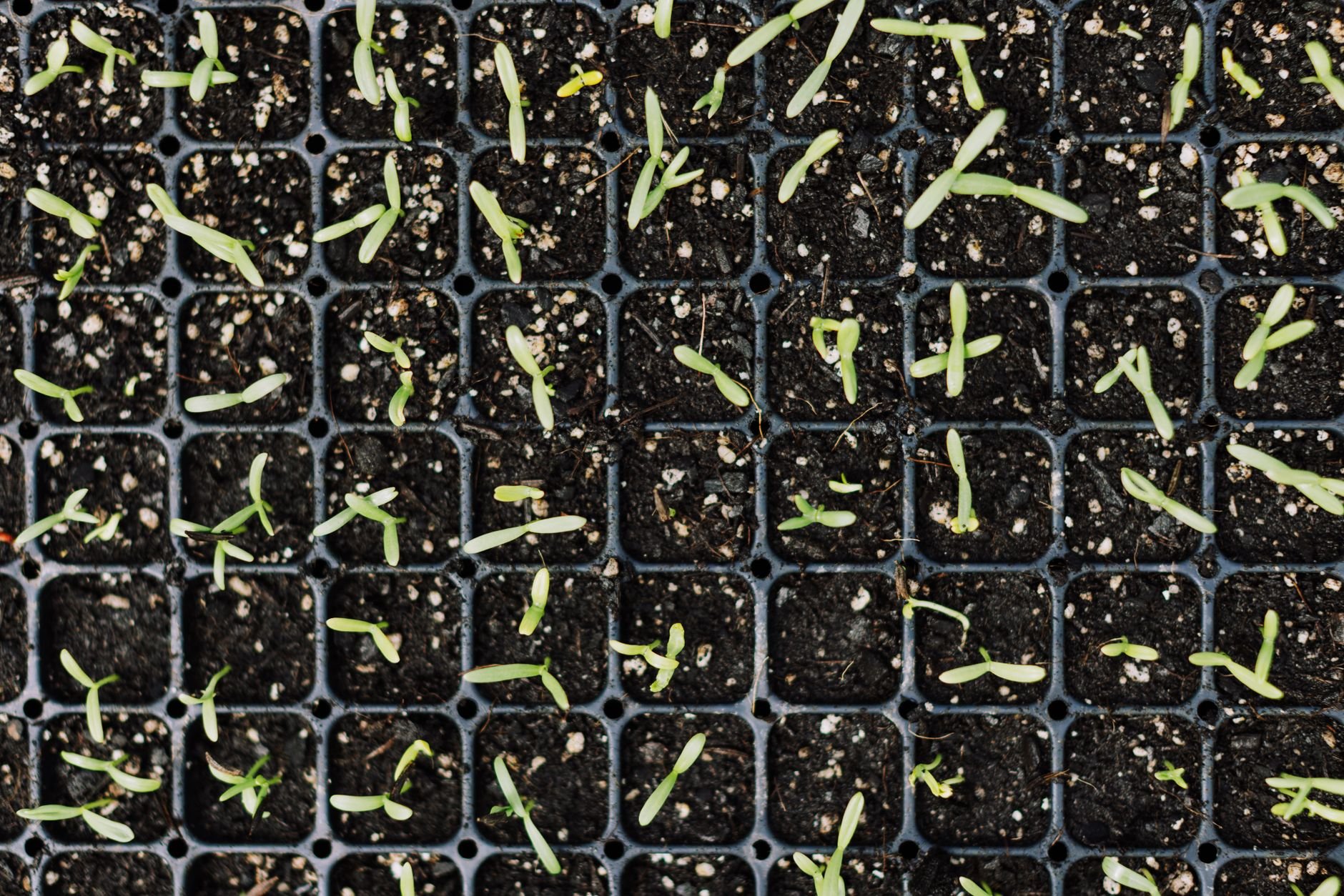
Choosing your planting date
Planting windows depend on the region, the crop type and the variety. Use local extension recommendations, and ask the seed supplier what dates the variety was developed around. The dedicated guide on when to plant hemp deals with timing in more detail. If your license or program places conditions on planting reports, file them on time.
Crop care through the season
Crop care is mostly a matter of treating hemp like the annual crop it is and adjusting for type. Fertility, water and pest pressure all matter, but the right amounts depend on soil, region and end use. Take specific numbers from a soil test and your extension service rather than from generic tables.
Fertility and rotation
Begin with a soil test and use it to guide any nutrient program, which is the same approach you would take for other annual crops. The spoke on hemp fertilizer requirements looks at nutrient planning by crop type. Field history matters as well. The guide to hemp crop rotation explains how to fit hemp into a rotation so the field is not planted back to the same crop year after year.
Water
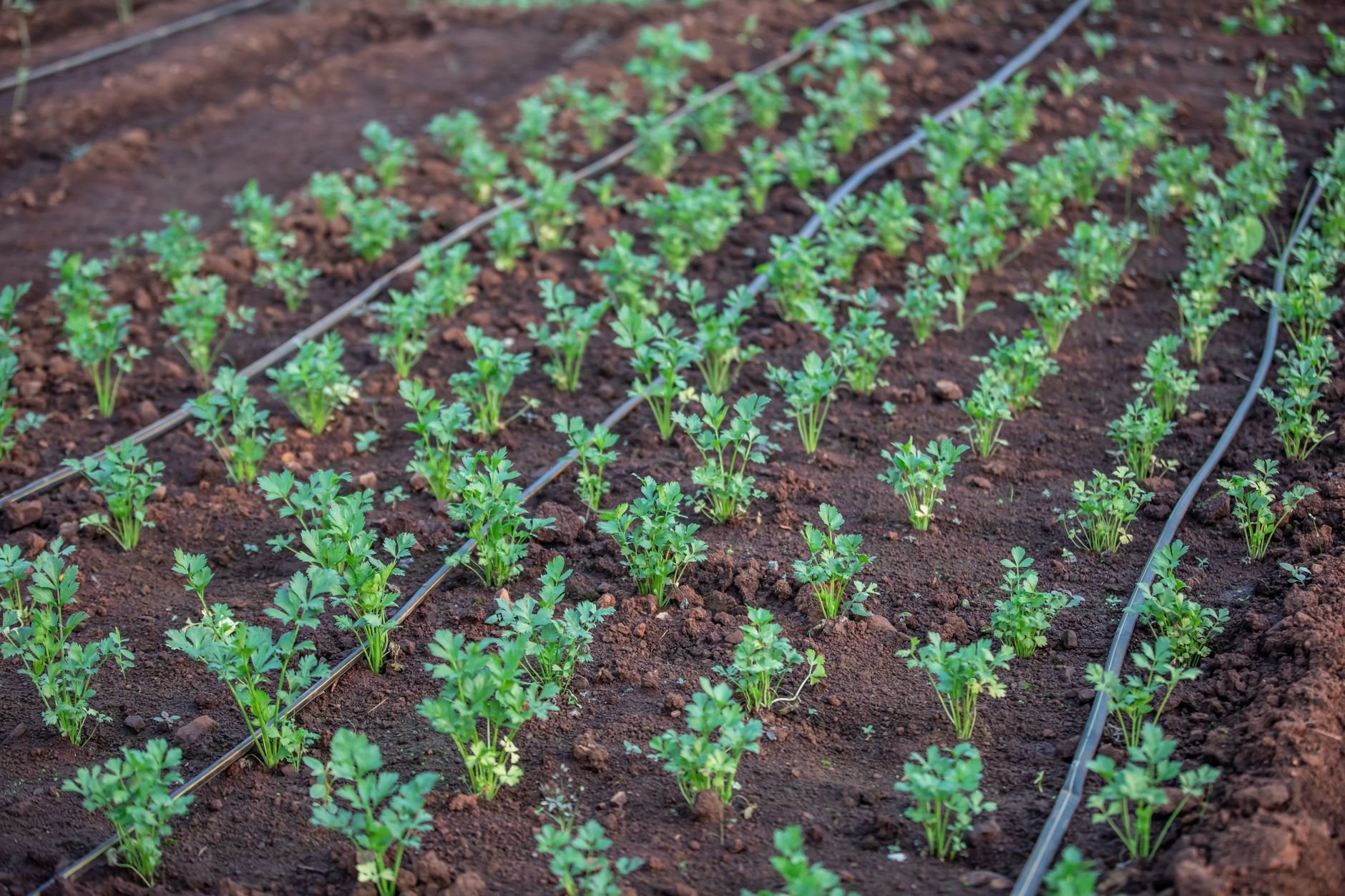
Water management depends on rainfall, soil and the way the crop is grown. Large field plantings of fiber or grain often rely on rainfall and on irrigation systems already on the farm. Smaller cannabinoid plantings may use drip tape laid along the row, which lets water go where the plants are. For details by crop type, see how much water does hemp need.
Pests and disease
Scouting should be routine. The NIMSS project includes a survey aimed at determining the distribution and occurrence of 76 insect and disease pests, which shows how wide the list of possible problems is. Walk fields regularly, record what you find, and compare it with local extension diagnostics before treating. Product choices are also constrained by what is permitted on the crop in your state. The guide to hemp pests and diseases goes through the common problems.
Plant training for cannabinoid crops
Some cannabinoid growers shape plants during the season. Whether that is worthwhile depends on your variety and goals, and it is irrelevant for crops grown for stalk or seed in dense stands. The guide to topping hemp plants explains when it applies.
Growth stages and compliance testing
Knowing where the crop is in its life cycle tells you when to scout, when to expect flowering and when to schedule sampling. The reference page on hemp growth stages sets out the sequence. For compliance, the stage that matters most is the one approaching harvest, because that is when programs typically look at whether the crop stays under the legal limit.
The legal line is set by laboratory results, not by appearance. Hemp is defined as Cannabis sativa below 0.3% THC, and a field that looks right can still fall outside that definition. For that reason, contact your state program early to learn how sampling is done, who may take the samples and how long you have between sampling and cutting. Where results are slow, allow time in your harvest plan so you are not forced to cut early or late.
Keep records of the variety, planting date, field location and any test results. Those documents matter if a buyer, processor or regulator asks questions later. They also make a crop insurance conversation simpler, which the guide on hemp crop insurance discusses.
Harvest by crop type
Harvest method follows the product. Fiber is cut as stalk, grain is collected as seed, and cannabinoid hemp is gathered as flower. Trying to harvest with equipment not suited to the product is one of the most common avoidable problems, so decide on the machinery and labour before the crop is ready, not once it is standing in the field.
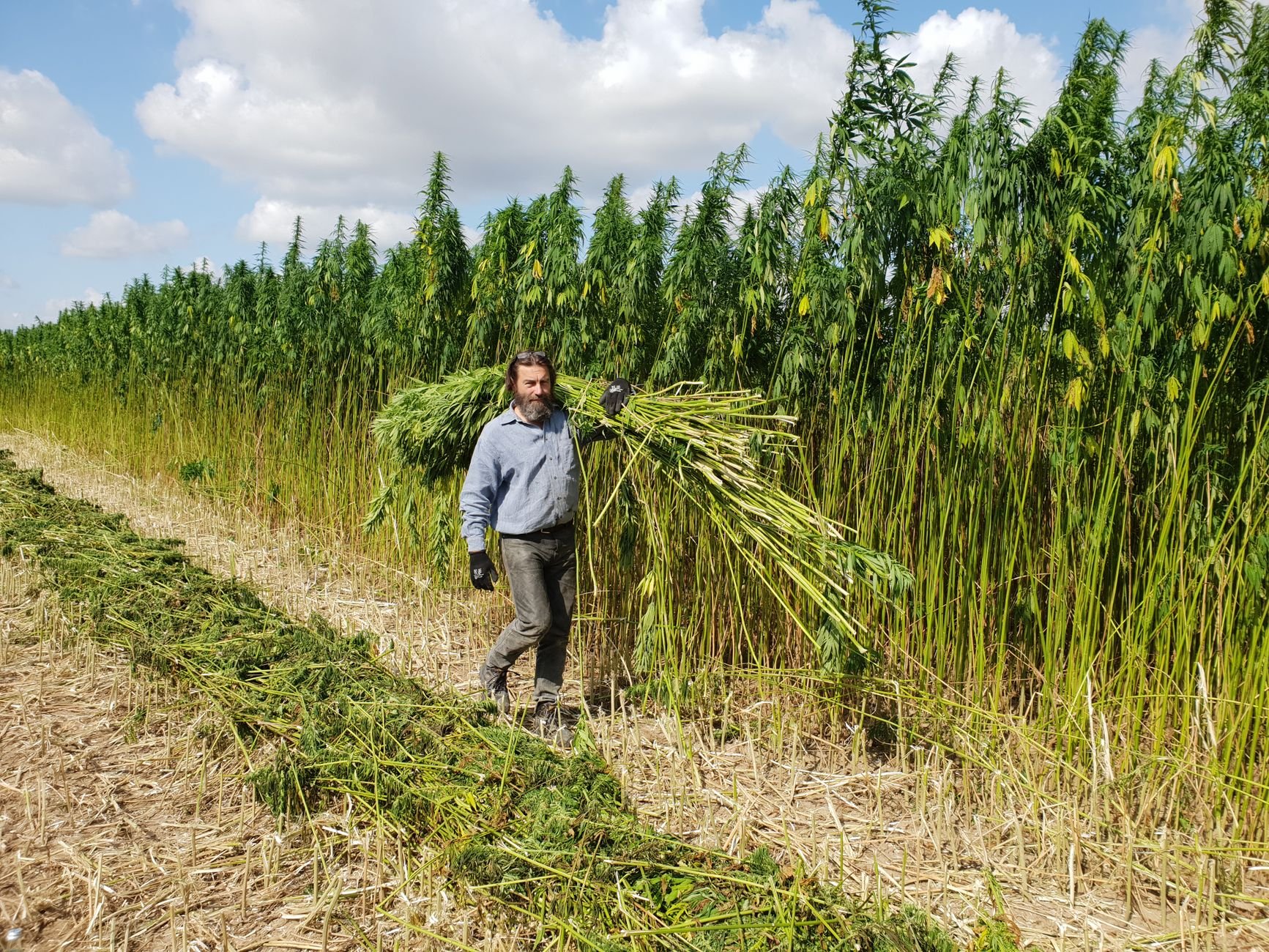
- Fiber. The stalk is the product, so cutting, laying and handling it cleanly matters more than speed alone. Confirm with your processor how they want it delivered.
- Grain. The seed is the product, so harvest and drying plans should protect seed quality. Hemp seed is used as human food and pressed for oil, which means buyers may have quality expectations.
- Cannabinoid. Flower is the product, and careful handling matters. Hand labour is more common at smaller scale, with timing tied to your compliance testing.
Equipment decisions are rarely cheap. The overview of hemp harvesting equipment sets out the options for each crop type, and it is worth reading before you buy or lease anything. If you can rent or borrow for the first season, do that before committing capital.
Drying and post-harvest handling
Drying is where a crop that has been grown well can still be lost. Plant material that stays wet or is stacked tightly can spoil, so use a space with airflow and keep the material off the floor. The exact method depends on the product. Stalks, seed and flower are handled differently, and your buyer may specify the moisture condition they accept.
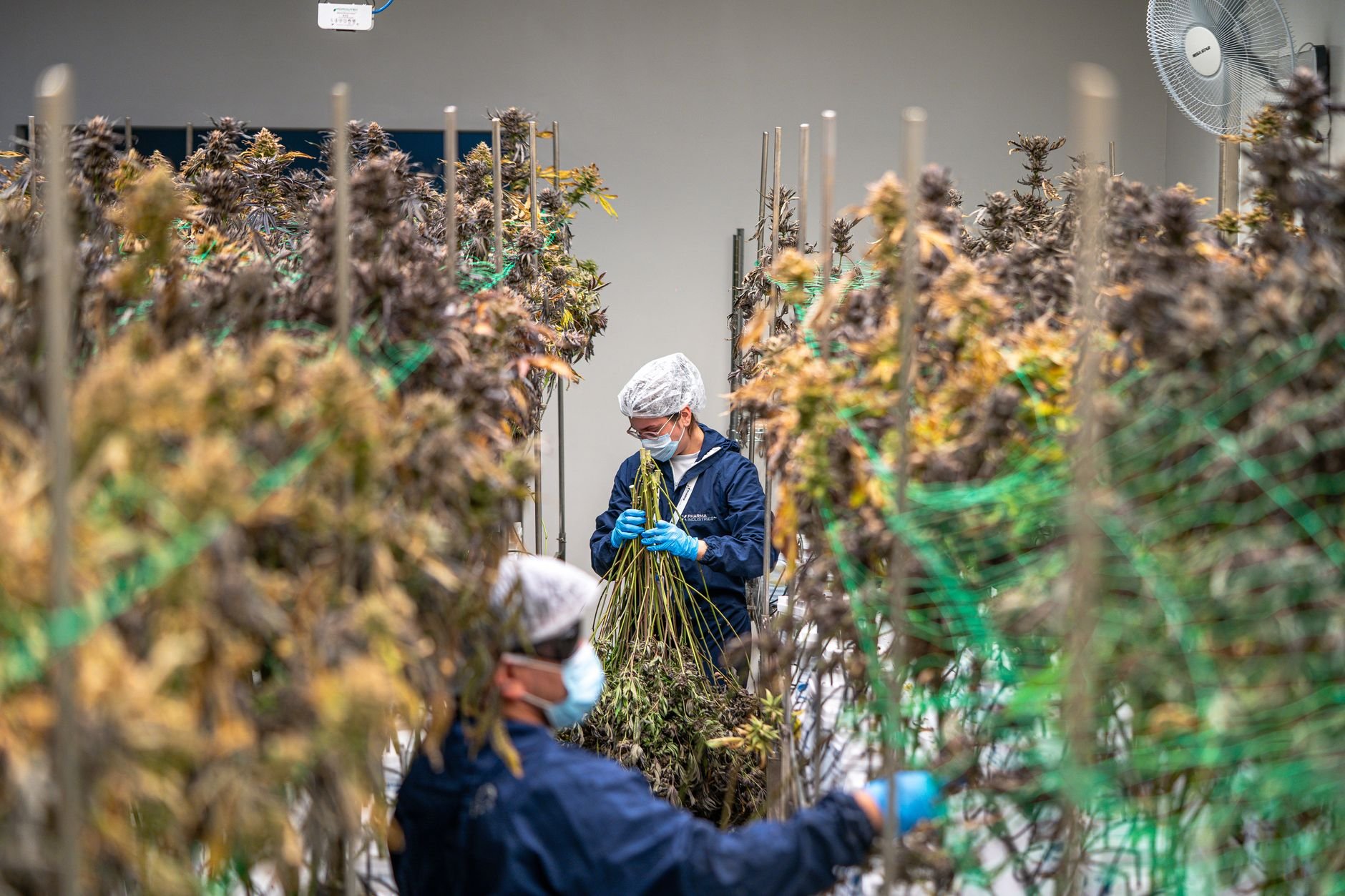
Before harvest, confirm how you will transport the crop and where it will be stored. Some programs place conditions on moving hemp, so check whether your license needs to be on hand, and keep the paperwork with the load. Dried grain should be stored in clean containers, and seed you intend to keep for planting follows the storage steps in the seed guide linked earlier.
Cost, risk and where to go next
Hemp is still an emerging crop in many regions, and the research base remains thin by the standards of established crops. That calls for caution on scale. Start with an acreage you can manage, document everything, and add land only after you understand your own costs and your buyer’s expectations. The question of returns is addressed in is hemp farming profitable, and risk transfer is covered in the page on hemp crop insurance linked above.
Overview of the three crop paths
| Crop type | Main product | Key decision | Planning use |
|---|---|---|---|
| Fiber hemp | Fiber for textiles and rope; hurd for industrial applications | Reaching a processor that takes stalk | Confirm a buyer and delivery format before planting |
| Grain hemp | Seed for human food and for oil | Seed harvest and drying capacity | Match to grain equipment you already have or can hire |
| Cannabinoid (CBD) hemp | Hemp grown for cannabinoid content | State licensing and THC sampling schedule | Read your state program before ordering seed |
Product descriptions come from the NIMSS regional hemp project, and the grouping of grain, fiber and cannabinoid production comes from Illinois Extension.
If you are still undecided, work down this path. Settle the market first, confirm the legal route second, source seed third, and only then price equipment. A farm that can answer all four has done the hardest part of planning.
Frequently asked questions
How do you grow industrial hemp?
Treat it as an annual crop with many production needs in common with other annual crops, and then adjust for crop type, variety and local conditions. Because research on the crop was absent for decades, local extension guidance is especially useful.
Is it legal to farm hemp in the United States?
Yes, if the crop meets the federal definition and you follow the applicable program. The 2018 Farm Bill legalized hemp, and 48 states developed hemp programs afterwards. Some states license growers and processors, so check your own state before planting.
What is the difference between fiber, grain and CBD hemp?
They differ by end product. Fiber hemp yields stalk fiber and hurd, grain hemp yields seed for food and oil, and CBD hemp is grown for cannabinoids. Each has its own market and regulatory considerations.
What does hemp need to stay under the legal THC limit?
Hemp is defined as Cannabis sativa below 0.3% THC, so the crop has to test under that line to remain hemp. Use suitable seed, follow your state’s sampling instructions and allow time for testing before harvest.