| Symptom | First action | Planning use |
|---|---|---|
| Seedbed soil is below 10 °C (50 °F) | Hold the seeder and keep taking soil readings | This is the minimum soil temperature for planting, so treat it as a gate rather than a target. |
| Frost is still possible locally | Wait until after the last frost date in your area | Field sowing starts after the local last frost date, whatever the calendar says. |
| The light cycle is falling from 16+ hours of light toward 12 hours of light and 12 of darkness | Expect flowering to begin | A crop sown this late has little long-day growth ahead of it. |
| Seed is in the ground but nothing has emerged | Allow 5-10 days under optimal conditions before judging the stand | A longer wait points back to soil temperature rather than to the seed. |
Figures from Eir Health’s growing guide and Fortuna Hemp’s growth-cycle guide.
When to plant hemp comes down to soil, frost and daylight: soil of at least 10 °C (50 °F), no frost left, and enough long days for the crop to grow before flowering starts. End use then adjusts the details.
The wider crop picture sits in the industrial hemp farming guide. Licensing comes before seed, so read how to get a hemp growers license before ordering anything.
Soil temperature and frost checks
Industrial hemp is sown into warm soil after the last frost. Both checks come before any calendar date, and both are easy to measure in the field.
Cold soil: the minimum and the safer cue
Eir Health’s guide and Fortuna Hemp’s guide both give a minimum soil temperature of 10 °C (50 °F) for planting. Permapotes offers a slightly warmer guide of around 12 °C at 3 cm depth, to be adapted to conditions.
- Use the minimum as a floor. A field that has only just reached 10 °C is at the edge of the range, so a few more warm days cost little.
- Measure at seed depth. The warmer guide is stated for 3 cm depth, so a reading taken there matches where the seed will sit.
- Wait when readings drift back down. Sowing into soil that has dropped below the minimum invites a slow, uneven stand.
Frost risk and indoor starts
Eir Health’s guide says to plant after the last frost date in your area. The guidance makes no exception for seedlings, so treat that date as a hard stop for field sowing.
Growers who want a head start can follow the same guide and start seeds indoors 4-6 weeks before the last frost, then move plants out once frost has passed. That route suits small plantings better than field-scale seeding.
Daylength and flowering
Hemp is a photoperiod crop, so daylength decides how long the plant keeps growing before it flowers. The planting date is therefore a decision about how much long-day growth the crop gets.
What triggers flowering
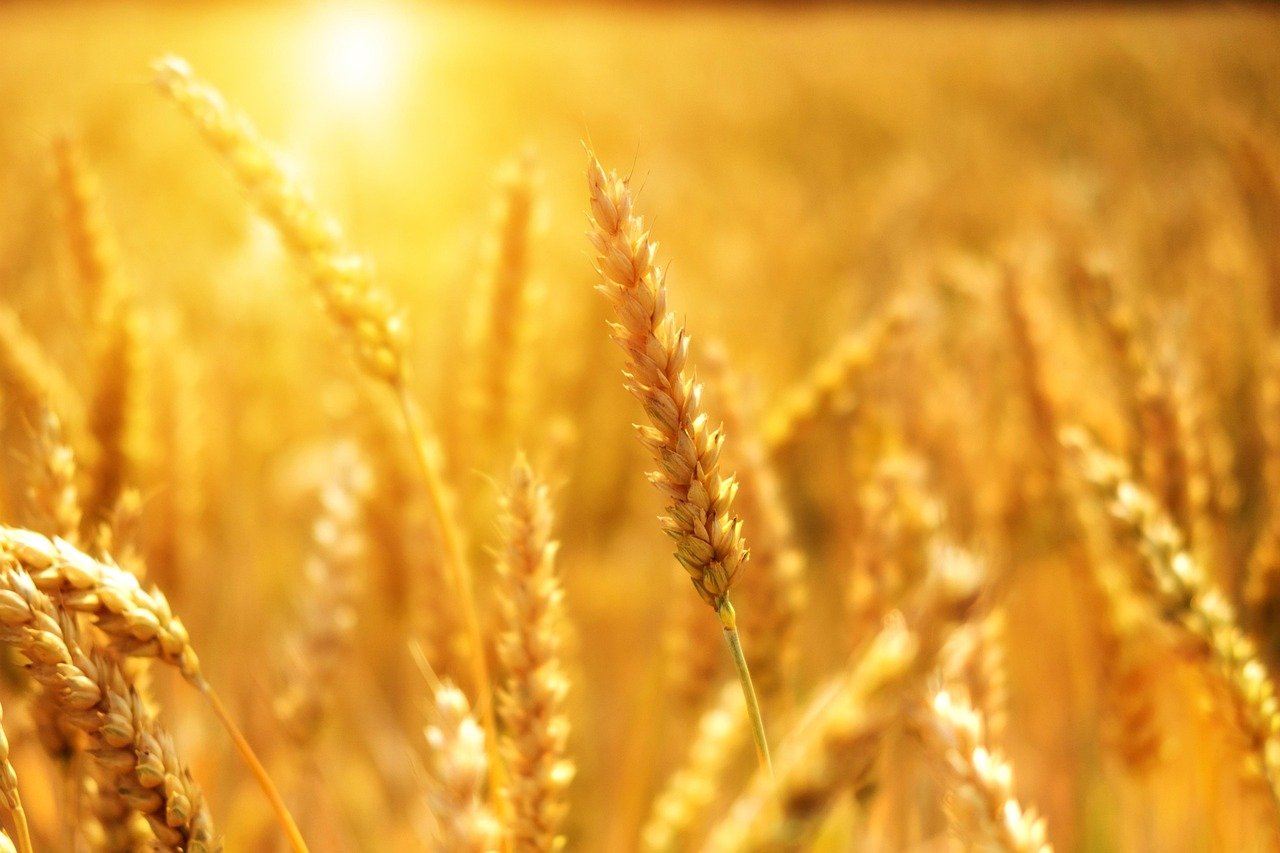
Fortuna Hemp’s guide says plants begin flowering when the light cycle changes from 16+ hours of light to 12 hours of light and 12 hours of darkness. University of Illinois Extension, quoted by AgriNews, puts the trigger at 10 to 12 hours of darkness. Eir Health’s guide adds a planting-side condition of 12+ hours of daylight.
Why earlier sowing builds a bigger plant
The same extension talk states that hemp is photoperiod dependent, so the earlier the crop is planted, the more biomass it makes. Once soil and frost allow, that favours the early end of the planting window.
Sowing late does not stop flowering from arriving on schedule. It only leaves a smaller plant to flower.
Planting windows by region and end use
Fiber, grain and CBD crops share the same soil, frost and daylight gates. Region and variety move the date within them.
Regional windows
Eir Health’s guide gives April to June, after the last frost, as the Northern Hemisphere planting window. Permapotes advises spring sowing for fibre or grain cultivars, using recommendations suited to your region. The practical reading is that colder, later-thawing sites sit toward the June end and milder sites toward April.
Season length and maturity
Eir Health’s guide gives 120-150 days from planting to harvest as a general season. For a particular variety, the maturity class the seed is sold under should shape the date, as Permapotes notes that a single date does not suit every maturity class.
Grain and fiber differ in what the harvest needs. A grain crop must be sown early enough for seed to ripen, not just for plants to flower. A fiber crop is judged on stalk growth, which is where the early-planting advantage in biomass counts most.
Emergence and early growth
A correctly timed stand looks unimpressive at first. The AgriNews report of the Illinois Extension talk notes that the crop grows very slowly in the first month, then accelerates.
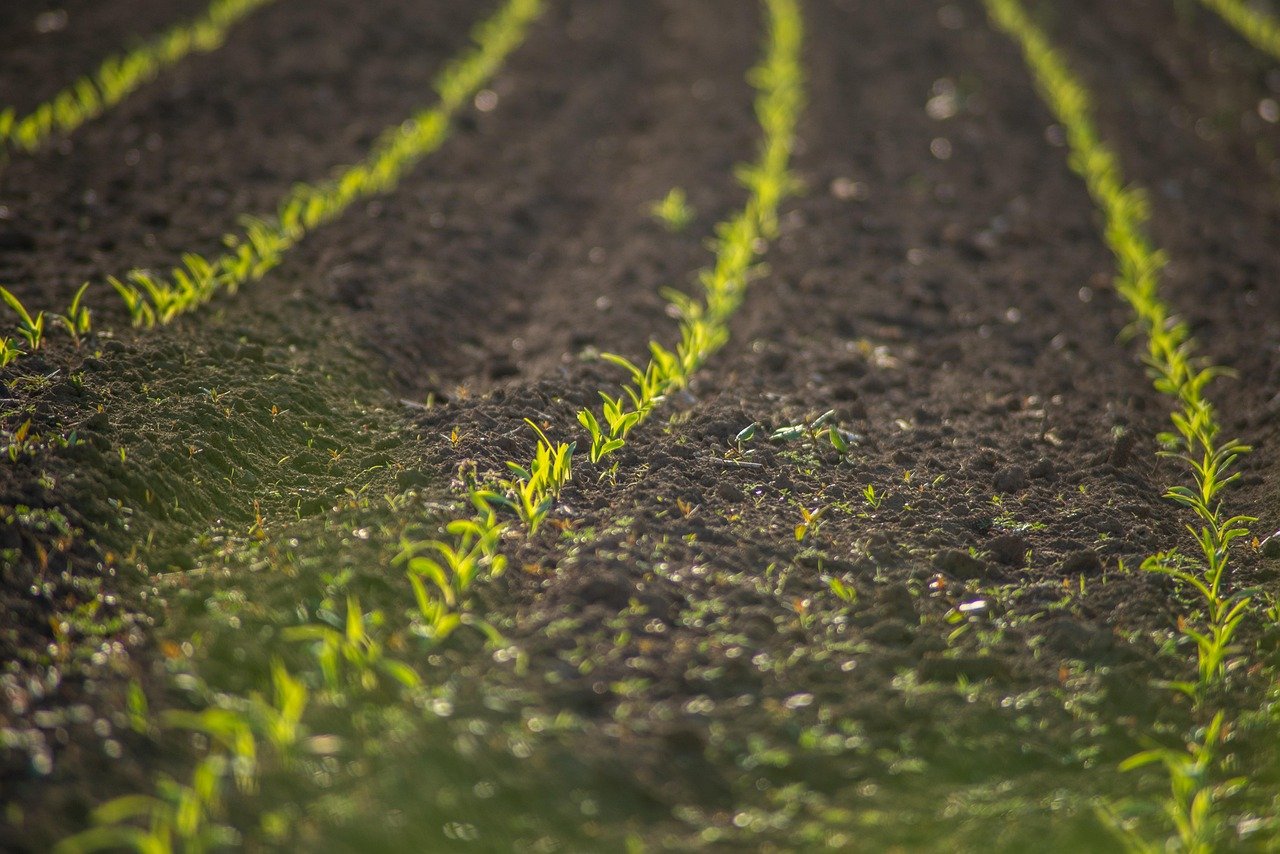
- Plan weed control early. Slow early growth gives weeds the lead, so the first month is the period to keep fields clean.
- Do not judge the stand too soon. Thin-looking rows in the first weeks are expected rather than a reason to reseed.
- Match nutrition to the growth curve. Fast growth follows the slow start, so see hemp fertilizer requirements for feeding the crop.
Late-season and fall planting
Sowing hemp in autumn is not supported by the guidance. Eir Health’s guide says to plant after the last frost, and the flowering trigger arrives as days shorten. The workable late option is a summer planting that still finishes for fall harvest.
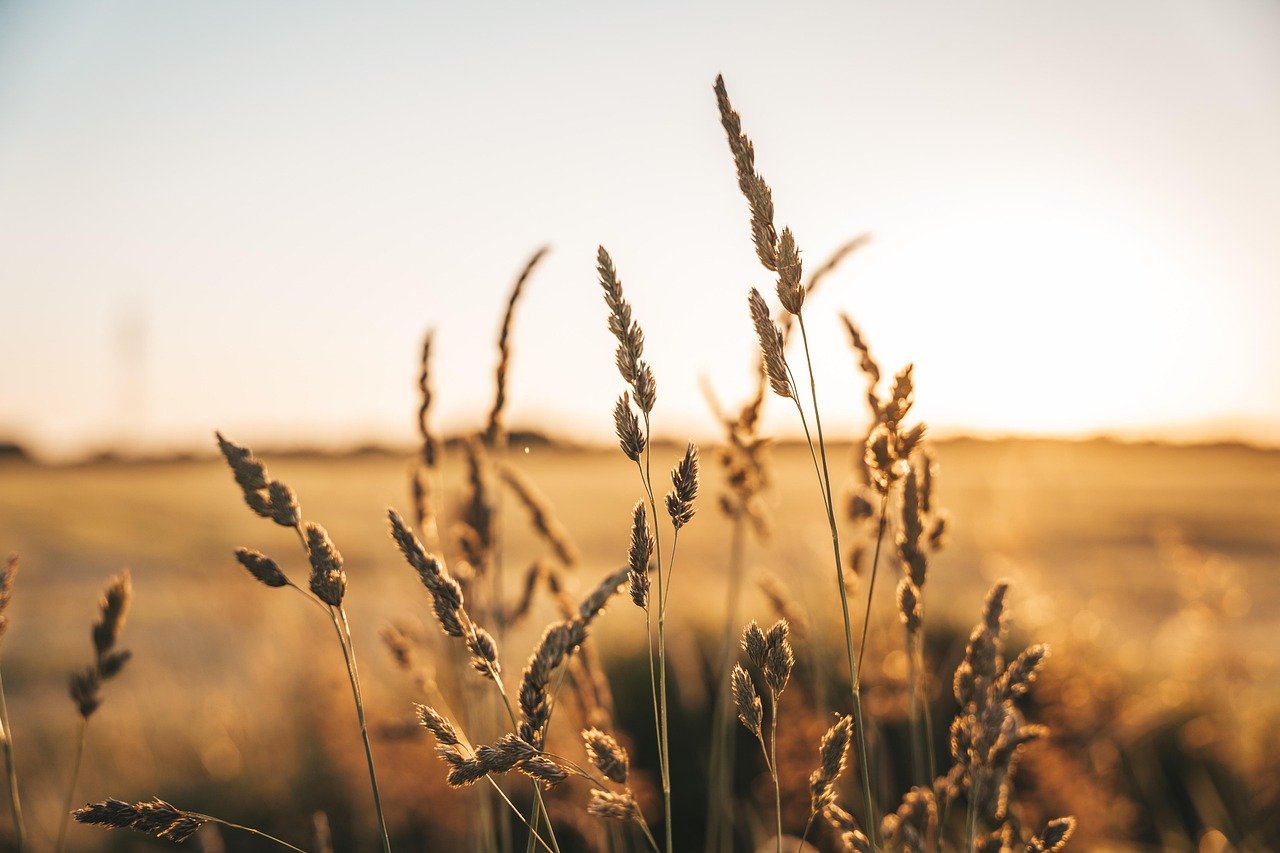
Beacon Hemp reports that it is not too late to plant for a fall harvest. Its seeds were sown around the 3rd or 4th week of June, and another planting went in on July 13/14 with harvest finished on October 1. Plants from such plantings have a shorter vegetative stage and do not grow as large.
- Suits: growers whose spring was lost to wet fields or late frost and who accept smaller plants.
- Poor fit: crops where plant size drives the return, since the earlier-means-more-biomass rule works against late sowing.
Frequently asked questions
| Question | Answer |
|---|---|
| Does one planting date work everywhere? | No. Permapotes states that one date does not suit every climate or maturity class, so the local last frost date and soil readings set the date. |
| How much seed do grain and fiber crops need? | The Illinois Extension talk reported by AgriNews gives 25 to 35 lb per acre for grain hemp. Fiber hemp doubles that, at 50 to 70 lb per acre. |
| When should grain hemp be harvested? | The same extension source says to harvest the grain when the seeds are 70 to 80 percent mature, which is why sowing must leave time for seed to ripen. |