Quick answer: Is it legal to grow industrial hemp? Yes, since the 2018 Farm Bill, but only as a registered grower who follows state and federal rules, and only while the crop stays at or below 0.3% THC.
Federal law sets the outer boundary, and your state sets the practical one. This guide separates the two so the legal line is clear before any planting decision. For the wider crop picture, see the pillar guide on industrial hemp farming.
The legal boundary at a glance
Four points decide whether a hemp crop is lawful: its federal status, its THC content, whether the grower is registered, and which state rules apply. The table turns each into a planning step.
| Question | Answer | Planning use |
|---|---|---|
| Is commercial hemp production federally legal? | Yes. The 2018 Farm Bill legalized commercial hemp production in the US and removed hemp from the list of controlled substances. | Federal law is no longer the obstacle, so the decision moves to registration and state rules. |
| What separates hemp from marijuana? | Hemp contains not more than 0.3% THC. Above that, the plant is classified as drug-type cannabis. | Choose genetics and a crop plan with this ceiling in mind. |
| Can you grow without a licence? | No. Prospective growers must register within their state and follow the most current rules. | Complete registration before seed is bought or planted. |
| Do state and federal rules differ? | Producers and processors must follow both, and the rules may vary by state. | Read your own state’s hemp page as well as the USDA rule. |
These points come from the University of Wisconsin Extension hemp guidance, which summarises the federal and state framework for growers.
What the 2018 Farm Bill changed
The 2018 Farm Bill moved hemp from a banned plant to a legal commercial crop. Hemp had been banned in 1970 with the passage of the Controlled Substances Act. Permitted research resumed with the 2014 Farm Bill, according to Wisconsin Extension.
The 2018 law then removed hemp from the list of controlled substances and legalized commercial production in the US. That is why a grower today can plant hemp as farm business rather than as a research participant. The change did not remove oversight. It replaced a ban with a regulated system built around state registration and the USDA hemp program.
The practical reading is simple. If your question is whether federal law forbids growing hemp, the answer is no. If your question is whether you can plant without anyone’s approval, the answer is also no, as the next sections explain.
The 0.3 percent THC line
Federally, hemp is legally defined as cannabis containing not more than 0.3% THC. Anything above that is a different legal category, so this single number separates a lawful crop from a controlled one.
Hemp versus marijuana
Extension guidance explains that if the THC level is greater than 0.3%, the plant is classified as drug-type cannabis. Marijuana types are bred to produce a high amount of THC, in the range of 10 to 30 percent. The legal gap between the two is therefore wide, and a hemp crop is expected to sit far below the drug-type range.
What the limit means for a grower
The 0.3% figure is a ceiling that defines the crop, not a target to approach. A grower who wants to stay safely inside the definition should treat the number as a boundary to keep well clear of, and should plan the crop around lawful hemp genetics from the start. The way a state or the USDA samples and tests the crop is set out in the USDA Hemp Final Rule and in state program materials, so read those before planting rather than relying on a summary.
A plant that crosses the line is no longer hemp. Compliance with the limit is therefore a condition of the crop being legal at all, not a technicality.
Licences and registration
You cannot lawfully grow hemp without a licence or registration. Wisconsin Extension states that prospective growers must register within their state and adhere to the most current rules and regulations.
Which programme issues the licence
Whether a state runs its own programme or defers to the federal one affects where you apply. The USDA hemp programme covers how to apply to become a hemp grower or processor. Extension guidance advises reviewing the USDA Hemp Final Rule before applying for a licence, so you understand the rules you will be held to.
A grower should check two things in order. First, confirm whether the state has its own hemp programme. Second, read the federal rule that applies where it does not. The step-by-step process is covered in how to get a hemp growers license.
Who needs to register
The requirement is not limited to farms growing for flower. Hemp is harvested for its seeds (grain), stalk (bast fiber and hurd) and flower, and producers and processors alike are expected to follow their respective state and federal regulations. A small plot does not change that expectation. If the plan is to grow a crop for sale or processing, plan to register first.
Federal and state rules compared
Federal and state rules do differ for growers, and a legal crop must satisfy both. Extension guidance notes that hemp producers and processors are required to follow their respective state and federal regulations, and that these regulations may vary across state lines.

Is hemp growing legal in every state?
Federal legalization does not mean identical treatment everywhere. Because rules may vary by state, the safe approach is to treat the federal definition as the common floor and then read your state department of agriculture’s hemp page for local conditions. A state that has not set up a programme of its own is not the same case as one that has, and the application route can differ.
A worked example of programme change
Wisconsin shows how the arrangement can shift. The state launched a pilot hemp programme in 2018 that ran until January 2022. From January 2022, Wisconsin relinquished authority over its state hemp programme to the USDA, according to Wisconsin Extension. Growers there who had learned the pilot rules had to move to the federal framework.
The lesson applies everywhere. Regulations are subject to change from year to year, so a rule that applied to a neighbour’s crop last season is not proof of what applies to yours this season. Check the current text before each planting.
Choosing a crop type within the law
Legal status is the same for every hemp type that stays within the 0.3% definition, but the farming model differs, and that affects which licence and rules you read first. Hemp can be harvested for seeds, stalk fibre or flower.
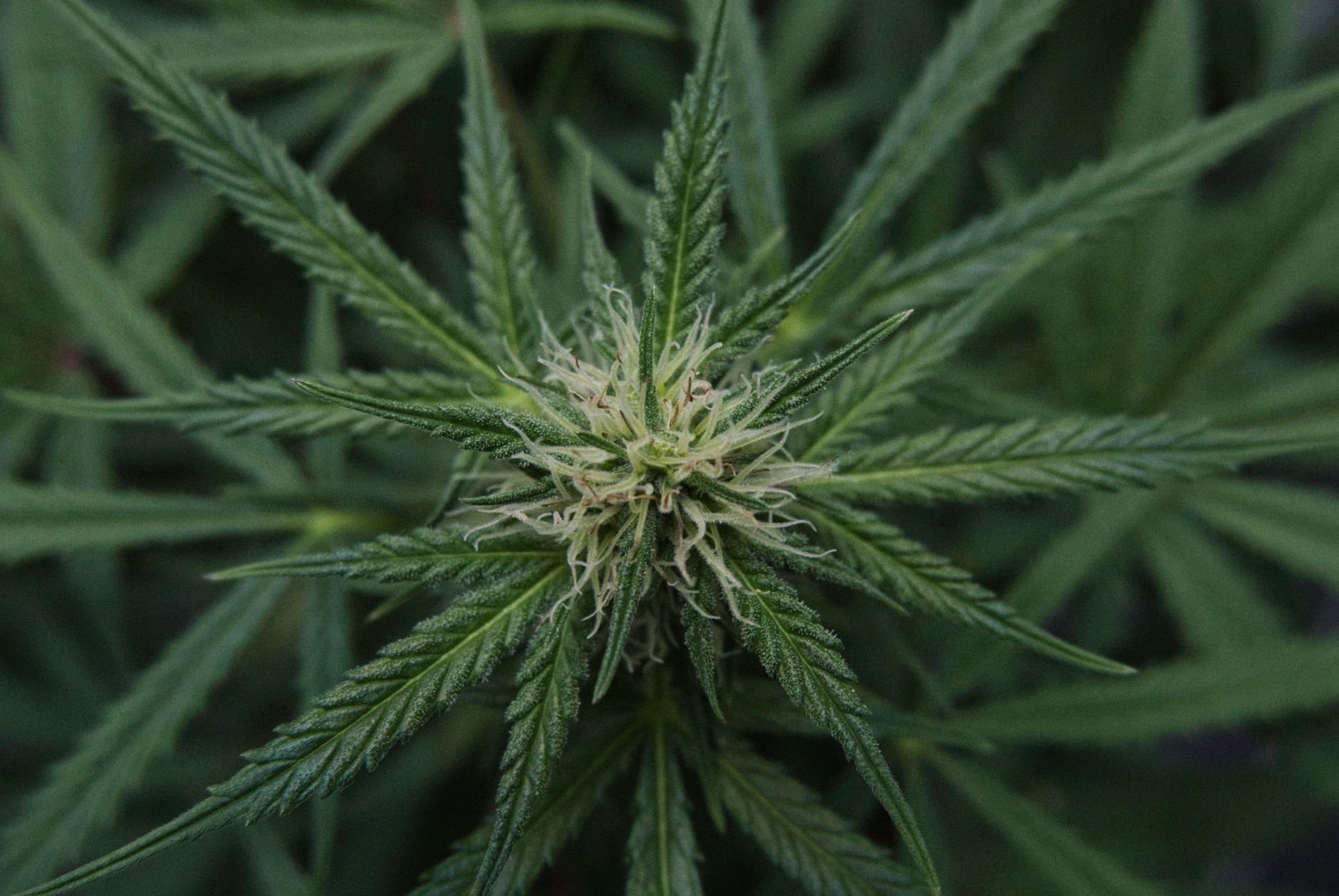
- Grain and fibre hemp: typically grown on a large scale using conventional farm equipment. It suits operations that already run broad-acre machinery.
- Cannabinoid (flower) hemp: usually started from feminized seed, with plant spacing recommendations ranging from 1 foot on-center up to 6 feet on-centers. It suits growers who want closer control over individual plants, and it is the type where the THC ceiling gets the most attention.
Seed is the first purchase a legal grower makes after registration, so handle it with care. Guidance on how to store hemp seeds covers keeping it viable until planting. Choose the crop type that fits your equipment and licence category, then confirm that your state’s rules cover that use before you order seed.
Troubleshooting common legal mistakes
Most legal problems come from a handful of assumptions. Each has a straightforward correction.
- “It is federally legal, so I can just plant.” Federal legalization sits alongside a registration requirement. Register in your state and follow the current rules first.
- “My state used to run its own programme.” Programmes can change hands, as Wisconsin’s move to USDA authority in January 2022 shows. Confirm who currently administers hemp where you farm.
- “A neighbouring state’s rules will do.” Rules may vary across state lines, so only your own state’s current requirements count.
- “Any cannabis plant grown for fibre or flower is hemp.” Only plants at or under 0.3% THC meet the definition. Above it, the plant is classified as drug-type cannabis.
- “Last year’s guidance still applies.” Regulations are subject to change from year to year, so recheck before each season.
If a point remains unclear after reading the USDA rule and your state page, ask the state department of agriculture directly before planting.
Frequently asked questions
Is it legal to grow industrial hemp in every state?
Federal law allows commercial hemp production, but rules may vary by state. Growers must follow both state and federal regulations, so check your own state’s current requirements.
Can you grow hemp without a licence?
No. Prospective growers must register within their state and follow the most current rules. Reviewing the USDA Hemp Final Rule before applying helps you understand what you will be held to.
What is the 0.3 percent THC limit?
It is the federal definition of hemp: cannabis containing not more than 0.3% THC. A plant above that level is classified as drug-type cannabis, which is typically bred for THC in the range of 10 to 30 percent.
Do federal and state rules differ for growers?
They can. Producers and processors must follow both, state rules may vary across state lines, and regulations change from year to year. Some states have handed their programmes to the USDA, as Wisconsin did in January 2022.
What does the 2018 Farm Bill do for hemp growers?
It removed hemp from the list of controlled substances and legalized commercial hemp production in the US. It followed permitted research that began with the 2014 Farm Bill, after hemp’s 1970 ban under the Controlled Substances Act.