| Symptom | First action | Planning use |
|---|---|---|
| Seed sits at room temperature (20 to 25 °C) | Move it into a refrigerator (4 to 7 °C) | Refrigerated seed kept more germination than room-temperature seed in a three-year hemp study, so this is the main storage upgrade. |
| No refrigerator space, and the storage spot swings warm | Choose a place that stays between 5 and 15 °C (41 to 59 °F) if possible | A fallback for small lots, not the best-evidenced option. |
| Seed or container feels humid | Use an airtight container with a desiccant packet | Keeps relative humidity low, because extra moisture speeds up seed activity. |
| Seed is kept in clear glass or a bright room | Switch to an opaque container | Blocks light-triggered metabolic activity. |
| Seed is older than a year | Run a germination test before planting | One year is the window most strains hold germination under good storage. |
| Newly bought lot with an unknown germination record | Send a sample to an accredited seed laboratory | Gives a standardised baseline before fresh seed is used. |
Figures above come from a peer-reviewed hemp seed storage study and a beginner seed-storage guide.
How to store hemp seeds comes down to cool, dry, dark and airtight conditions: a refrigerator, a sealed opaque container and a desiccant, then a germination test before planting any seed older than a year.
This guide belongs to the wider industrial hemp farming topic. It covers the storage set-up first, then a germination test that shows whether stored seed is still worth sowing.
Storage conditions that hold germination
Hemp seed (Cannabis sativa L. var. sativa) loses germination ability during storage, and the main controls are temperature, moisture and light. A seed-storage guide notes that even a few percent of extra moisture greatly increases biochemical activity, and that opaque containers prevent light-triggered metabolic activity. Good storage therefore removes both.
Temperature
The hemp seed study stored seed either at room temperature (20 to 25 °C) or in a refrigerator (4 to 7 °C). Its authors conclude that hemp producers should hold seed in a refrigerator. For most growers, a sealed container on a refrigerator shelf is the simplest way to follow that advice.
Where a refrigerator is not available, the seed-storage guide suggests a place that stays between 5 and 15 °C (41 to 59 °F) if possible. Treat that as a workable fallback. A cellar or unheated room suits a small lot that will be sown soon, while seed meant to wait longer belongs in the refrigerator.
Moisture, light and container
An airtight container with a desiccant packet keeps relative humidity low, and an opaque container handles light. Glass jars are fine if they sit inside a closed cupboard or box. Seed should go into the container dry, because sealing damp seed traps the moisture the desiccant is meant to control.
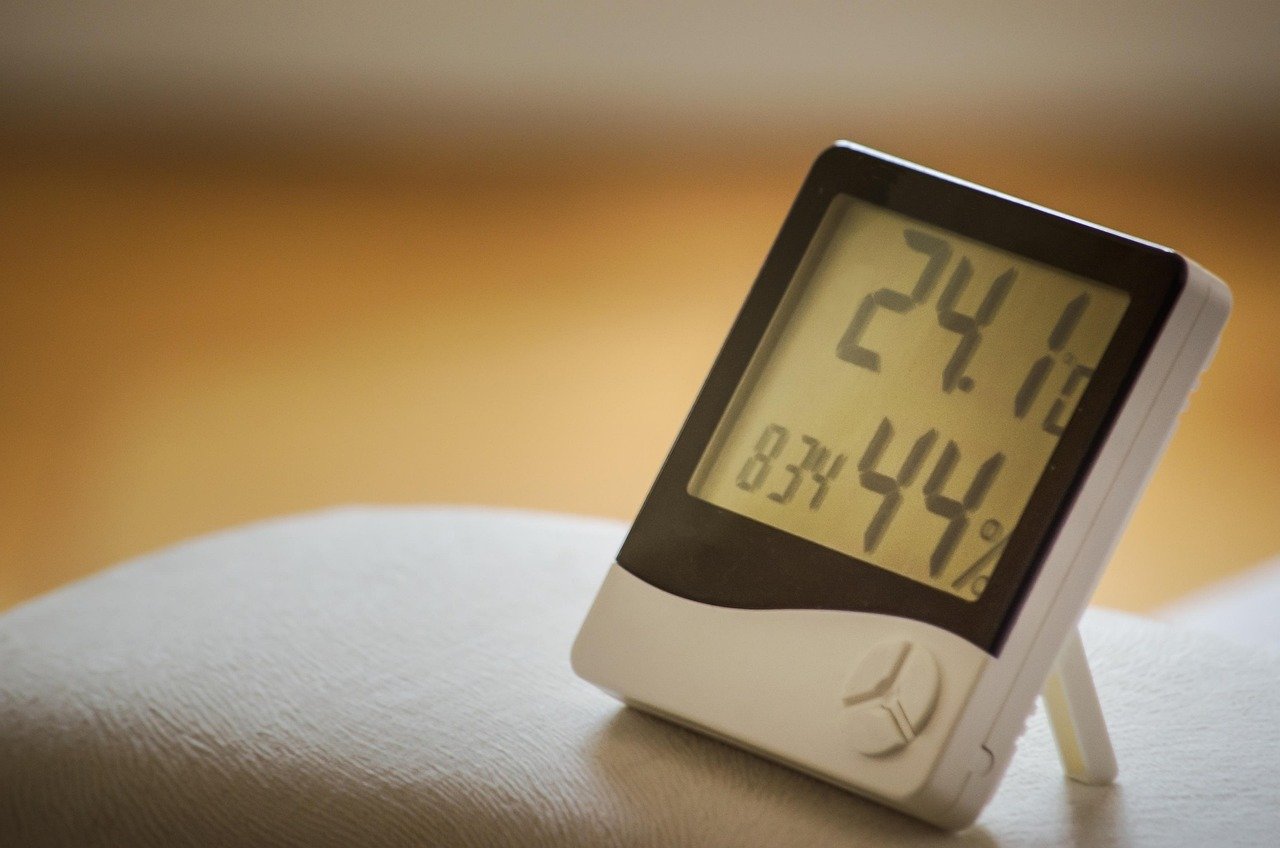
A thermometer and hygrometer placed near the containers shows whether the storage area is drifting. Watch for a reading that creeps upward after weather changes or after the refrigerator door has been opened often. That points to a seal or placement problem rather than a seed problem.
How long hemp seed stays viable
Under good storage, most strains hold their germination rate for up to a year, according to the seed-storage guide. That is a practical planning window, not a guarantee, and it does not describe seed kept warm or damp.
The three-year hemp study shows what happens beyond that window. Average germination of declared seed across five cultivars was 96.1%. After three years of storage, germination fell to 65.0% for refrigerated seed and 46.4% for seed kept at room temperature.
- Within a year, stored cool and dry: seed is likely to perform close to its label. A test is still sensible if the lot is important.
- Several years old: expect a clear drop even in a refrigerator. Test before relying on the lot.
- Several years old, kept at room temperature: expect the largest loss. Plan for a replacement lot rather than hoping the seed recovers.
Running a germination test
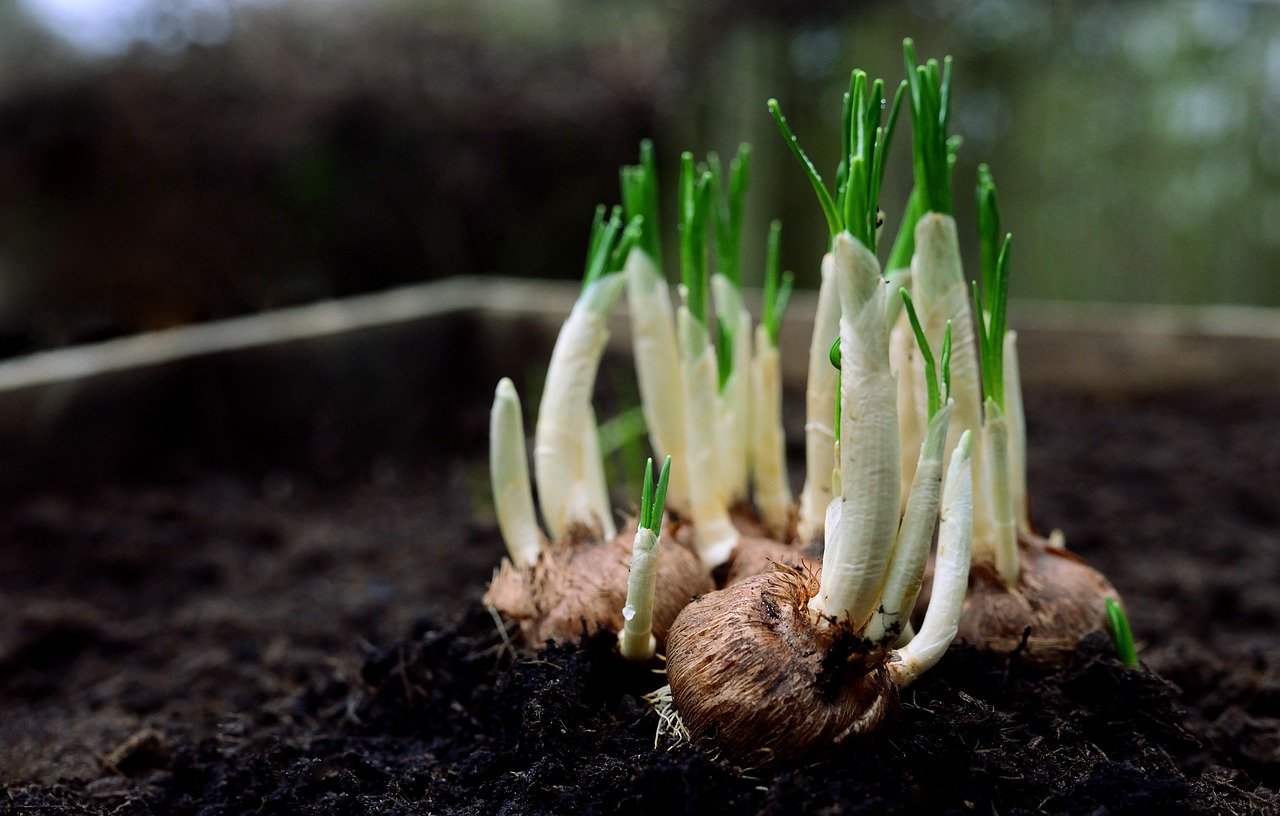
A germination test shows how many seeds in a lot produce a healthy sprout, which is the number that matters for planting decisions. The study tested seed according to the ISTA (International Seed Testing Association) methodology, and a home paper towel test follows the same logic on a smaller scale.
Paper towel test, step by step
- Count out a sample. Take seeds at random from the container, not only the best-looking ones, and record how many you started with.
- Dampen paper towel. It should be moist, not dripping, so the seeds are not sitting in standing water.
- Lay the seeds apart. Spread them on the towel with space between each, then keep the towel covered and moist.
- Check on set days. The study judged day 6 and day 12 more appropriate for counting than the officially prescribed day 3 and day 7. Count at those two points and keep the towel moist between checks.
- Record the result. Write down how many seeds sprouted at each count, then calculate the germination percentage.
When a home test is not enough
For fresh seed, the study’s authors say germination should be tested by an accredited seed laboratory before use. A home test is a useful check on seed you have stored yourself. A laboratory result is the better baseline for a new lot that will drive a large planting.
Reading the result
What counts as germinated
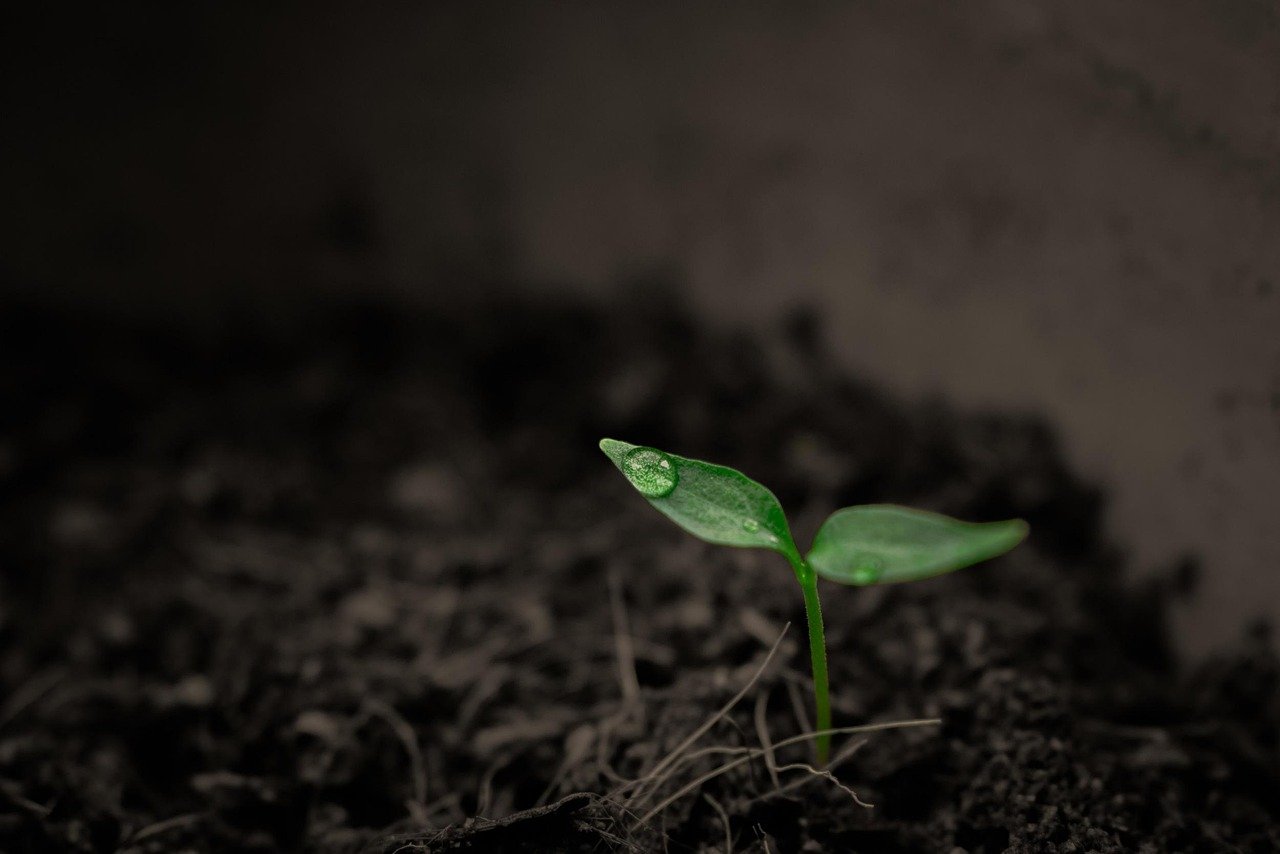
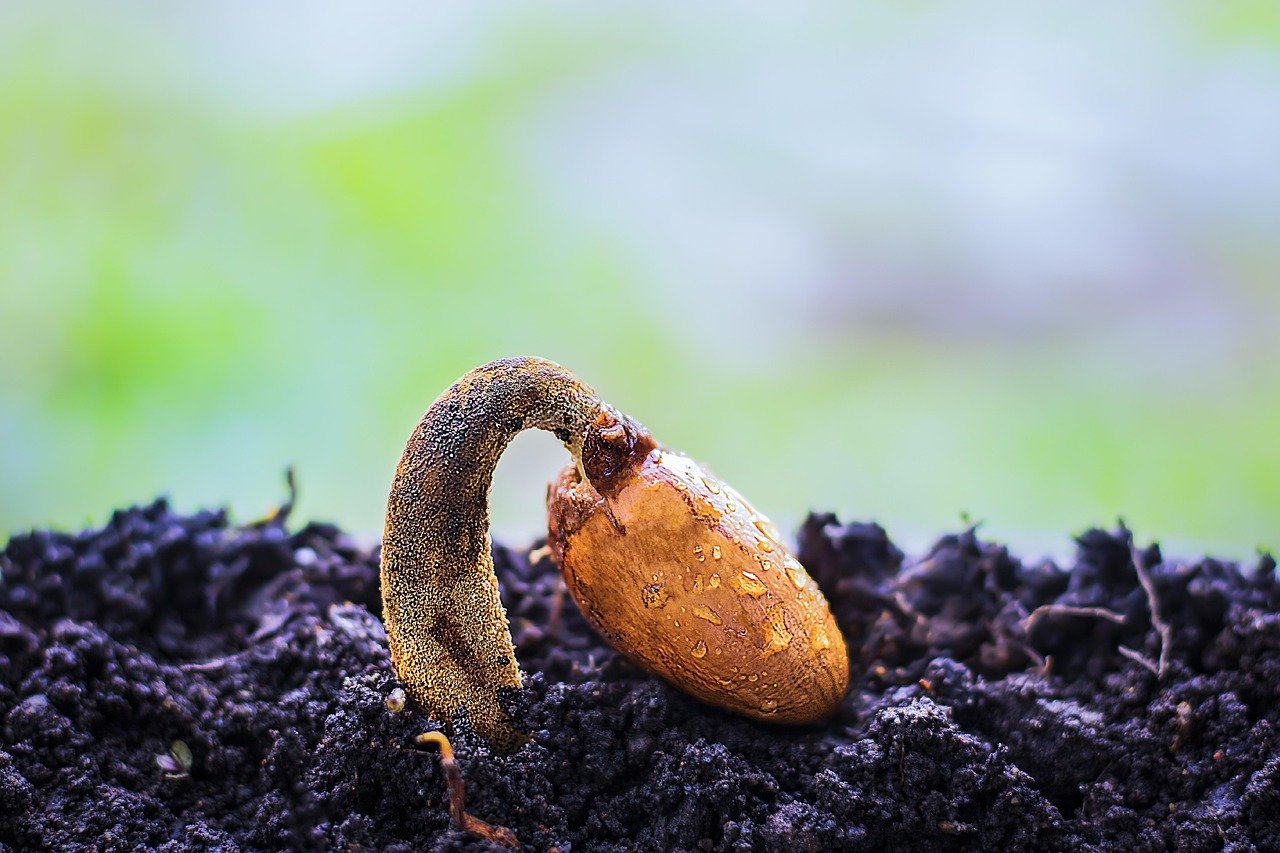
Count only seeds that have produced a visible sprout by the check day. Seeds that are still unchanged at the second count are not going to contribute reliably in the field. The second check at day 12 matters because slow seeds can be missed at the earlier count.
Turning counts into a germination rate
Divide the number of sprouted seeds by the number you started with and express it as a percentage. Keep the starting number written down, because the percentage is meaningless without it.
No single acceptable rate applies to every grower, so use the lot’s own label as the yardstick. In the study, declared seed averaged 96.1% germination, while three-year-old stored seed came in at 65.0% at best. A result close to the declared figure means the seed has held up. A result well below it means the lot is no longer what the label describes, and that is the point to decide between a replacement lot and adjusting your sowing plan.
Certified seed, labels and planning
Certified seed carries a declared germination figure, and the test above checks whether stored seed still matches that claim. The 96.1% average in the hemp study reflects the declared seed of five cultivars. It is a benchmark from that research and not a minimum standard that applies everywhere, so read the label on the lot you actually hold.
Before sourcing seed at all, confirm local rules; the question of is it legal to grow industrial hemp depends on where you farm. Once seed is tested and in the ground, later crop tasks such as topping hemp plants become the next decisions.
Frequently asked questions
| Question | Answer |
|---|---|
| Can hemp seeds be stored at room temperature? | They can, but they lose more germination. In a three-year study, room-temperature seed (20 to 25 °C) germinated at 46.4%, against 65.0% for refrigerated seed. |
| What container works best? | An airtight, opaque container with a desiccant packet, according to a seed-storage guide. Airtight limits moisture and opaque limits light. |
| When should I count sprouts in a germination test? | The hemp study found day 6 and day 12 more appropriate than the officially prescribed day 3 and day 7. |
| Should new seed be tested by a lab? | For fresh seed, yes where possible. The study’s authors say an accredited seed laboratory should test it before use. |