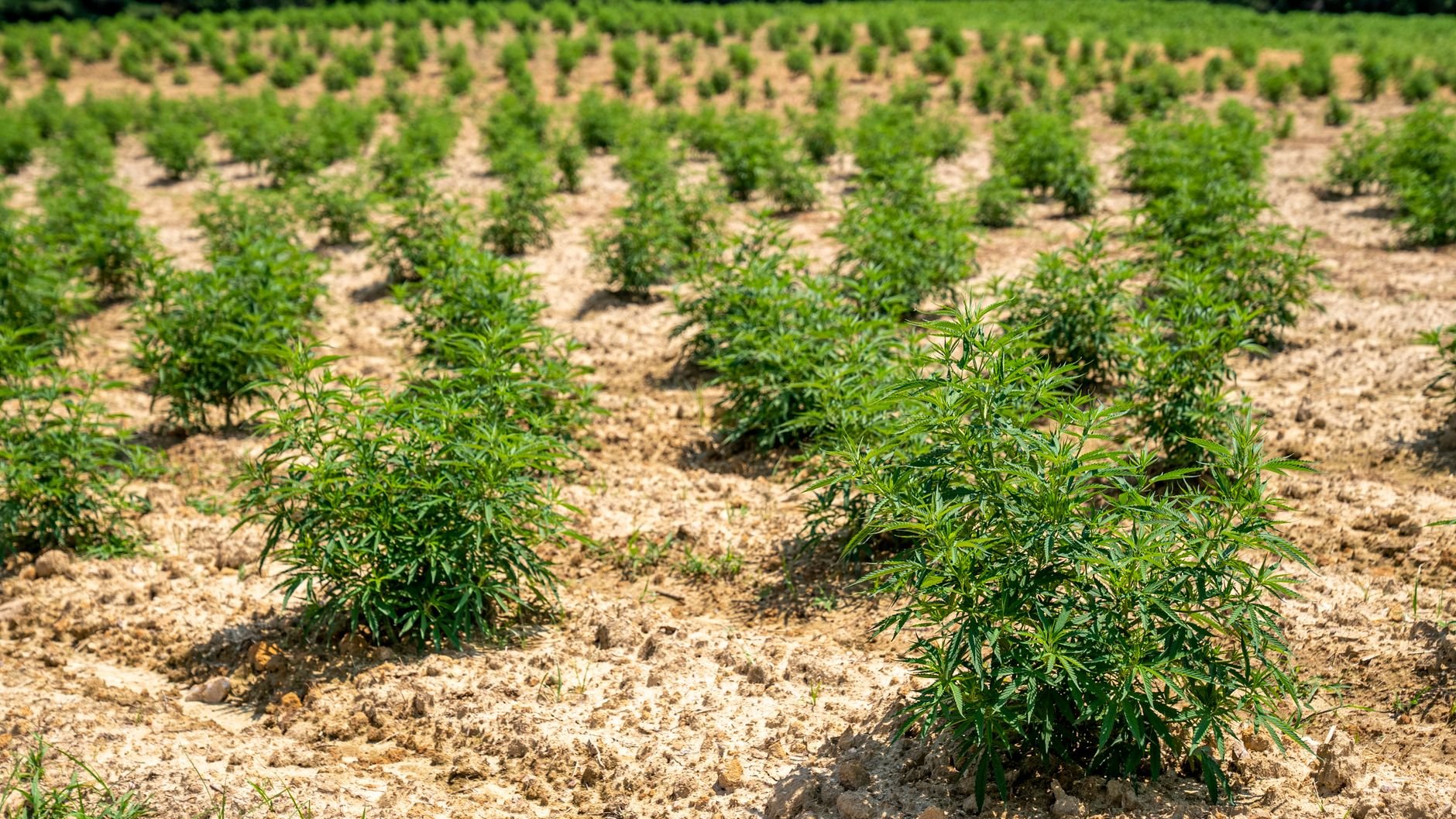
| Crop goal | Equipment direction | Planning use |
|---|---|---|
| Industrial hemp, general field harvest | A combine or similar mechanical device, usually | Start from the combine you can actually access, then settle the header. |
| Hemp harvested on a combine used for cereals | The attachment may need swapping between crops | Allow time and budget for changing or adding a header. |
| Smokable hemp flower | Hand-trimming is usually preferred | Plan labour and drying space rather than a machine. |
| Fiber stalks | A cutting and baling line alongside or instead of the combine | Agree the cut-and-bale arrangement with the operator before planting. |
The combine and hand-trimming rows follow Hunger Mountain Hemp’s harvest overview, and the attachment point follows Cat Used’s combine header listings.
Hemp harvesting equipment depends on the end product: a combine or similar mechanical device is the usual choice for industrial hemp, while smokable flower is usually hand-trimmed. Choose the machine after the crop goal, not before.
The decisions below follow the order in which they arise, from planning to the cut crop. For the wider picture of the crop, see industrial hemp farming.
Phase one: match the machine to the crop goal
Industrial hemp is usually harvested with some type of combine or mechanical device, according to Hunger Mountain Hemp. That makes the combine the default starting point for grain-type harvests. It does not make every combine ready to go. The header fitted to the front of the machine is what determines whether it suits the crop.
Grain or seed
A grower already owning a combine should begin with the header question. Cat Used notes that you may need to swap out the attachment when moving between crops such as cereals, so a machine that cuts wheat cleanly is not automatically set up for hemp. Ask the dealer or operator which header is on the machine and whether a different one is available.
Fiber
Fiber growers face a different list of machines from seed growers. A cutting machine, a way of laying the stalks down and a baler all enter the plan, and a combine may play no part at all. Agree who supplies each step before planting, because the stalk-handling line is much harder to arrange in the middle of the season. The agronomy side is covered in how to grow hemp for fiber.

CBD and smokable flower
Hand-trimming is usually preferred for hemp used for smoking. For a flower product, the question shifts from machines to labour and handling. If the CBD crop is destined for extraction instead, confirm with the buyer or processor how they want the material delivered before choosing any harvest method.
With the crop goal fixed, the next step is the machine itself.
Phase two: prepare the header and the machine
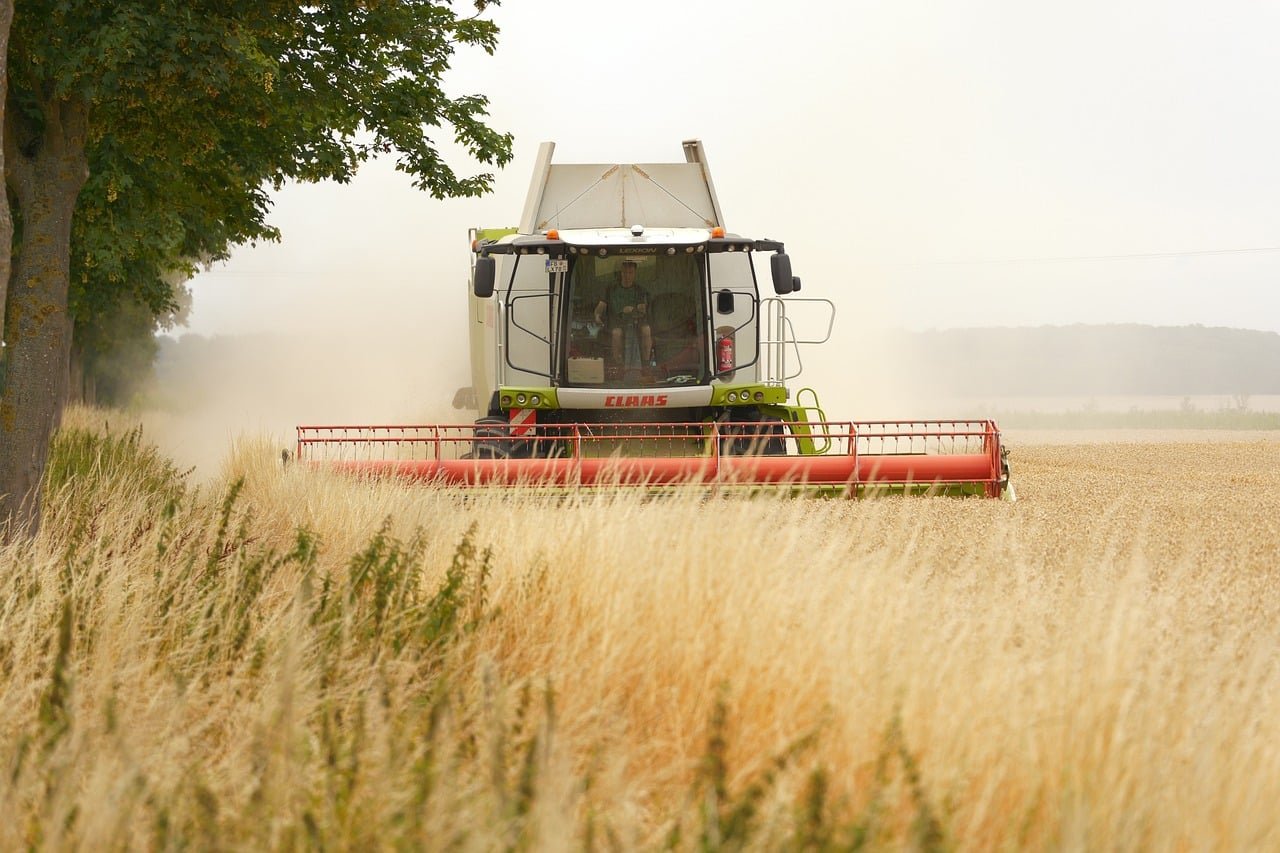
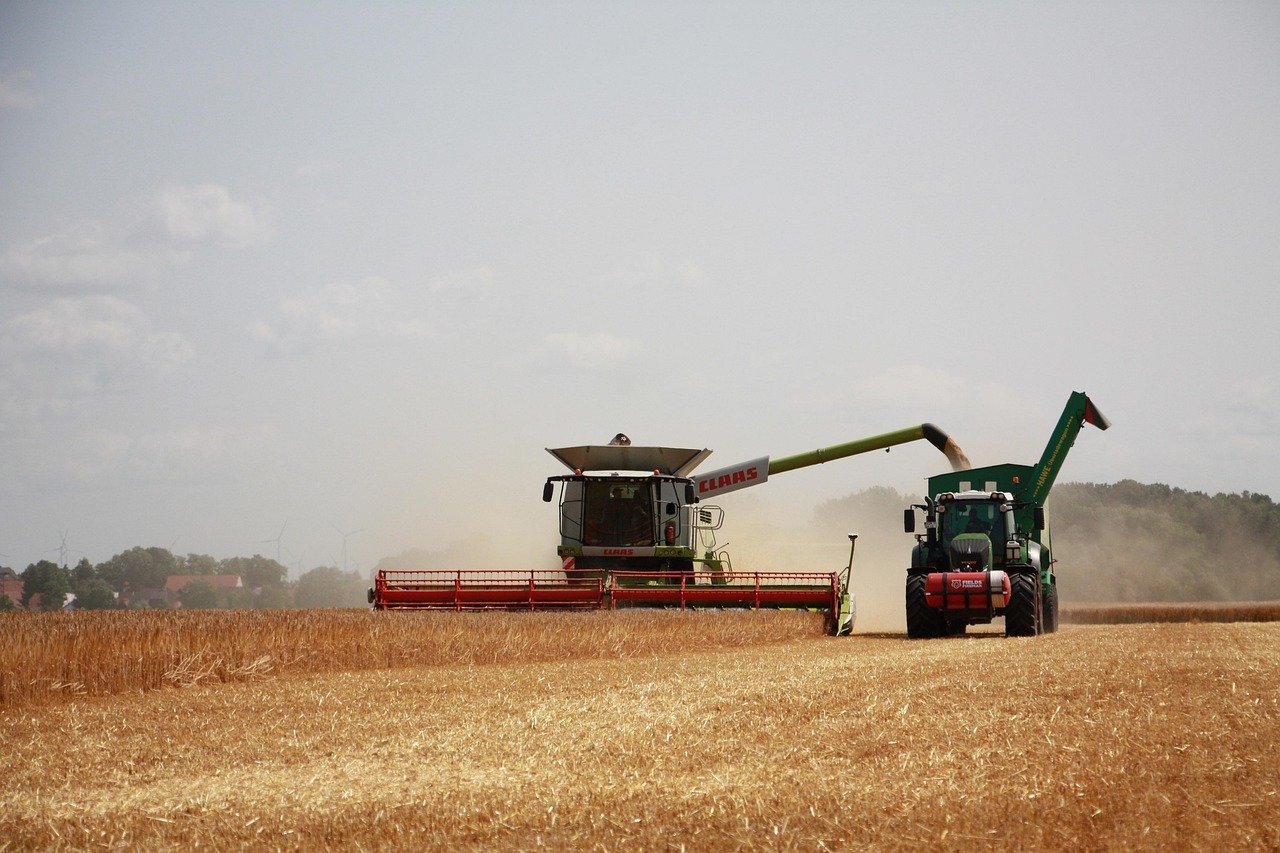
A combine can be fitted with a stripper header. One listing describes a Claas Dominator 106 combine fitted with a Shelbourne Reynolds offset stripper header, as shown on Thatch Advice Centre. A stripper header is the attachment to ask about when the target is the flower or seed rather than the whole stalk, and it is the clearest answer to whether a standard combine can harvest hemp: the base machine can, but the header must be chosen for the job.
Header names vary by dealer, and a hemp stripper header is a specialist item compared with a plain grain header. Work through these steps before the harvest window opens.
- Identify the header. Note which header is on the combine now and whether it can be changed or replaced.
- Ask for a hemp reference. Request the dealer’s or operator’s experience with hemp, not just general grain work.
- Confirm fit. Check that any stripper header, new or used, is compatible with the combine’s make and model.
- Book the work early. Reserve the machine or the custom operator well ahead, since this decision is easy to leave too late.
Questions to put to the seller or operator
Ask how the header handles long fibrous material, what cleaning is expected during the day and who is responsible for damage. These questions cost nothing, and the answers show quickly whether the operator has handled hemp before.
Phase three: harvest day with combine and support machines
A combine rarely works alone. A tractor and trailer typically run alongside it, and grain or seed needs somewhere to go as soon as the hopper fills. Plan the trailer and driver in advance so the combine is not left waiting.
- Walk the field. Check for obstacles and wet or soft ground before the machine enters.
- Set up the header. Fit the chosen header and make sure the operator knows the crop.
- Run a short test pass. Watch how the material feeds before committing to the whole field.
- Stop to clear and inspect. Check the header and cutting parts regularly, because wrapped material is a fiber-crop problem to catch early.
- Keep the transport moving. Have the trailer ready so the combine keeps working.
A flower crop that is to be hand-trimmed follows another sequence entirely, with the labour plan taking the place of this machine line.
Phase four: handling the cut stalks
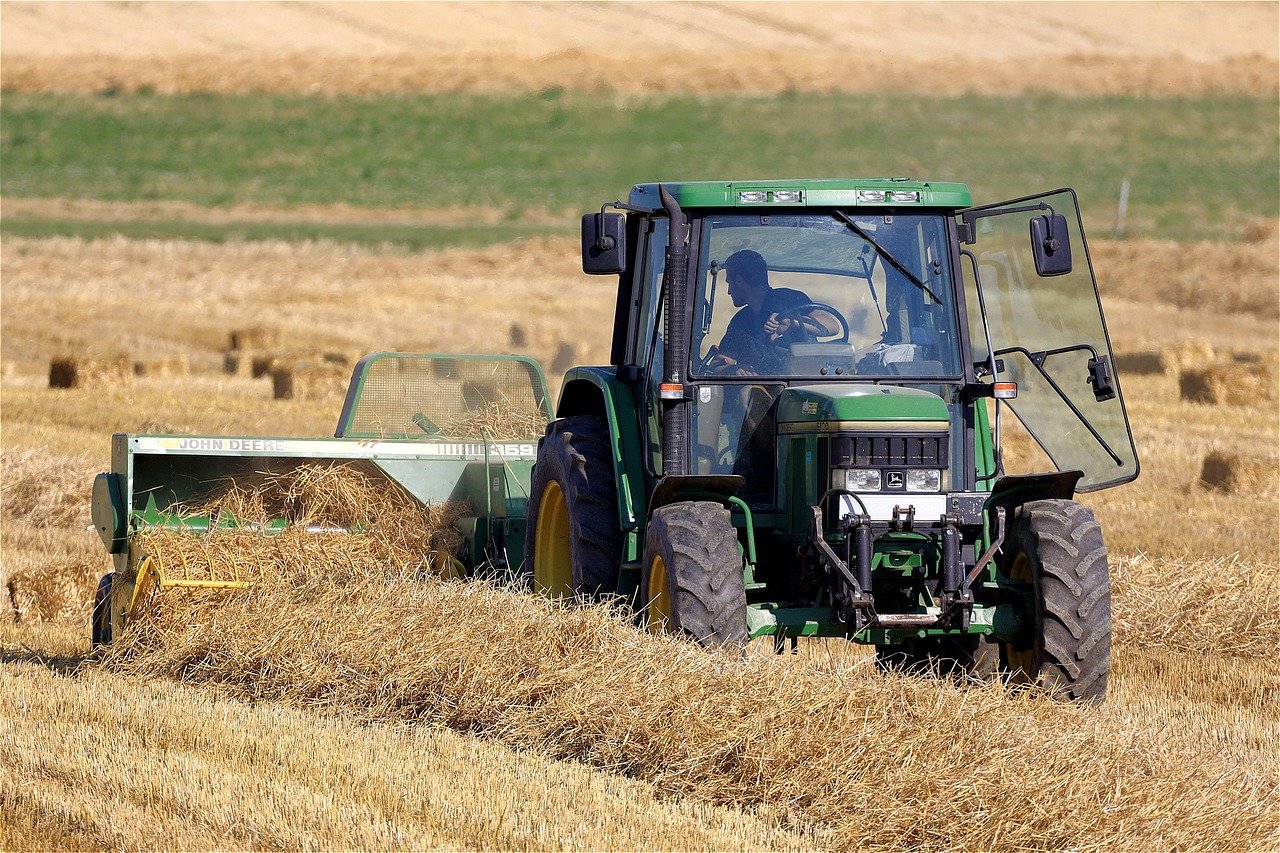
Fiber and some dual-purpose systems leave cut stalks in the field. These are usually laid out in rows and then baled, which means a cutter, a rake or turner and a baler may all be needed. Working out who owns each machine is the practical task here. Each unit is a separate cost, and a gap in the chain leaves cut material on the ground.
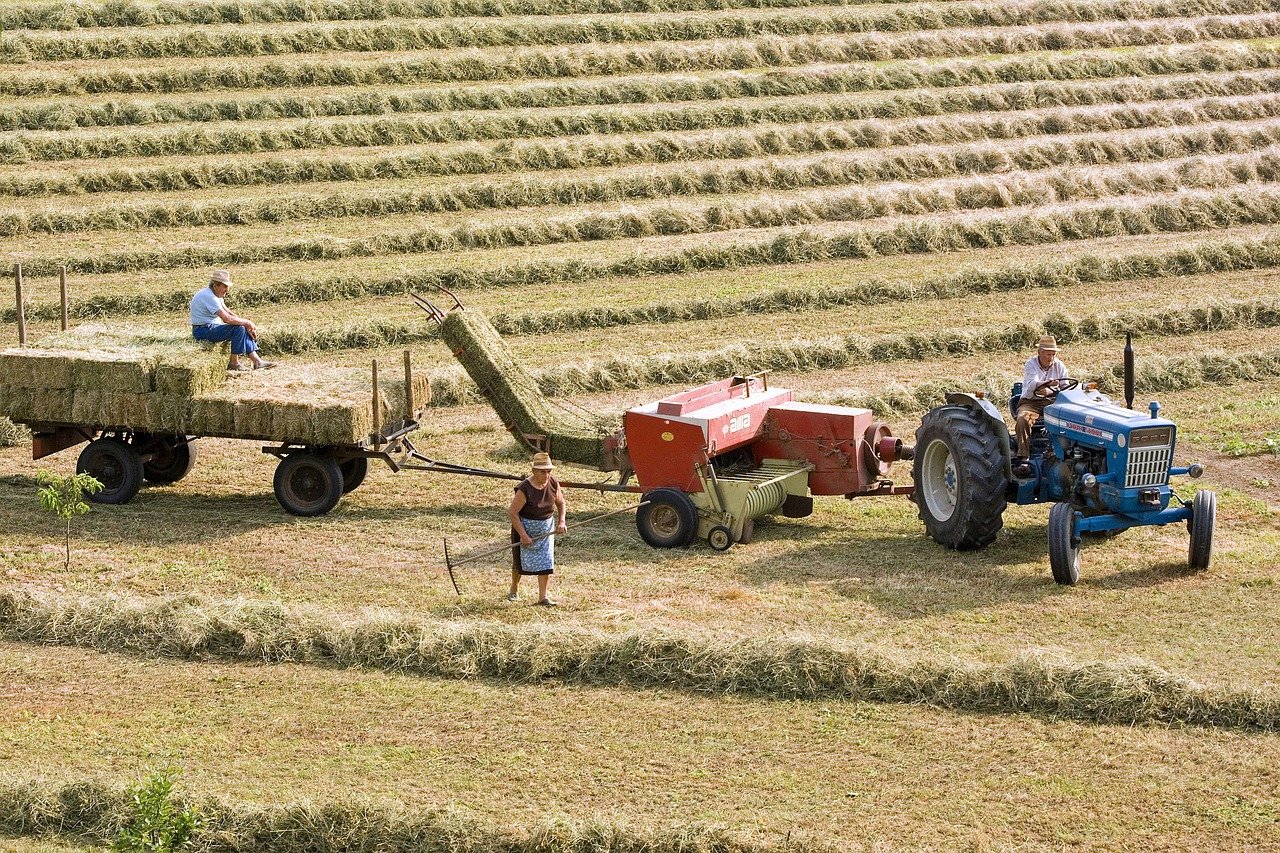
A hemp baler search will turn up many options, and the right one depends on bale size, the handling gear on the farm and what the buyer will accept. Settle those with the buyer before choosing, since the buyer’s requirements are the real specification.
Buy, rent or hire custom harvest
The choice depends on how much hemp you grow and whether you already own a combine or tractor fleet. A custom operator brings the machine, the header and the experience, so you carry no equipment risk. Buying makes sense only when you have enough ground and use for the machine over several seasons.
Which option suits whom
- Custom hire. Suits a first-time or small grower with no combine. You pay for the work and avoid owning a specialist header, but you depend on the operator’s schedule, so book early.
- Renting. Suits a grower with a tractor and a skilled driver who wants control of timing. Check that the rented machine carries a suitable header, not just a base machine.
- Buying a header. Suits a grower who already owns a compatible combine. Used harvester headers can be an affordable option, according to Cat Used, which makes a used hemp header worth pricing before a new one.
- Buying a whole machine. Suits only a larger or long-term operation, where the combine, header and support equipment will all see regular use.
Whatever the route, weigh the machinery cost against the likely return. The numbers for that sit in is hemp farming profitable. A machine that looks cheap can still cost more than hiring if it sits idle most of the year.
Troubleshooting common equipment problems
- The header does not suit the crop. Ask the dealer about swapping the attachment. Cat Used notes that a swap may be needed when changing crops.
- No hemp-experienced operator is available. Widen the search for custom hire, or ask a dealer to put you in touch with other growers.
- A flower crop is overwhelming the labour. Hand-trimming is delicate and time-consuming, so recruit and schedule help before the crop is cut, not after.
- The cut stalks have no baler booked. Contact the buyer to confirm what bale form is acceptable, then book the baling contractor.
Frequently asked questions
Can a standard combine harvest hemp?
A combine is the usual machine for industrial hemp, but the header matters as much as the combine. Check the fitted header with the dealer or operator before relying on it.
Which header types do dealers list?
Cat Used lists grain, corn, sunflower, pick-up, dummy and draper headers. Ask which of these, or a stripper header, the seller recommends for hemp.
Which combine brands appear among used headers?
John Deere, Claas and New Holland headers appear in used listings. Make sure any header is compatible with your own combine before buying.
Is hand-trimming slow?
Yes. Hunger Mountain Hemp describes hand-trimming as delicate and time-consuming, which is why labour planning matters for smokable flower.