| Measure | Value and condition | Planning use |
|---|---|---|
| Average last spring frost | May 4 at the Denver Water Dept station, 5,229 ft (30% probability threshold, 1991–2020 normals) | Starting reference for timing frost-tender transplants, not a safe-planting guarantee |
| Average first fall frost | Oct 6 at the same station | Marks the end of the season for crops that cannot take frost |
| Frost-free days | 154 days at 5,229 ft | Compare against a crop’s days to maturity when choosing varieties |
| Denver-area first frost (gardening calendar) | Mid-October, varying by several weeks from year to year | Keep a buffer when scheduling late harvests |
| Frost probability behind the dates | About a 3 in 10 chance of frost | Reason to hold back tender plantings a little past the average date |
Figures come from the Almanac frost-date table for Denver, which uses NOAA normals, and a Colorado gardening calendar for the mid-October note.
Colorado growing season length at the Denver Water Dept station averages 154 frost-free days, from a May 4 last spring frost to an Oct 6 first fall frost. Other elevations and microclimates will differ.
This guide follows the season in order, from the last spring frost to the first fall frost, and sits within the wider picture of colorado agriculture. For the broader weather drivers behind these dates, see how does climate affect farming in colorado.
Before the last spring frost
The Denver Water Dept station lists an average last spring frost of May 4 at 5,229 ft. That date uses a 30% probability threshold, so it marks the point after which frost becomes unlikely, not impossible. The Almanac page derives it from 1991–2020 NOAA climate normals and describes frost dates as a flexible guide, not a guarantee.
The practical reading is simple. Cold-hardy crops can go out earlier, because a surprise frost costs little. Frost-tender crops such as tomatoes gain from waiting a little past the average date, because a loss means replanting and the extra days rarely shorten the season much.
Steps for spring planning
- Find the nearest station. Use the dates for the town closest to your site, and note its elevation. The Denver figure belongs to a station at 5,229 ft, so a site at a very different elevation should not borrow it unchanged.
- Adjust for your own ground. Microclimates can make a site warmer or cooler than nearby towns, so a low, cold pocket may frost later than the published date.
- Sort crops by frost tolerance. Plant hardy crops first and keep tender transplants in reserve until the risk has dropped.
- Watch the forecast near the date. The average is a starting point. The forecast for the nights ahead should make the final call.
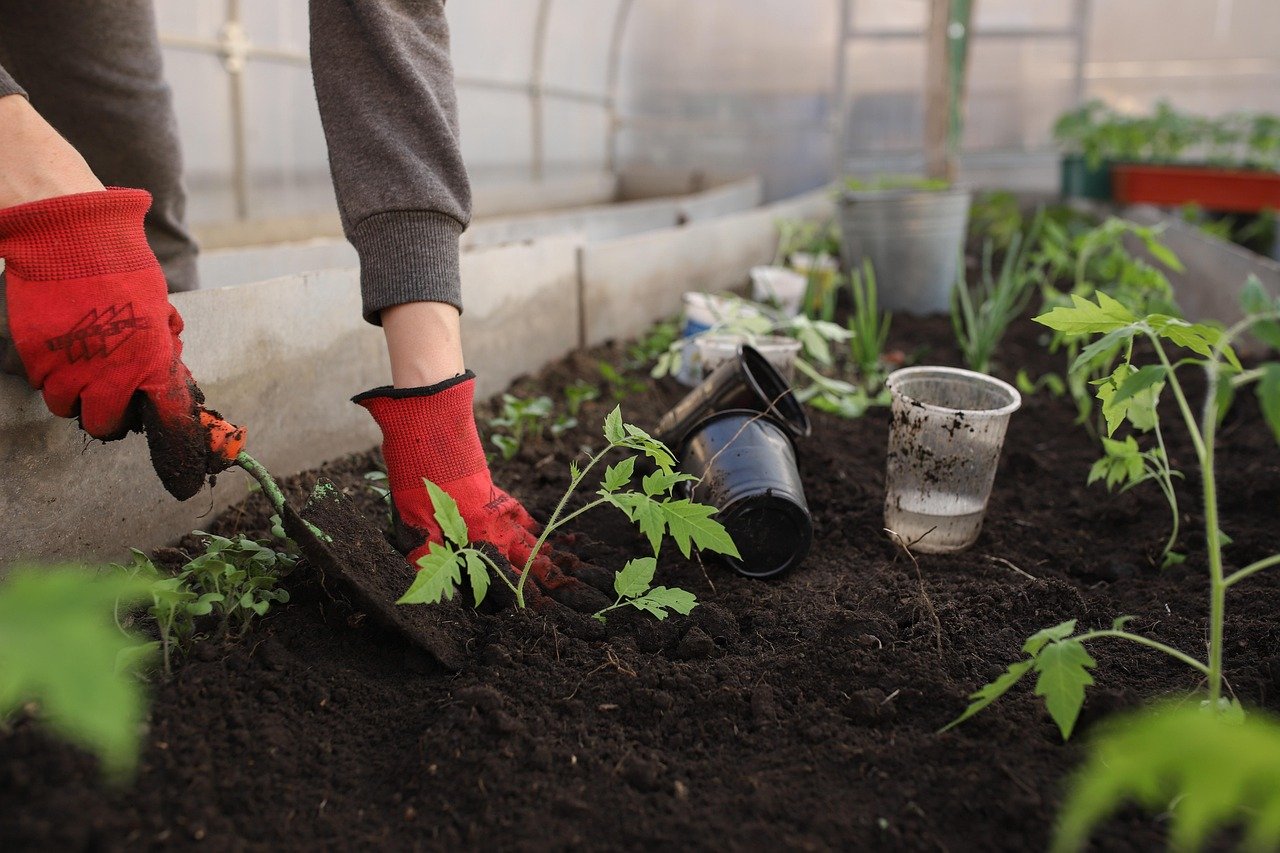
Late spring frosts and fruit growers
Late spring frosts matter for fruit growers because cold is not the only thing that decides whether a perennial plant survives. Winter minimum temperature sets a plant’s hardiness zone, but factors such as snow cover, summer heat, humidity, soil moisture and spring frosts also affect survival. A fruit tree rated hardy for a site can still be set back by a spring frost.
For orchard and berry planning, treat spring frost as its own risk, separate from the zone rating. Check how late frost has arrived at your site, and favour locations that do not hold cold air. The 30% threshold behind the Denver date also means frost after that date remains a real possibility in some years.
Hardiness zones and what they leave out
The USDA Plant Hardiness Zone Map divides the country by winter cold. A zone is set by minimum temperatures and the minimum number of days at that minimum. The same page points to the 2023 map, which replaced the 2012 version. The first USDA zone map dates to the 1920s and was made to help farmers.
Zone ranges across Colorado depend on where you stand, so look up the exact location on the 2023 map rather than relying on a statewide figure. Zones answer a different question from frost dates, as the comparison shows.
| Measure | What it tells you | What it leaves out |
|---|---|---|
| USDA hardiness zone | Whether a perennial plant is likely to survive winter minimums | Spring frost timing, summer heat, humidity and soil moisture |
| Average frost dates and frost-free days | How much of the year is open for tender annual crops | Year-to-year swings and site-level microclimates |
The comparison draws on the hardiness zone explainer and the frost-date page.
Front Range gardeners are encouraged to “stay in their zone”, choosing plants from the centre of their native range. Use the zone for perennials and the frost dates for annuals. Soil moisture is one of the extra survival factors, and how is water used in colorado agriculture covers the supply side of that question.
High-elevation seasons and a shifting calendar
Elevation changes the season more than any other single factor, and published frost dates for lower towns do not transfer to mountain sites. Mountain growers should look for station records near their own elevation rather than scaling a Denver figure.
Records from the high country show the season moving. At Gothic, Colorado (9,500 ft), the flowering season has expanded by over a month over the last 40 years. Across the Western US, snow melt is 15–30 days earlier than 25 years ago, spring arrives earlier and summer is longer.
Those trends are useful context, but they do not remove the need for caution. A longer average season at altitude does not stop a late frost from arriving on a given night. Short-season crops such as hay still suit these sites better than crops needing the full length of a lower-elevation season.
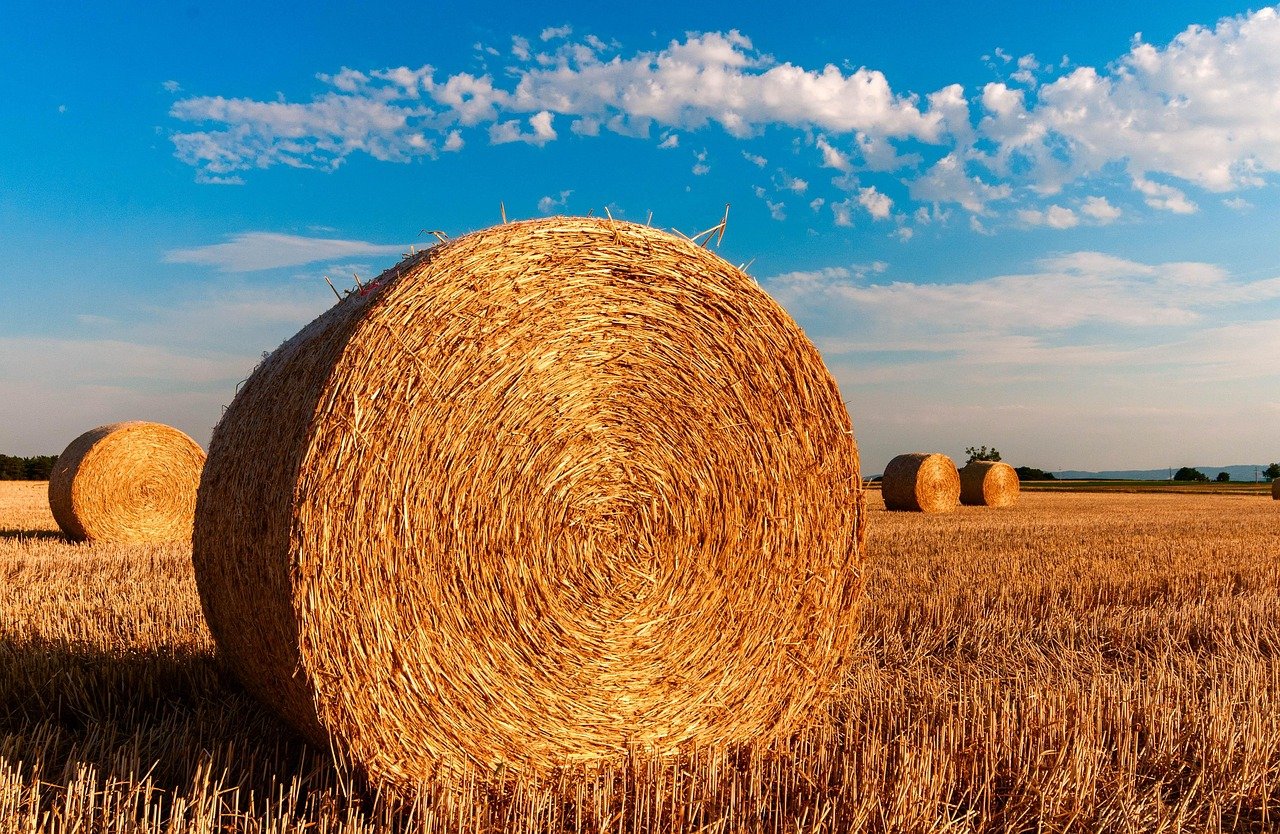
First fall frost and late-season planting
A Colorado gardening calendar puts the average first frost for the Denver area in mid-October, and notes that it can vary by several weeks from year to year. The two sources agree on early to mid-October, so schedule harvests of tender crops with room to spare.
The same calendar says late July and early August are the times to plant fall vegetables such as peas, broccoli and kale. That timing lets a second round of crops grow in the cooling months before frost.
Steps for fall planning
- Plant fall crops in the late July to early August window. Peas, broccoli and kale are the examples the calendar gives.
- Finish tender crops first. Pick the frost-sensitive harvest before the first cold night, then leave hardier crops for later.
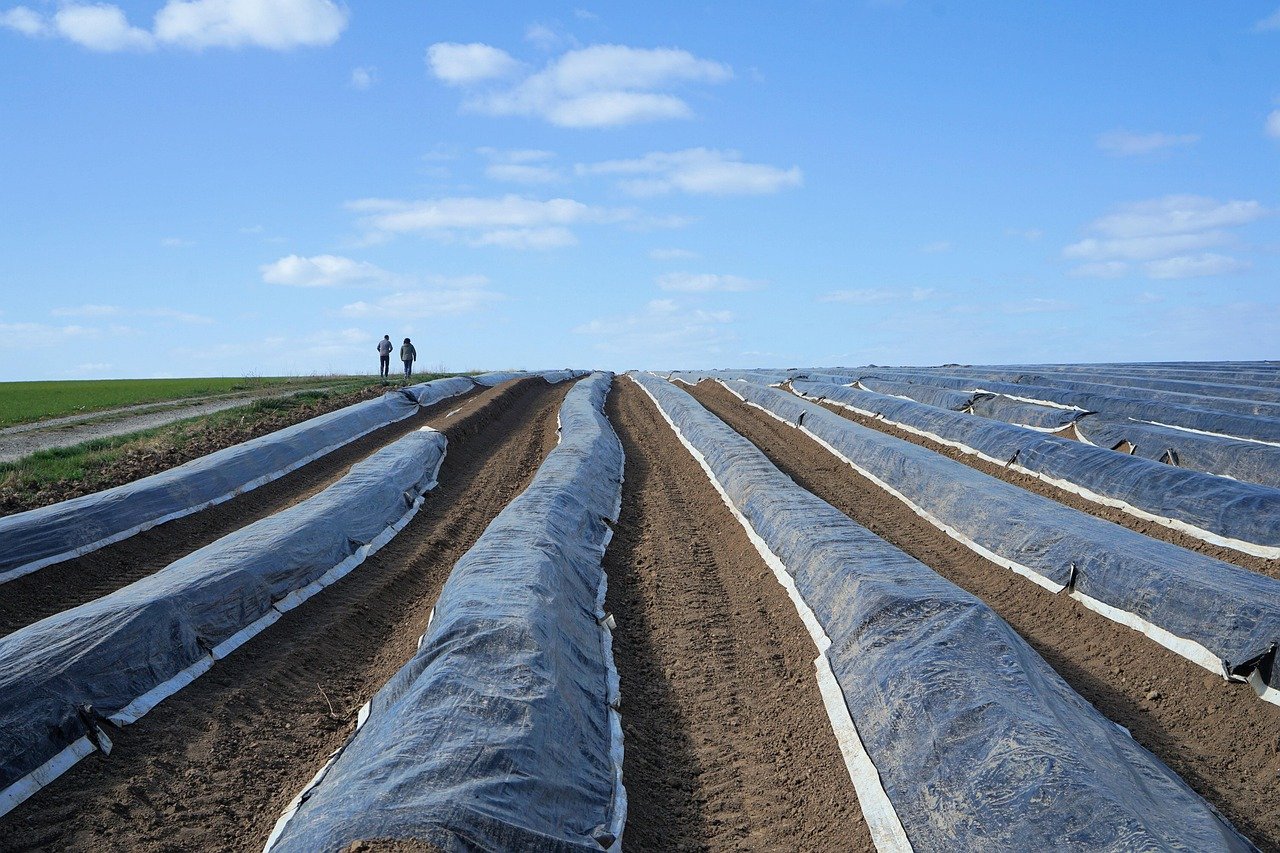
Troubleshooting frost-date surprises
- Frost arrives after the average last date. This is expected in some years, since the date reflects about a 3 in 10 chance of frost per the Almanac. Hold tender plantings back rather than treating the average as a safe date.
- Your site runs colder or warmer than the nearest town. Microclimates account for this. Record your own first and last frosts over a few seasons and trust that record over the published average.
- A hardy plant dies despite a suitable zone. Winter minimums are only one cause. Check spring frost exposure, soil moisture, summer heat and snow cover.
- Fall harvest is cut short. The first frost can shift by several weeks, so start fall crops at the early end of the planting window.
Frequently asked questions
Is Denver’s average last frost date a safe planting date?
No. The May 4 figure marks a 30% probability threshold, so frost can still occur afterwards in some years.
Can I use Denver’s frost dates for a mountain farm?
Not directly. The Denver figure belongs to a station at 5,229 ft, and elevation and microclimate can make other sites warmer or cooler.
Which USDA map should I use for Colorado?
The 2023 USDA Plant Hardiness Zone Map is the current version. It replaced the 2012 map, and zones should be looked up by exact location.
Has the high-country growing season changed?
Records at Gothic, Colorado (9,500 ft) show the flowering season expanding by over a month in 40 years. Frost risk still remains from night to night.