| Topic | Documented value | Planning use |
|---|---|---|
| Whole food plant-based (WFPB) diet | Predominantly unprocessed fruits, vegetables, whole grains, legumes, nuts and seeds | Treat this as the default pattern before adding any herb, powder or capsule. |
| Protein | RDA of 0.8 g per kg of body weight, or 10-11% of calories | Use as a baseline when comparing meals, not as a reason to buy a protein product. |
| Carbohydrate | RDA of 130 g per day for children and adults | Grains, legumes and fruit are core WFPB foods that supply it. |
| Calcium | RDA of 1,000 mg/day for most adults; 1,200 mg/day for women over 50 | Check the figure for your age and sex, then look at absorption, not only content. |
| Bok choy calcium | 160 mg per cup, with 50% bioavailability | A reminder that a food’s listed content is not the same as what the body absorbs. |
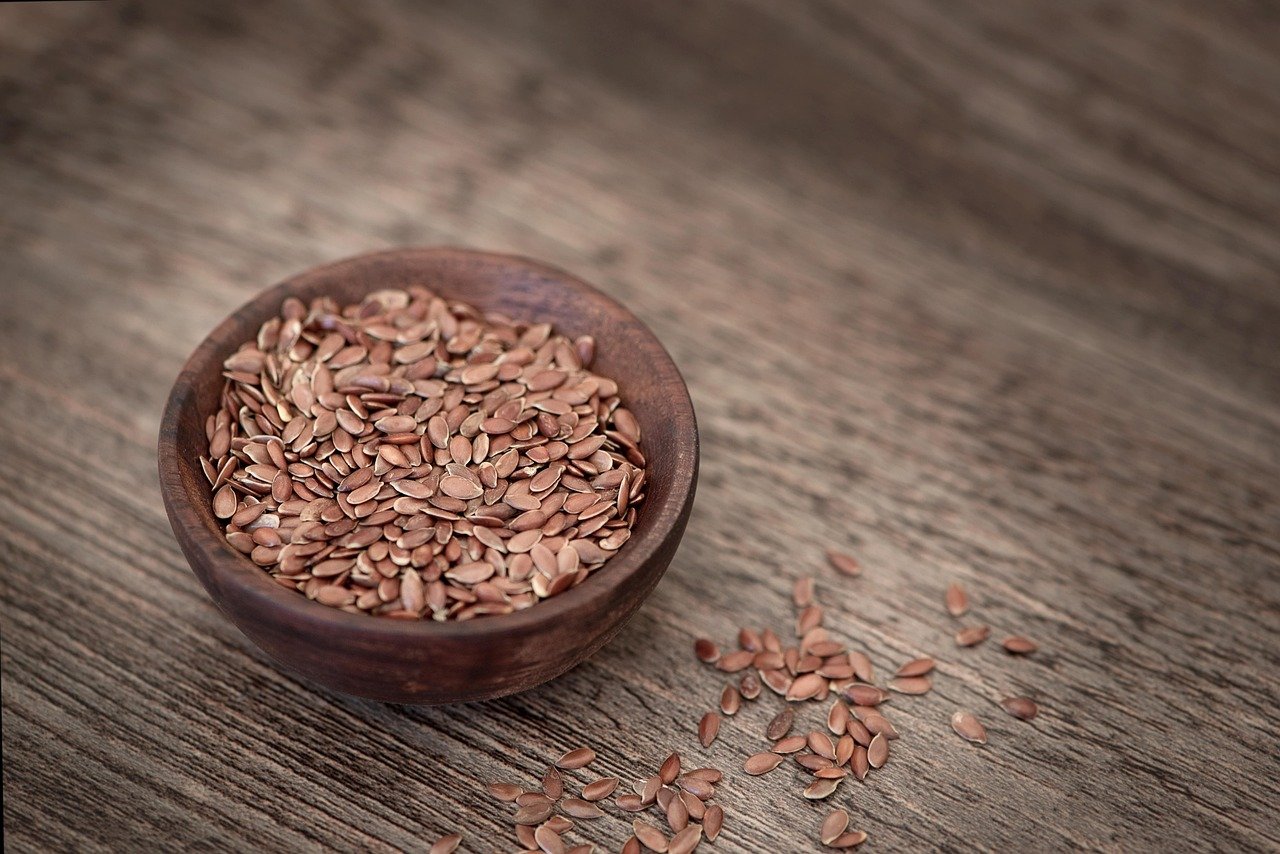
| Omega-3 (ALA) | Adequate intake of 1.6 g/day for adult males; flaxseed supplies 2.35 g ALA per tablespoon | Pick a named seed source rather than assuming a general “omega” product covers it. |
| Vitamin B12 and choline | Mainly found in animal sources; nutritional yeast is a plant-based alternative | The nutrient to plan for first on a fully plant-based diet. |
Figures above come from the American College of Lifestyle Medicine’s plant-based nutrition overview and Everyday Health’s plant-based diet guide.
Plant based wellness works best as a food-first habit: build meals from whole plant foods, then judge any herb or dietary supplement against documented evidence rather than label promises.
Readers on a fully plant-based diet can start with vitamin b12 for vegans, because that is the nutrient most often flagged as hard to get from plants alone. Everything else below is sorted by the decision it helps with.
What plant-based wellness covers
Plant-based wellness is two different things sold under one name. One is a way of eating, which has a clear definition and a body of general guidance. The other is a shelf of individual botanical products, each of which needs its own evidence. Keeping them apart is the single most useful habit for reading anything in this area.
The food pattern comes first
The American College of Lifestyle Medicine describes a whole food plant-based diet as one built predominantly from unprocessed fruits, vegetables, whole grains, legumes, nuts and seeds. That definition is about the pattern of a whole diet, not about any single ingredient. Oats, lentils, leafy greens and seeds all qualify, and none of them needs a wellness label to do so.
This pattern suits readers who want a practical starting point without buying anything new. It also suits those who are curious about herbs but want a stable base first, because an herb added to a poorly planned diet is unlikely to be the part that matters.
Herbs, extracts and powders come second
Herbs, extracts and green powders are a separate category. A finding about a whole diet does not transfer to a capsule made from one plant, and a study on a food does not prove the same effect from a concentrated product. Each botanical deserves a short, specific look at what is documented, what is only traditional or promotional, and what conditions apply to it. The sections below show where each dedicated guide fits.
Nutrients to plan for on a plant-based plate
A plant-based diet can meet nutrient needs, but the condition is planning. The American College of Lifestyle Medicine states that intentionally planned whole food plant-based diets provide sufficient nutrient intakes for all stages of life. Everyday Health makes the same point in plainer terms: with careful planning, a plant-based diet can be safe and healthy for everyone. Both statements depend on the words “planned” and “careful”. Removing animal foods without replacing what they supplied is not the diet those statements describe.
Protein
The RDA for protein is 0.8 g per kg of body weight, or 10-11% of calories, according to the lifestyle medicine overview. That is a baseline for adults, and it makes protein a question of variety across the day rather than a reason to reach for powders. Everyday Health lists lentils, chickpeas, hemp seeds, tofu, nuts and quinoa among plant protein sources. Anyone building a weekly menu can use that list as a rotation and then read the guide to the best plant based protein sources for how the options compare.
Calcium and absorption
The RDA for calcium is 1,000 mg/day for most adults and 1,200 mg/day for women over 50. The same source gives a useful example of why content alone misleads: bok choy contains 160 mg of calcium per cup but has a bioavailability of 50%. The decision this supports is simple. When comparing calcium-rich plant foods, ask how well the calcium is absorbed as well as how much a food contains. Bioavailability figures for other foods should come from a reliable food or nutrient reference, not from a product’s front-of-pack claim.
Minerals beyond calcium have their own page. A reader trying to work out which plant foods to emphasise can start with plant foods high in magnesium.
Omega-3 from plants
The adequate intake for alpha-linolenic acid (ALA), a plant omega-3 fatty acid, is 1.6 g/day for adult males, and a tablespoon of flaxseed has 3 g of fat with 2.35 g of ALA, per the same overview. The adequate intake is a stated target for one group, not a limit and not a universal figure, so readers outside that group should look up the value that applies to them. The flaxseed number is useful because it names a specific food and a specific serving. When a supplement label promises “omega-3”, the first question is which kind and how much. The guide to plant based omega 3 sources goes into the options.
Carbohydrate and everyday energy
The RDA of carbohydrates for children and adults is 130 g per day. The whole food plant-based pattern defined above is built on grains, legumes and fruit, so carbohydrate is rarely the nutrient that a well-built plant-based plate lacks. The practical choice is between less processed and more processed sources, and the definition favours the less processed end.
Vitamin B12 and choline
Everyday Health notes that vitamin B12 and choline are mainly available in animal sources, with plant-based alternatives such as nutritional yeast. This is the clearest case on the page where food planning alone has a recognised limit. Anyone cutting out animal foods entirely should treat B12 as a planned item from the start rather than a problem to notice later, and should discuss the best route with a doctor, dietitian or pharmacist.
Hemp seed nutrition and other seeds
Yes, hemp seed counts as a nutritious plant food in the sense that matters for planning: Everyday Health includes hemp seeds in its list of plant-based protein sources next to lentils, chickpeas and tofu. That makes them a reasonable way to add protein variety to a plant-based menu, particularly sprinkled on foods that are already part of the day.
A single food does not make a diet, and a list entry is not a nutrient breakdown. The product in the bag determines what a serving contains, and hulled, ground and oil-based hemp products are not interchangeable. For exact values, the package label and a food composition database such as USDA FoodData Central are better references than a marketing page. Seeds as a group sit inside the whole food plant-based definition, which names nuts and seeds, so hemp is best treated as one of several seeds rather than a standalone fix.
Flaxseed shows what a documented seed figure looks like. As covered above, the lifestyle medicine overview gives its ALA content per tablespoon, which allows a real comparison with a stated intake target.
Herbs, teas and powders: reading the evidence
Botanical products sit outside the evidence on whole-diet patterns, so each needs its own short check. The dedicated guides on this site take one plant at a time. A sensible order is to read the guide first, then decide whether the herb is worth discussing with a pharmacist or doctor, especially for anyone taking medication or managing a health condition.
Calming herbs
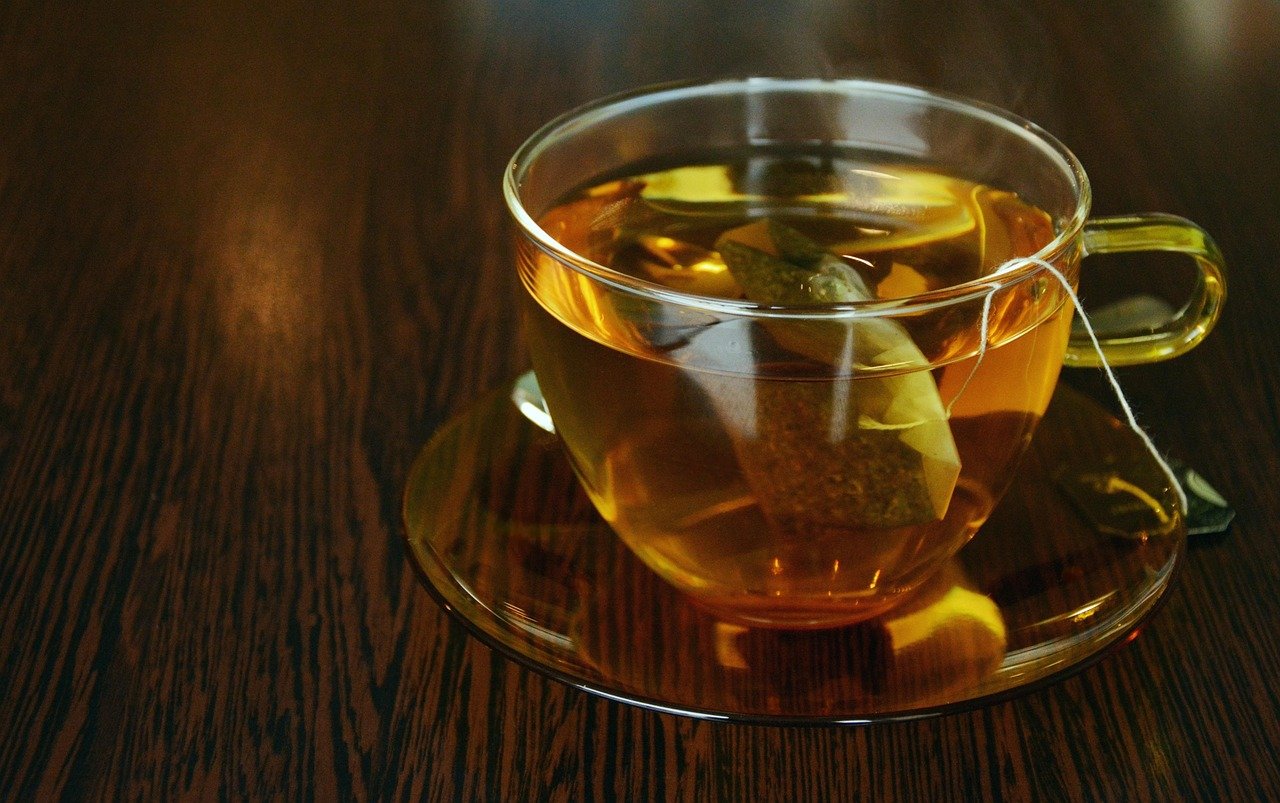
Chamomile is the herb most often associated with evening routines, and readers who want the details can open chamomile tea benefits to see what is and is not supported. Ashwagandha is usually sold as a capsule or powder rather than a tea, which changes how it should be read, and what is ashwagandha covers it separately. The practical difference matters. A cup of herbal tea is a food-like habit with a low barrier to stopping. A concentrated extract is a dietary supplement, and the amount and form on the label become part of the decision.
Seasonal and immune-themed herbs
This is the area where marketing runs furthest ahead of evidence, so the safest route is one herb at a time. Three guides cover the main names: what is elderberry good for, what is echinacea used for, and american ginseng vs asian ginseng. Readers dealing with a current illness can start with herbal remedies for cold and cough. A persistent or worsening illness is a reason to see a clinician, not to add a second herb.
Teas, greens and powders
Green tea and matcha are the same plant prepared differently, and matcha vs green tea sets out how the choice plays out in practice. What is moringa good for looks at a leaf powder that is often promoted broadly, and spirulina vs chlorella compares two algae products that are frequently confused. For all three, the question is the same: which part of the plant, in what form, and with what evidence?
- Choose a tea when the aim is a simple, low-commitment routine and the ingredient is a single named plant.
- Choose a powder only after reading what is documented for that exact ingredient, since powders concentrate both the plant and any contaminants or interactions.
- Wait if the product is a blend with no ingredient amounts, because there is nothing to compare against any reference.
Dietary supplements: when food is not enough
A dietary supplement is something taken in addition to food, so its role is to fill a specific gap. That framing gives the clearest rule in this guide: if a plan is already working, a supplement is optional, and if a plan has a known gap such as B12, a targeted supplement is the logical tool. A general “wellness blend” does neither job well.
Whole food plant-based diets are described as sufficient when intentionally planned, so a supplement should answer a defined question rather than act as insurance against an unexamined diet. For vitamin B12 the framing is concrete: the lifestyle medicine and Everyday Health overviews both place it among nutrients that need attention on plant-based diets, and vitamin b12 for vegans covers the practical side.
Reading a label
Reading a supplement label is a skill that pays off every time. The useful checks are the same for any product:
- Identify the exact ingredient. A plant name should be specific, with the part of the plant used.
- Find the amount per serving. A product that lists an ingredient without an amount cannot be compared with any reference figure.
- Compare against a named reference. Where an RDA or adequate intake exists, such as those in the table above, check the stated amount against the value for your age and sex.
- Treat health claims as claims. A sentence on the front of a pack is marketing until it matches a documented source.
- Ask a professional about interactions. A pharmacist or doctor is the right person to check a botanical against existing medication or a medical condition.
Beyond food and capsules
Topical products follow the same logic as supplements: an ingredient list is a starting point, not proof of an effect. The guide to plant based skincare ingredients applies the same questions to products used on the skin.
Daily habits for sleep and stress
Daily habits can support sleep and stress management, but the evidence collected for this guide supports the food side much better than any single sleep or stress product. That shapes the advice: begin with routines that cost nothing and carry little risk, and treat herbs as an optional extra rather than the foundation. Routines are not treatments. Trouble sleeping or feeling overwhelmed that continues despite sensible habits belongs with a doctor, not with another product.
Movement and stretching
A short stretching or yoga session is a low-cost habit that fits into the evening and needs only floor space and a mat. It suits people who want a routine that signals the end of the day. No claim is made here that stretching treats a sleep or stress condition, and the best session is the one that feels comfortable and that a person will repeat.

A calm place to sleep
The bedroom is the other part of the routine that costs nothing to adjust. Soft bedding, light that can be reduced and a space reserved for rest make the setting simple. A consistent pattern is easier to follow than an elaborate one, and it gives a fair test of whether any herb or tea adds something extra, because the baseline is steady.

Evening drinks
A warm, caffeine-free drink is a common way to mark the end of the day, and herbal teas fit that role. The ritual of making and drinking it can matter as much as the plant in the cup, and the label should name the plant or plants used. Caffeine-containing teas, including green tea and matcha, are a different choice for a different time of day, as matcha vs green tea explains. Readers curious about what a particular herbal tea is documented to do can check that herb’s own guide before expecting more than a pleasant routine.
From field to shelf: the crops behind plant wellness
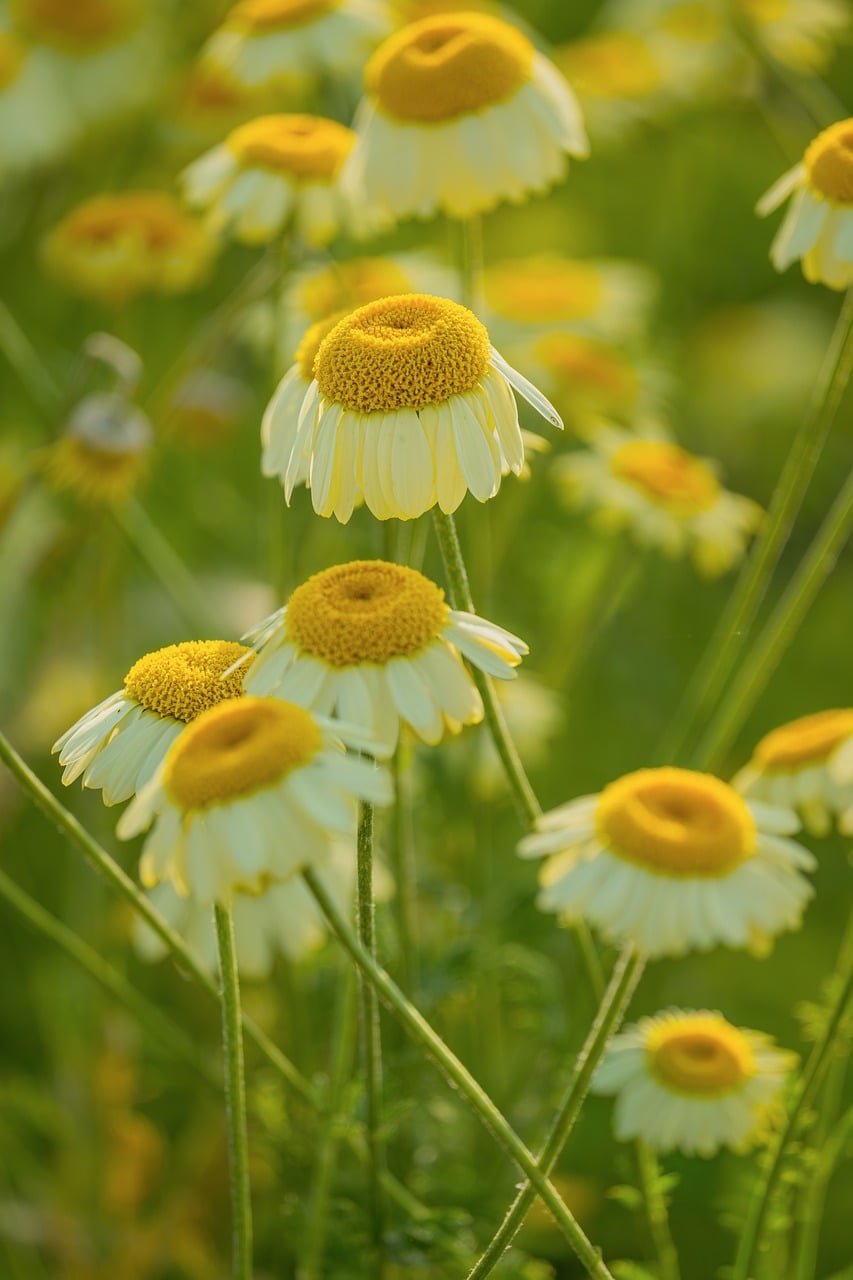
Most wellness products begin as crops. Oats, flax, hemp, chamomile and the leaves and roots sold as powders are all grown, harvested and processed before reaching a shelf. That chain is why this site links wellness back to what farmers grow: it gives readers a better set of questions than a label’s adjectives do.
- Which plant and which part? A seed, a leaf, a flower and a root from the same family can be different products.
- How was it prepared? Dried, ground, brewed and extracted forms are not interchangeable, and a figure for one form does not transfer to another.
- What does a documented figure actually cover? The flaxseed ALA value, for example, is stated per tablespoon of flaxseed, not per capsule of an unnamed oil.
Gardeners and home growers can bring the same thinking to their own herbs. How a herb is dried and stored affects what ends up in the jar, and how to dry herbs at home covers the practical steps.
Separating documented facts from marketing claims
Three kinds of statements appear in plant-based wellness writing, and they deserve different levels of trust.
- Documented reference values. Figures such as the RDAs and adequate intakes in the table above come with a stated group and unit. They are the most reliable numbers on this page, and they apply to the groups named.
- Reported research findings. Everyday Health reports that research has found plant-based diets can improve longevity and reduce the risk of heart disease, hypertension and diabetes. That describes a diet pattern, not a product, and a reported finding is an invitation to read further rather than a guarantee for any one person.
- Marketing claims. Words such as “detox”, “immune boosting” and “natural balance” do not point to a documented quantity or group. Absent a named source, they carry no information that can be checked.
A plant origin alone is not evidence of benefit, and it is not evidence of safety either. The more specific a claim is about ingredient, amount and group, the easier it is to check, and the less specific it is, the more caution it deserves.
Where to start
The order matters more than the shopping list. These steps move from the most documented ground to the least.
- Plan the food pattern. Build meals from the whole plant foods in the definition: fruits, vegetables, whole grains, legumes, nuts and seeds.
- Check the nutrients with known limits. Start with B12, then review calcium, omega-3 and protein against the reference values for your age and sex.
- Add seeds for variety. Hemp seed for protein variety and flaxseed for its documented ALA figure are simple additions to foods already eaten.
- Set up the routine. Choose a movement habit, a calm sleep setting and, if wanted, a caffeine-free evening drink.
- Look at herbs last. Read the specific guide, check the label against the questions above and talk to a pharmacist or doctor if medication or a health condition is involved.
Frequently asked questions
Does a plant-based diet always need a supplement?
Not necessarily for every nutrient, because intentionally planned whole food plant-based diets are described as sufficient for all stages of life. Vitamin B12 is the exception worth planning for, since it is mainly found in animal sources and nutritional yeast is one plant-based alternative.
Is a plant-based diet safe for everyone?
Everyday Health says that with careful planning a plant-based diet can be safe and healthy for everyone. The planning is part of the statement. Individual medical conditions, pregnancy and medication are reasons to involve a doctor or dietitian.
Where can exact nutrient values for a specific food be checked?
USDA FoodData Central is a good reference for specific foods, and the label on the package gives the figures for the exact product in the bag. Both are more precise than a general list of plant protein sources.
Does “natural” on a label mean a product has been shown to work?
No. A plant origin does not document a benefit or safety on its own. Look for a named ingredient, a stated amount and a source for any health claim, and compare it with the dedicated guide for that herb.
Which guide is best to read after this one?
That depends on the task. For diet planning, begin with vitamin B12 and protein sources. For a specific herb, open its own guide, such as chamomile for evening routines or elderberry for seasonal use.